Inspired by the Liber de Coquina (Naples, 1300s) and Llibre de Sent Soví (Catalonia, 1324), this humble stew represents the heart of the medieval Mediterranean table. Both manuscripts describe legume and vegetable dishes simmered with olive oil, reflecting the scarcity of peasant life — and the remarkable ingenuity that turned simple ingredients into nourishing, flavorful meals.
Life in the Medieval Mediterranean
Peasant life in medieval southern Europe was defined by long hours in the fields and a reliance on what the land could offer. In the fertile regions of Spain, southern France, Italy, and Greece, farmers worked small plots of grain, legumes, and olives under the watchful eyes of local lords and monasteries. The Mediterranean climate gave them one advantage over their northern neighbors — a wider range of ingredients and access to crops that thrived in sun and dry soil.
While the peasants of England or Flanders survived mostly on pottage made from peas and turnips, the Mediterranean peasant could call upon olive oil, chickpeas, lentils, herbs, and even the occasional citrus or green vegetable. Their diet was still austere, but the variety offered moments of pleasure that broke the monotony of survival. Records from Catalonia and Naples mention workers receiving rations of olive oil, onions, and bread, and occasionally dried meat or fish. Food was both fuel and comfort — a reflection of the land’s generosity.
From the Liber de Coquina to the Peasant Pot
The Liber de Coquina is one of the earliest European cookbooks, written in southern Italy during the late 13th or early 14th century. It bridges the world of medieval aristocracy with the inherited traditions of the Roman and Arab Mediterranean. Among its recipes are simple legume stews — dishes of chickpeas, onions, leeks, and herbs simmered together in olive oil and broth. These recipes echo what the lower classes ate daily, though the Liber framed them with the refinement of a household that could afford spices and sugar.
Next week
I cook these before I write them. Some of it never makes the post.
The failures, the source documents, the version that actually tasted good. That part goes out by email, and next week’s is already on the stove.
 Written and cooked by Donnie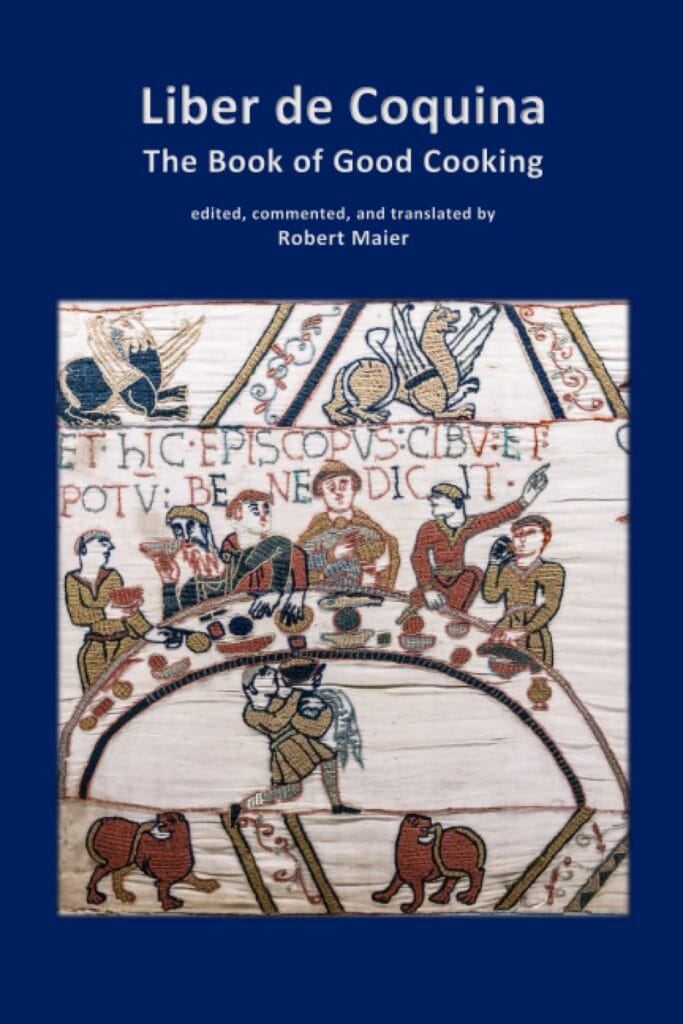
The Llibre de Sent Soví, written in Catalonia around 1324, describes similar dishes: humble preparations of legumes, greens, and grains that could sustain both body and spirit. It shows how common ingredients like chickpeas and leeks spread across the Mediterranean basin, adapting to local conditions and tastes. For the average laborer, this kind of stew represented balance — protein from legumes, energy from barley or bread, and flavor from olive oil and herbs.
Cooking in the Peasant Tradition
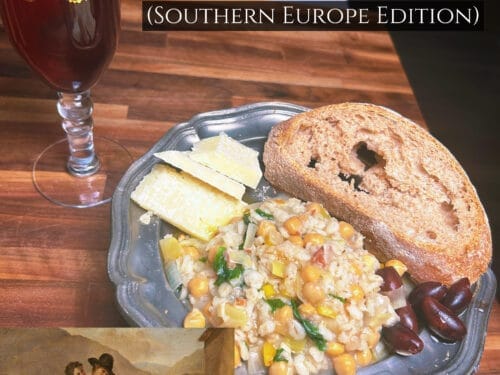
To recreate this meal, I started with onions, carrots, and leeks — vegetables mentioned frequently in monastic and peasant accounts from Provence and Tuscany. I sautéed them slowly in olive oil, one of the most precious ingredients of the region. For a touch of richness, I added diced pancetta, which would have been a rare but plausible luxury for a rural family with access to pigs. Even a small amount of cured meat could transform a pot of vegetables into something deeply satisfying.
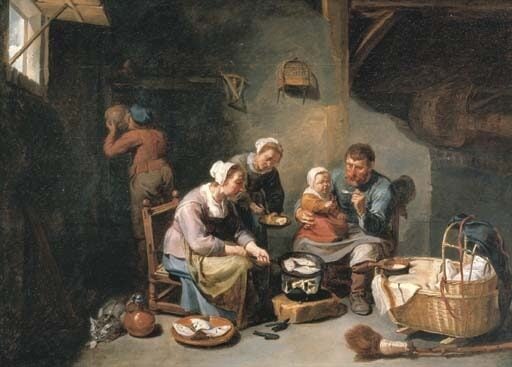
Once the aromatics had softened, I stirred in soaked chickpeas and a generous scoop of pearled barley. Together, they create a texture that’s hearty and comforting — a cross between soup and stew. Medieval households relied heavily on these ingredients because they could be stored through winter and replenished easily after harvest. As the mixture simmered, the chickpeas thickened the broth while the barley released its starch, giving the dish a creamy, rustic consistency.
The Bread and Table of the Peasant
No meal in the medieval Mediterranean was complete without bread. I served this stew with a rustic durum sourdough, the kind of loaf common in southern Italy and Sicily. Unlike the dark rye breads of northern Europe, durum flour produced a golden, slightly sweet bread with a firm crust. Peasants baked loaves like these in communal ovens, sometimes once a week, and rationed them carefully until the next baking day. Each bite soaked up the olive oil and broth from the stew, turning simple ingredients into something deeply satisfying.
On the side, I added a few olives and hard cheese, most likely Pecorino or Parmesan. Cheese was one of the few animal products widely accessible to the peasantry, made from the milk of sheep or goats that grazed on rocky hillsides. Olives, meanwhile, symbolized the essence of Mediterranean life — they provided oil, food, and even light. Just a handful could transform a humble meal into something special.
The Peasant’s Wine
For the drink, I made posca, a mixture of vinegar, water, and herbs that dates back to Roman times and survived well into the Middle Ages. It was the everyday beverage of farmers, soldiers, and laborers — a way to make sour or spoiled wine drinkable again.
Posca was practical, hydrating, and symbolically tied to the region’s long-standing relationship with the vine. A simple sip of watered wine connected the medieval peasant to a thousand years of history stretching from Greece to Gaul.
A Life of Scarcity and Ingenuity
Despite its modest ingredients, this dish captures the heart of medieval Mediterranean life. It reflects a world where scarcity forced creativity, and where each household made do with what their small plots could yield. Chickpeas and barley offered sustenance through long days of labor. Olive oil, rare and valuable, added both flavor and nourishment. And even though luxury was out of reach, the peasants of the Mediterranean understood how to turn simplicity into balance.
Their meals were not extravagant, but they were wise. Every pot of stew told a story — of soil, season, and survival. It was food meant to endure, to stretch through hunger, and to bring comfort at the end of a hard day’s work.
Recipe: Chickpea and Barley Stew (c. 13th–15th Century)
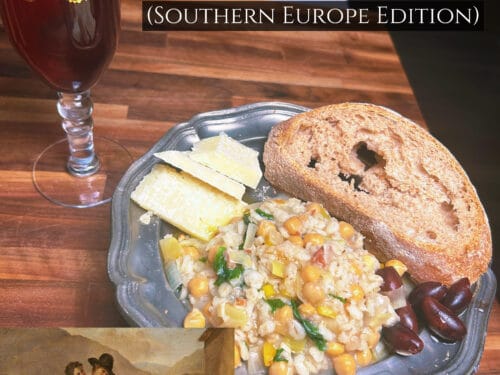
“Ceci e Verdure” – Chickpea and Barley Stew (c. 13th–15th Century)

Don’t lose this one.
I’ll email it to you so it’s waiting when you’re ready to cook.
Ingredients
Instructions
Notes
- Historical accuracy: Olive oil and legumes were staples of southern European diets, though meat would have been rare — substitute extra olive oil for a fully peasant-accurate version.
- Bread pairing: Use a coarse, sour loaf or flatbread made from durum or whole wheat flour.
- Modern touch: Add a squeeze of lemon or fresh herbs when serving to echo the bright flavors of the Mediterranean fields.