There are dishes we eat, and then there are dishes that tell a story. Kuku Sabzi is one of those rare recipes that does both. At first glance, it looks like a simple green frittata packed with herbs, but when you dig into its history, you find a dish layered with symbolism, ritual, and tradition. It’s the kind of meal that has followed generations through time, carrying with it the hopes of spring, the soul of Persian cooking, and the warmth of family kitchens.
Every year during Nowruz, the Persian New Year, Kuku Sabzi makes its way to the table like clockwork. It’s one of those foods that isn’t just eaten but anticipated, remembered, and shared. The deep green of the herbs symbolizes rebirth, and the act of preparing it is a quiet ceremony all its own. It’s food with meaning, and in every bite, you can feel the weight of history and the joy of renewal.
Ancient Origins and Zoroastrian Lore
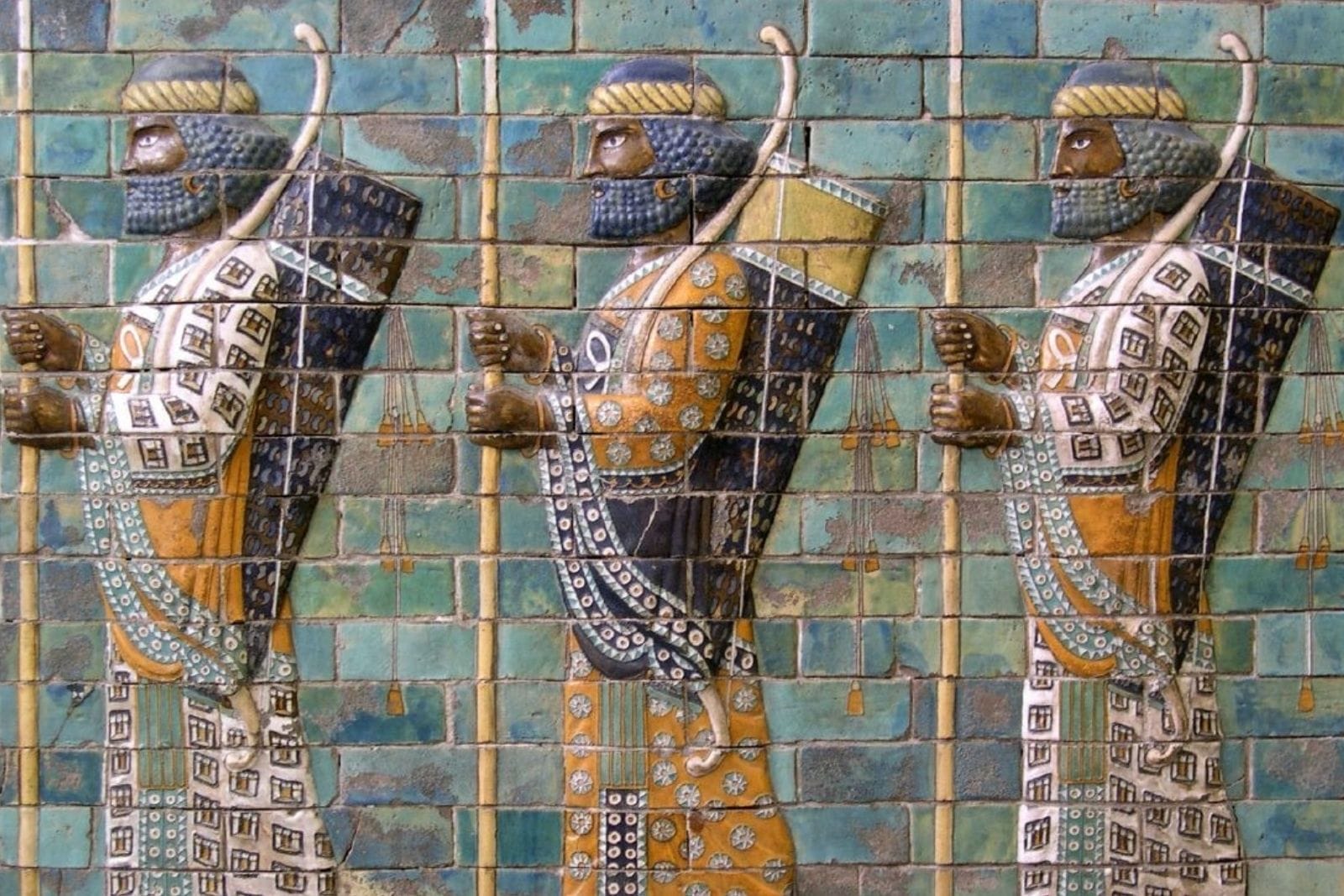
Long before Kuku Sabzi was served in modern Iranian homes, its ingredients and purpose were rooted in the rhythms of ancient Persia. During the Zoroastrian era, people didn’t just mark time with calendars, they observed the changes of the earth. Nowruz, celebrated on the spring equinox, was more than a holiday. It was a sacred recognition of balance returning to the world by light overtaking darkness, warmth melting cold.
To honor this shift, they ate foods that were filled with life. Herbs like parsley, cilantro, and dill weren’t just ingredients but symbols. Green represented health and vitality. Eggs were fertility incarnate. These ingredients came together into a meal that wasn’t just nourishing, it was almost spiritual. Families believed that the greener and more herb-filled your Kuku Sabzi was, the more luck and prosperity the new year would bring. And so, the tradition began of not just cooking a dish, but of welcoming a season and its blessings into your home.
Next week
I cook these before I write them. Some of it never makes the post.
The failures, the source documents, the version that actually tasted good. That part goes out by email, and next week’s is already on the stove.
 Written and cooked by Donnie
Kuku in Persian Culinary History
Kuku as a category of Persian food goes way back. The earliest records of Persian cookery don’t call out Kuku Sabzi by name, but they definitely describe egg-and-herb dishes that would feel very familiar. In cookbooks like the Kār-nāmeh dar bāb-e tabbākhī, written in the 13th century, we see the foundation of what would eventually evolve into Kuku Sabzi. By the time the Safavid court was in full swing a few centuries later, these recipes had become more elaborate and refined, especially in royal kitchens.
But what’s beautiful about Kuku Sabzi is that it never lost its connection to everyday life. While the courts might have added rose petals or a pinch of saffron, the basic dish stayed true to its roots. It remained a food of the people—humble, hearty, and celebratory. It was never just a showpiece; it was a dish you could make in a simple pan on a weeknight, or bring out to honor the beginning of a new year.
A Dish of Endurance and Everyday Nourishment
Kuku Sabzi has stuck around not just because of its symbolism, but because it’s deeply good. The flavor is herbaceous, earthy, and comforting. The texture is soft in the middle with a lightly crisped edge. It’s the kind of food that feels good to eat, especially when served with tangy yogurt or tart pickled vegetables. And while it’s steeped in tradition, it’s not frozen in time. Today, people tweak it, adding cranberries for a sweet bite, or walnuts for crunch, or baking it entirely in the oven instead of the skillet. That’s what makes it timeless. It changes just enough to stay relevant, without losing its soul.
In my own kitchen, it’s become a go-to not just for Nowruz, but for those evenings when I want to eat something meaningful without spending hours at the stove. It’s a dish you can pull together with a pile of herbs and a few eggs, but once it hits the table, it feels like more than the sum of its parts.
Kuku Sabzi and the Nowruz Table
During Nowruz, there’s a certain feeling in the air—like the year is stretching awake, shaking off winter. The table reflects that energy. You’ll find sabzi polo with white fish, sweet pastries like baklava and nan-e nokhodchi, and of course, Kuku Sabzi. It’s not just served but honored. Sometimes it sits right on the Haft-Seen table, a symbolic arrangement of seven items that each begin with the letter ‘S’ in Persian and represent different hopes for the new year. While Kuku Sabzi isn’t one of the seven, its presence there speaks volumes.
It’s a nod to our ancestors, a taste of memory, and a promise of continuity. Whether you’re in Tehran or Toronto, baking Kuku Sabzi during Nowruz connects you to something greater. It’s a reminder that spring always comes, that life renews, and that some foods will always carry the weight of tradition with the lightness of fresh herbs.
If you’re enjoying my work, check out Eats History Shop!
Traditional Kuku Sabzi Recipe:
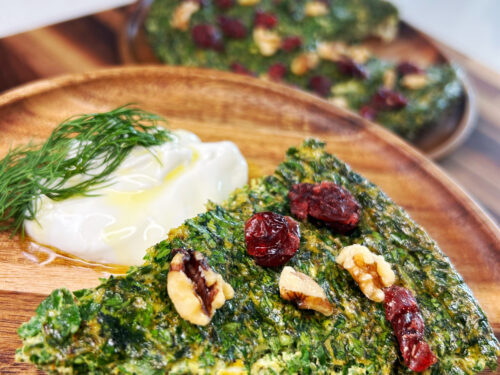
Kuku Sabzi

Don’t lose this one.
I’ll email it to you so it’s waiting when you’re ready to cook.
Ingredients
Instructions

Notes
- Freshness is Everything:
- The vibrant flavor and signature green color of Kuku Sabzi comes from using fresh, not dried, herbs. Don’t skimp here. Aim for bright parsley, fragrant cilantro, delicate dill, and snappy scallions. If prepping ahead, wash and dry the herbs the day before and store them in a towel-lined container to avoid wilting. A food processor makes the chopping faster, but avoid over-blending into a paste—this dish thrives on texture.
- Eggs Are the Binder, Not the Star:
- Unlike an omelet or Western frittata, Kuku Sabzi uses eggs sparingly—just enough to hold the herbs together. The result should be a deeply green, herb-forward dish with a lightly set structure, not an eggy cake. If your batter feels too runny, add one more handful of herbs or a spoonful of flour to tighten it up without throwing off the delicate balance.
- Don’t Skip the Crust:
- One of the most satisfying elements of a well-made kuku is the crisp, golden crust that forms on the bottom (and top, if flipped or broiled). To get it right, preheat your pan well and let the kuku cook undisturbed for at least 10–12 minutes. Use a lid to steam the center through, and don’t flip too soon. For an even finish, some home cooks bake the whole dish in the oven or use a broiler to crisp the top.