Whenever I make a bowl of congee, I feel like I am not just cooking a meal but taking part in a story that stretches back thousands of years. It is one of the simplest recipes you can imagine. Rice and water slowly simmer until the grains surrender their shape and melt into a thick porridge.
It is warm, plain, and filling. At first glance, it might not look like much, but this humble dish has carried entire civilizations through times of prosperity and times of famine. It is a food that connects the past and the present, and when you hold a bowl of it in your hands you are holding one of humanity’s oldest comforts.
If you’re enjoying my recipes, check out Eats History shop for my latest e-cookbooks!
The Origins of Congee
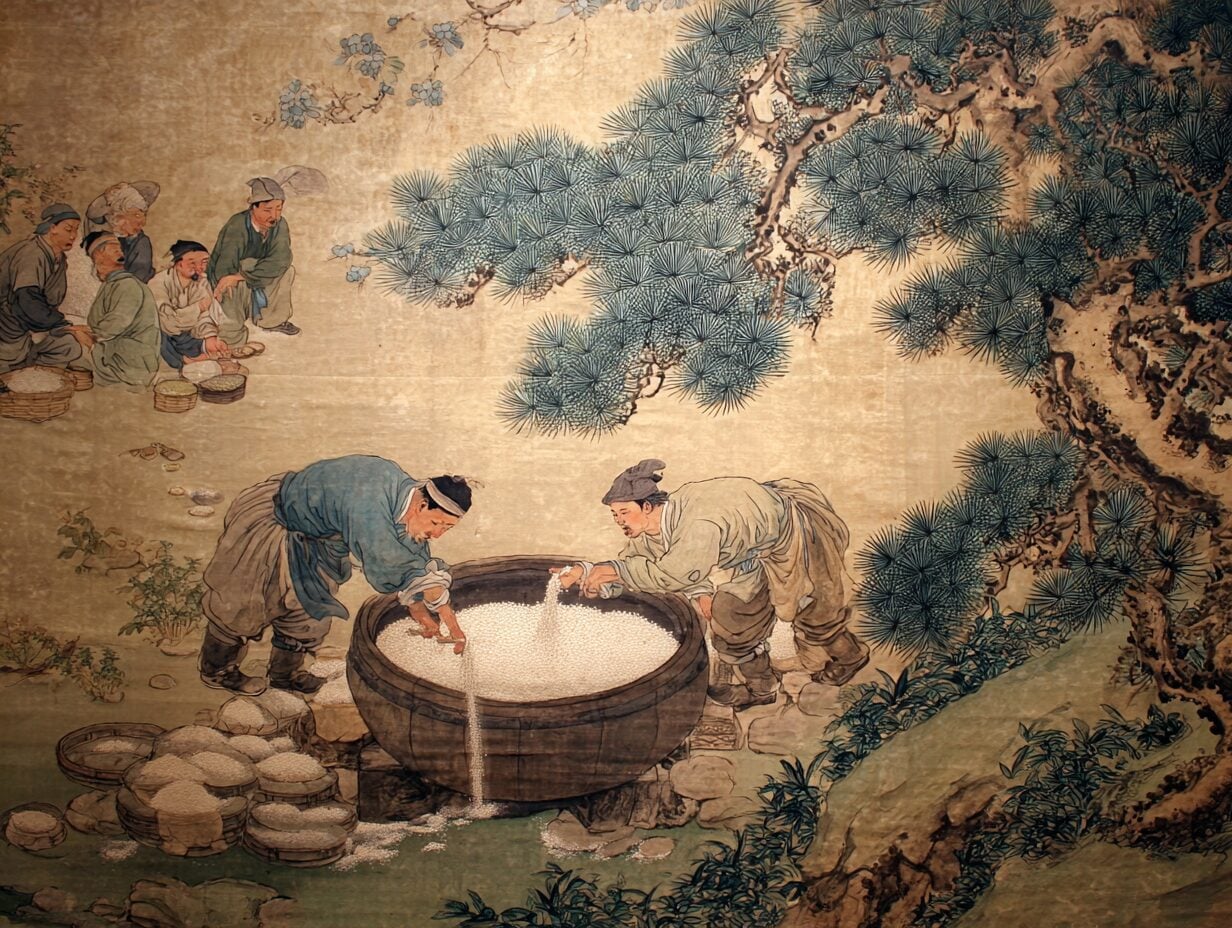
The roots of congee go back as far as rice itself. Archaeologists have uncovered evidence of rice cultivation in the Yangtze River Valley in China dating to around 7000–6000 BCE. At sites like Hemudu and Pengtoushan, charred rice grains and residues on pottery reveal that ancient people were not simply eating rice raw or roasted, but boiling it into soft gruels. This was probably the most natural way to eat rice in its earliest form. Throw it into a pot with water, cook it down, and you had something that was both filling and easy to digest.
Next week
I cook these before I write them. Some of it never makes the post.
The failures, the source documents, the version that actually tasted good. That part goes out by email, and next week’s is already on the stove.
 Written and cooked by Donnie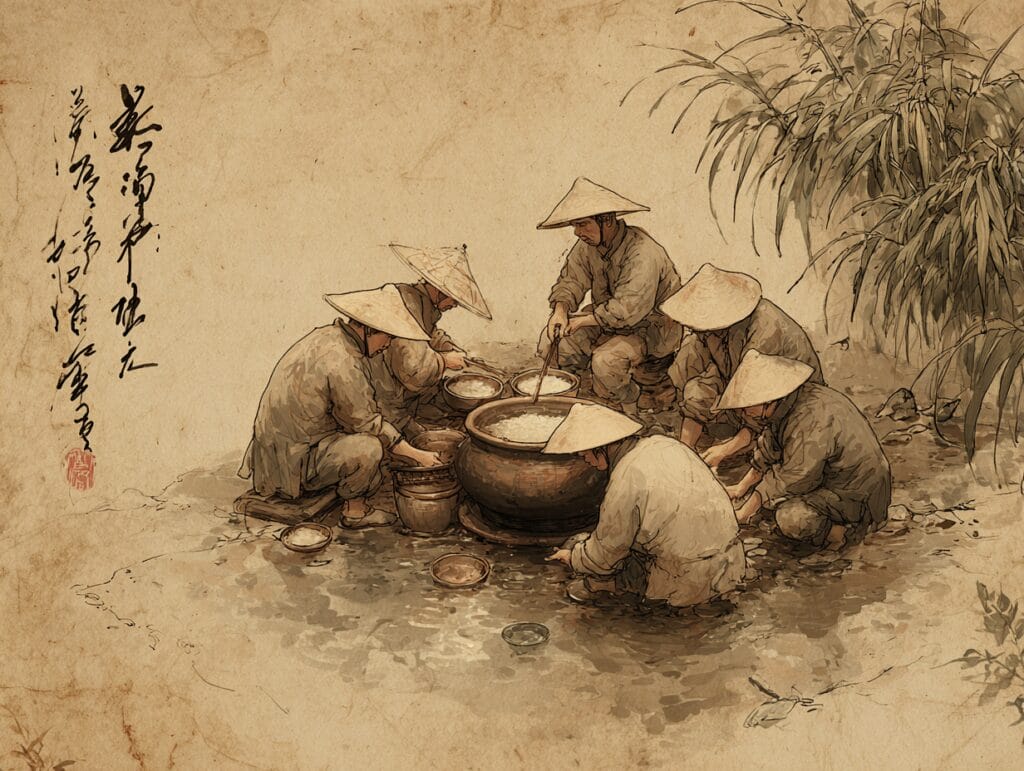
By the Zhou Dynasty (1046–256 BCE), we see congee mentioned in writing. The Book of Rites (Lǐjì) describes zhōu, rice porridge, as part of everyday life. It was especially recommended for the elderly and the sick, which shows how early the Chinese recognized its nourishing qualities. What began as a survival food became tied to culture, ritual, and the rhythms of daily living.
Medicine and Daily Life
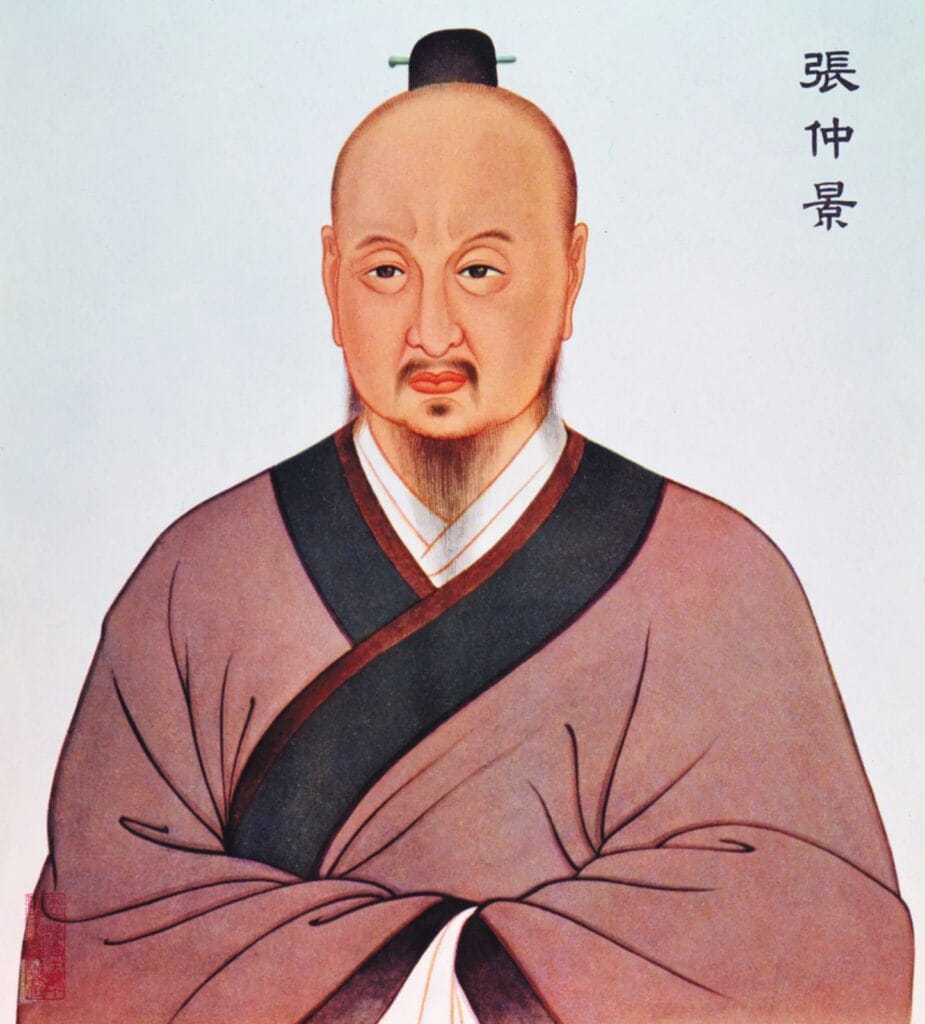
Congee’s place in Chinese history goes beyond the dining table. During the Han Dynasty (206 BCE–220 CE), it was considered medicine as much as food. The physician Zhang Zhongjing, known as the “Chinese Hippocrates,” included rice porridge in his medical classic Treatise on Cold Damage. He recommended it to restore strength, warm the stomach, and help patients recover from illness. For families at the time, this was not a recipe you only ate when hungry but one you turned to when life demanded healing.
Buddhist monks also embraced congee, giving it a spiritual role. By the Tang Dynasty (618–907 CE), congee was a charitable dish in temples, shared with the poor and pilgrims. It was a bowl that symbolized compassion and care. Later, during the Song Dynasty (960–1279 CE), a special version known as Laba congee became a festival tradition. This version mixed rice with beans, dried fruits, and nuts to create a sweet, hearty porridge eaten on the Laba Festival, a day tied to Buddhist practice. That dish is still enjoyed in China today, showing just how deep these culinary roots go.
Congee Across Asia
The story of congee does not stop in China. The idea of boiling rice into porridge spread across Asia, adapting to the local flavors and traditions of each region. In Japan, it became okayu, often eaten by people recovering from illness. In Korea, it transformed into juk, which can range from plain rice gruel to elaborate versions with abalone or chicken. In Vietnam, it is cháo, served with herbs, fish sauce, and sometimes blood pudding. In the Philippines, lugaw is flavored with ginger and garlic and often topped with chicken or pork.
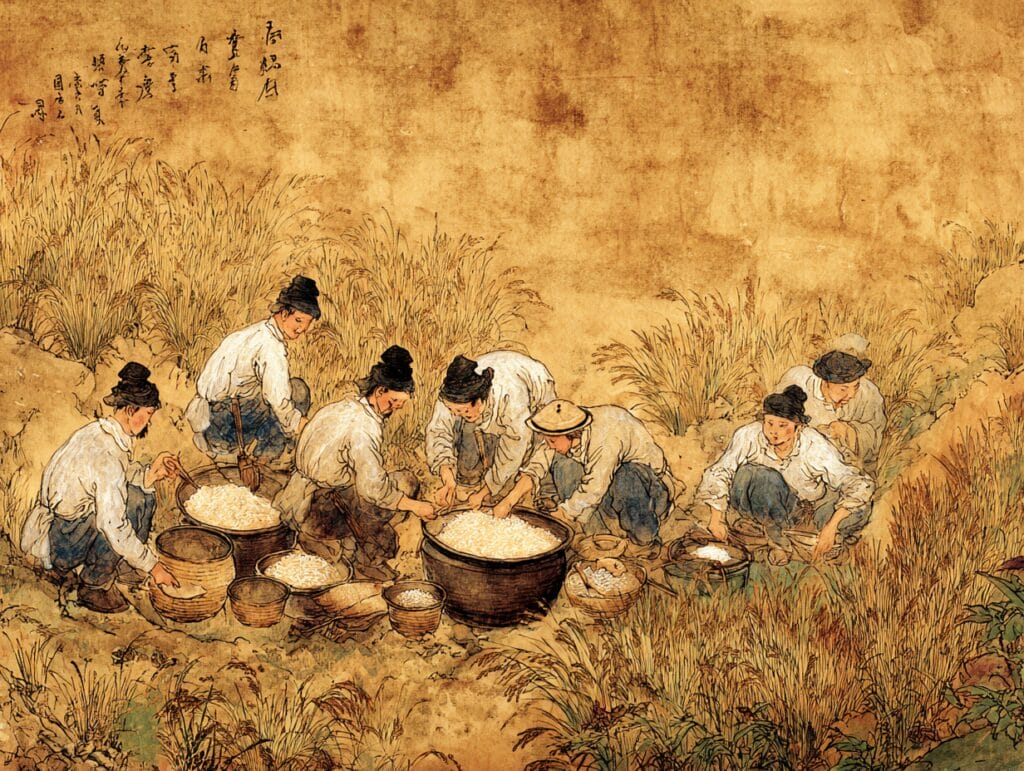
What unites all these versions is the foundation: soft, simmered rice. What makes them unique is how each culture made it its own, layering spices, toppings, and customs onto the same simple base. Congee shows us how one humble idea can spread across continents and yet remain recognizable wherever you find it.
A Timeless Comfort Food
Even today, congee is more than food. It is often the first solid food fed to babies. It is what you make when you are sick and need comfort. It is what gets served in the morning before the day begins. It is both ordinary and extraordinary. For the poor, it was a way to stretch rice and make it last. For the wealthy, it could be dressed up with expensive meats and exotic ingredients. The adaptability of congee is exactly why it has lasted so long.
When I make congee, I like to imagine those first Neolithic farmers, thousands of years ago, standing over clay pots as rice bubbled into gruel. The ingredients have not changed much since then. The meaning has not changed either. Congee is food for strength, food for healing, food for life. It is not the flashiest recipe in the world, but it is one of the most enduring.
My Rating
I’ll be honest. Congee is not my favorite thing in the world. It is plain, almost too plain at times, especially if you eat it without toppings. But there is something special about the history in the bowl, and when I drizzle in soy sauce, sprinkle salt, and add fresh green onions, I can appreciate the quiet comfort it gives. For me, this dish lands at a 6.3 out of 10. Not because it is bad, but because it is simple. And maybe that is exactly the point.
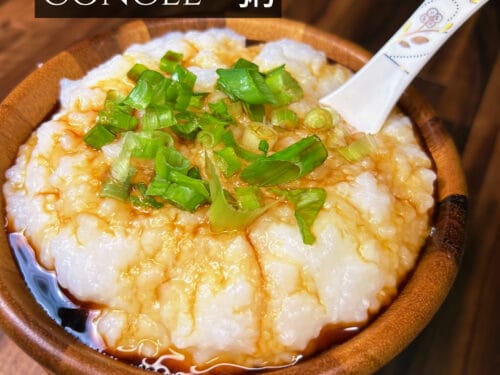
Tradtional Congee Recipe

Don’t lose this one.
I’ll email it to you so it’s waiting when you’re ready to cook.
Ingredients
Instructions
Notes
- Consistency Control – Add more water or broth while cooking if you prefer a thinner porridge, or simmer longer for a thicker, stick-to-your-spoon texture.
- Toppings Matter – Congee is intentionally plain; the real flavor comes from what you add on top. Salt, soy sauce, scallions, chili oil, or even leftover meats make it customizable to your taste.
- Cook Once, Eat Twice – Congee reheats beautifully and often tastes even better the next day as the rice continues to soften. Store in the fridge and add a splash of water when warming to bring it back to the right consistency.