Every autumn, as marigolds bloom and candles flicker across Mexico, families gather to bake Pan de Muerto, or Bread of the Dead. Its soft, sweet aroma of orange blossom and anise fills homes and bakeries, marking the arrival of Día de los Muertos: the Day of the Dead.
To the uninitiated, it might look like a festive pastry made for Halloween, but this bread carries centuries of spiritual meaning. Each loaf represents a connection between the living and the dead, a reminder that death is not an end but a continuation of love and memory.
All of my e-books are currently 40% Off!
Ancient Roots and Spanish Influence
Long before the Spanish set foot in the Americas, the Indigenous peoples of Mexico — including the Aztecs, Mixtecs, and Zapotecs — celebrated their ancestors through elaborate ceremonies honoring Mictecacihuatl, the goddess of death. Offerings of food, flowers, and small dough figurines were made to sustain the spirits in the afterlife. These early rituals weren’t mournful but celebratory, filled with song, dance, and offerings meant to keep the connection between generations alive.
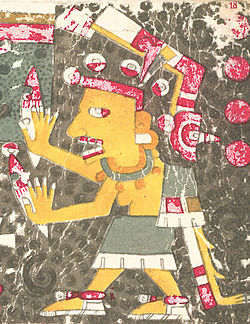
When the Spanish arrived in the 16th century, they were both horrified and fascinated by these rituals. They replaced Indigenous offerings made of amaranth dough mixed with human blood with Christian symbols. Wheat flour was introduced, and the friars encouraged Indigenous converts to make breads shaped like skulls and bones. What emerged was a new hybrid tradition — one that preserved the heart of the Indigenous worldview while blending it with Catholic beliefs about resurrection and eternal life.
Symbolism Baked Into Every Loaf
Pan de Muerto isn’t just bread; it’s a symbol. The round loaf represents the circle of life, while the dough “bones” laid across the top signify the deceased. The small knob in the center often stands for the heart or the skull, depending on the region. Dusting the bread with sugar or sesame seeds represents the sweetness of life and the nourishment of the soul. The use of orange blossom water — a later Spanish addition — adds fragrance, symbolizing purity and the ethereal presence of the departed.
Every region in Mexico makes its Pan de Muerto differently. In Puebla, it’s sometimes coated in sesame seeds; in Oaxaca, it can be flavored with chocolate or decorated with faces; in Michoacán, the bread is shaped into people or animals. No matter the variation, the intention remains the same — to feed the souls that return home on the Day of the Dead.
Día de los Muertos: More Than “Mexican Halloween”
To call Día de los Muertos a “Mexican Halloween” misses the point entirely. This holiday, celebrated on November 1st and 2nd, is about remembrance and gratitude, not fear. Families build altars, known as ofrendas, adorned with candles, flowers, photographs, incense, and food — including Pan de Muerto. They believe that during these two days, the spirits of their loved ones return from the afterlife to visit, nourished by the offerings left for them.
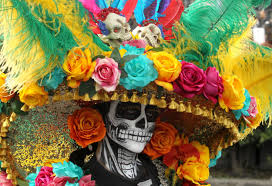
While Halloween centers around tricks, costumes, and spooky fun, Día de los Muertos focuses on love and continuity. It is joyful rather than frightening, filled with music, laughter, and shared meals. Cemeteries become places of celebration, where families gather by candlelight to tell stories, sing songs, and honor those who came before them.
Colonial Bakeries and the Rise of a Tradition
By the 17th century, convent bakeries in colonial Mexico were refining the recipe for Pan de Muerto. Nuns combined Indigenous symbolism with European baking methods, adding butter, sugar, and eggs to create a rich, brioche-like texture. Orange zest and anise seeds became hallmark ingredients, adding the fragrant sweetness that still defines the bread today. By the 19th century, Pan de Muerto had become a household staple across Mexico, its presence on the altar as essential as candles or marigolds.
As bakeries grew in towns and cities, the bread took on new artistic forms. Skilled bakers shaped skulls, bones, and crosses, turning simple loaves into edible art. The tradition spread beyond its religious roots and became a unifying national symbol — a piece of culinary heritage that connected generations of Mexicans through taste and ritual.
The Modern Celebration
Today, Pan de Muerto is enjoyed from mid-October through early November. Bakeries across Mexico — and now in Mexican communities around the world — display mountains of golden loaves dusted with sugar. Families bake their own versions at home, often passing down recipes through generations. It’s eaten with café de olla, a cinnamon-spiced coffee, or champurrado, a thick chocolate drink that warms the body and the spirit.
While Pan de Muerto is sweet and comforting, it carries a depth that transcends food. It represents the belief that love endures beyond death, that the departed are never gone as long as they are remembered. When families break the bread together, they are sharing more than a meal — they are sharing memory.
Recipe: Pan de Muerto (Bread of the Dead)
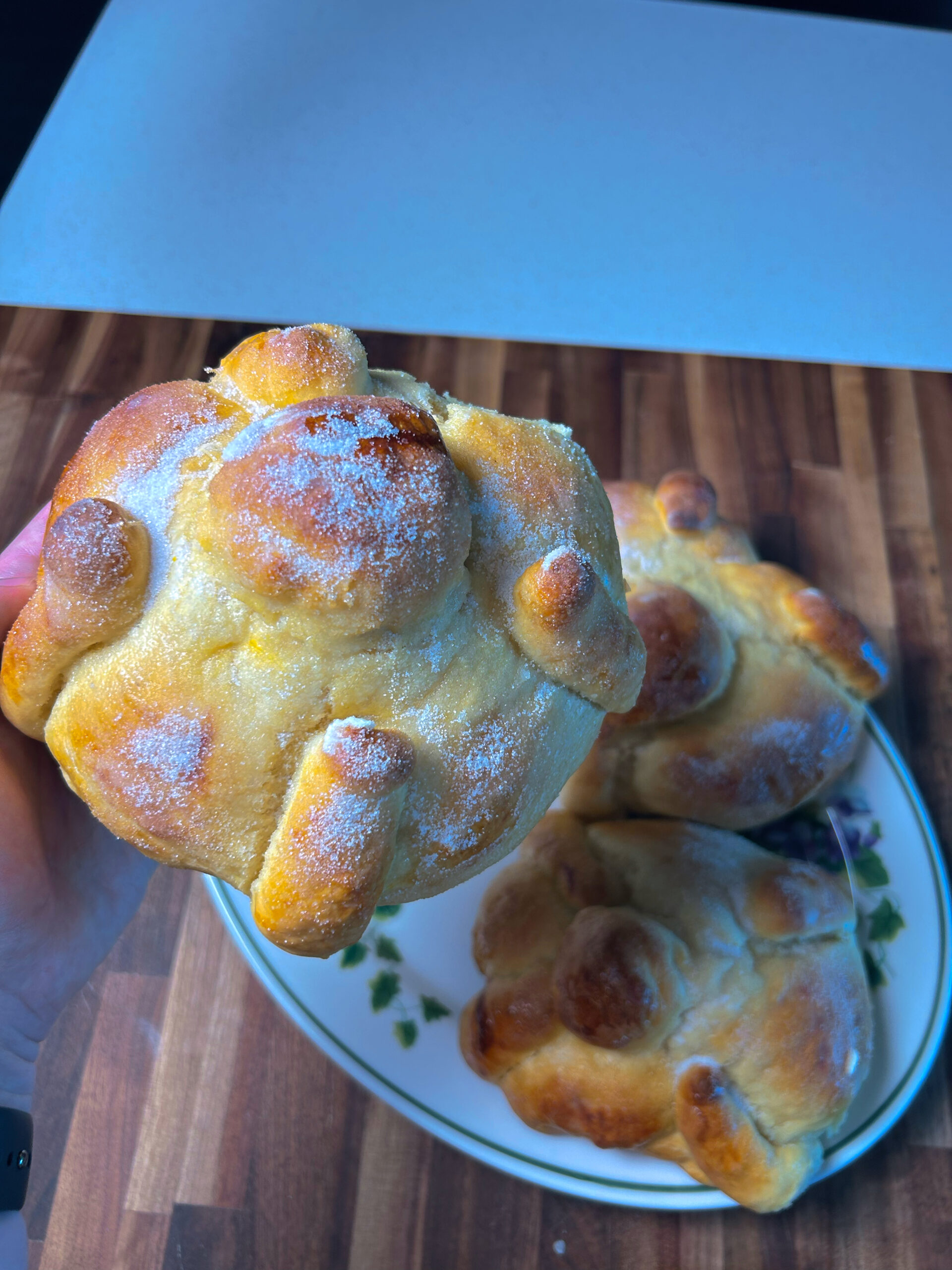
Pan de Muerto (Bread of the Dead)
Ingredients
For the Dough:
- 3 cups 375 g all-purpose flour
- ½ cup 100 g granulated sugar
- 2¼ tsp 1 packet active dry yeast
- ½ tsp salt
- ½ cup 120 ml warm milk (about 100°F / 38°C)
- 2 large eggs
- 1 egg yolk reserve the white for brushing
- ½ cup 115 g unsalted butter, softened
- 1½ tsp orange blossom water or zest of 1 orange
- ½ tsp ground anise seed optional but traditional
For the Glaze and Topping:
- 1 egg white lightly beaten
- 2 tbsp melted butter
- ¼ cup granulated sugar
Instructions
- Activate the Yeast: Combine warm milk, 1 tablespoon sugar, and yeast. Let sit 10 minutes until foamy.
- Make the Dough: Mix flour, remaining sugar, salt, anise, and orange zest or blossom water. Add the yeast mixture, eggs, yolk, and butter. Stir until combined.
- Knead the Dough: Knead for 10 minutes on a floured surface until smooth and elastic.
- First Rise: Place in a lightly oiled bowl, cover, and let rise in a warm place for 1½ hours.
- Shape the Loaves: Divide dough; form one large round loaf and smaller “bones” of dough. Arrange bones across the loaf and add a small dough ball in the center.
- Second Rise: Let rise another 30–45 minutes. Preheat oven to 350°F (175°C).
- Bake: Brush with egg white and bake for 25–30 minutes until golden brown.
- Finish and Glaze: Brush with melted butter and sprinkle generously with sugar while warm.
Video
Notes
These two ingredients define the bread’s traditional flavor. If orange blossom water isn’t available, the zest of one fresh orange makes a perfect substitute. Anise adds an old-world sweetness reminiscent of the colonial convent kitchens that first refined this bread. 2. Perfect Dough Texture:
Pan de Muerto dough should feel soft and slightly sticky before kneading. The secret to its tender crumb is patience—knead thoroughly for elasticity and allow both rises to complete fully. This gives the bread its signature airy texture and rich aroma. 3. Sweet Symbolism:
Each element has meaning: the round loaf symbolizes the circle of life, the dough “bones” represent the departed, and the sugar crust reflects the sweetness of memory. Share this bread with family and friends, ideally alongside champurrado or café de olla, to honor both flavor and tradition.