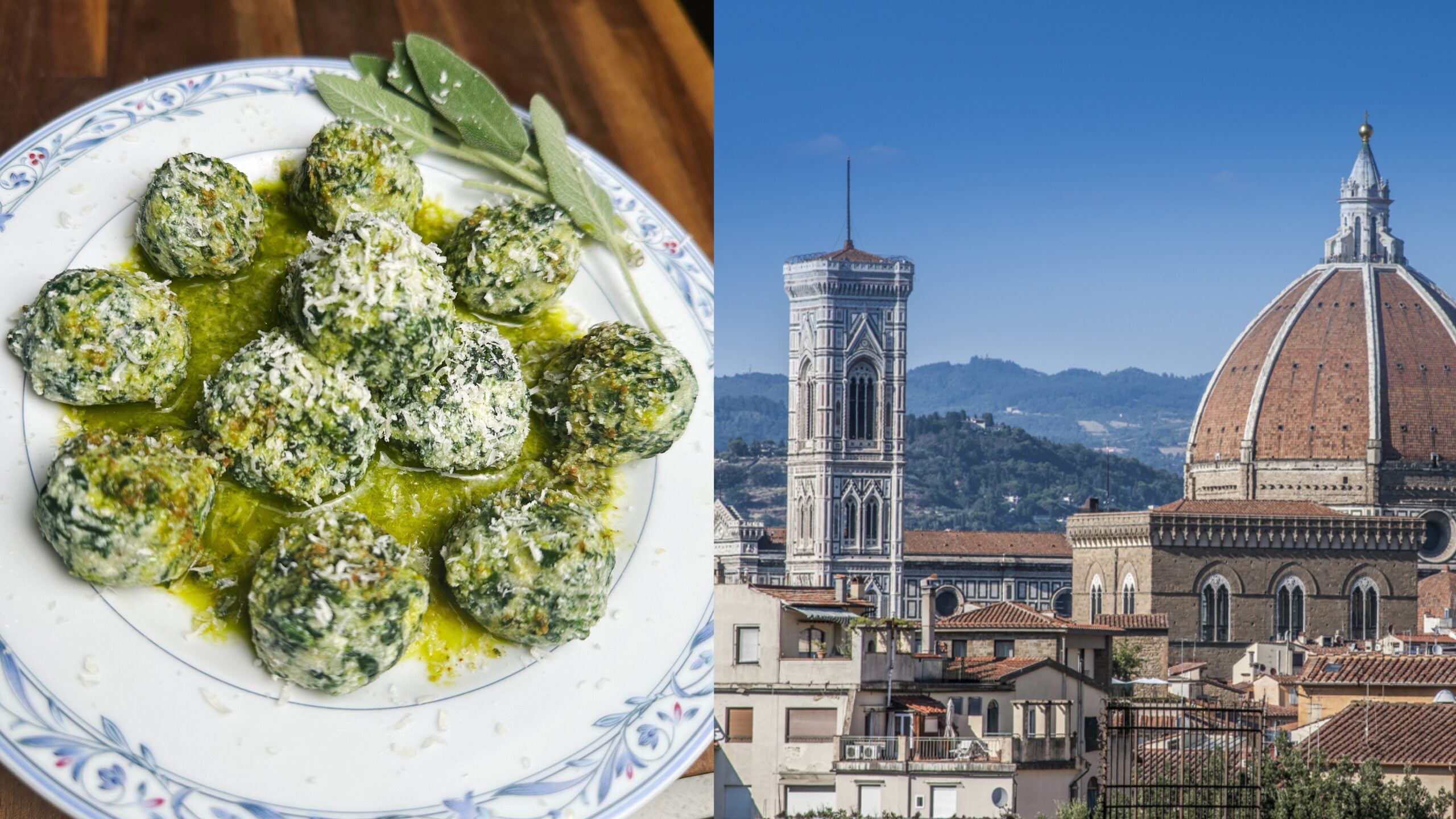
There are moments in food travel that rearrange something in your understanding of a cuisine. For me, one of those moments happened in Florence on an Eating Europe Food Tour, standing in a kitchen watching gnudi being made from scratch by someone who had been making them their entire life. No recipe card. No measurements. Just ricotta, spinach, and hands that knew exactly what the mixture was supposed to feel like. The gnudi that came out of that pot were unlike anything I had eaten before, and I have been thinking about them ever since.
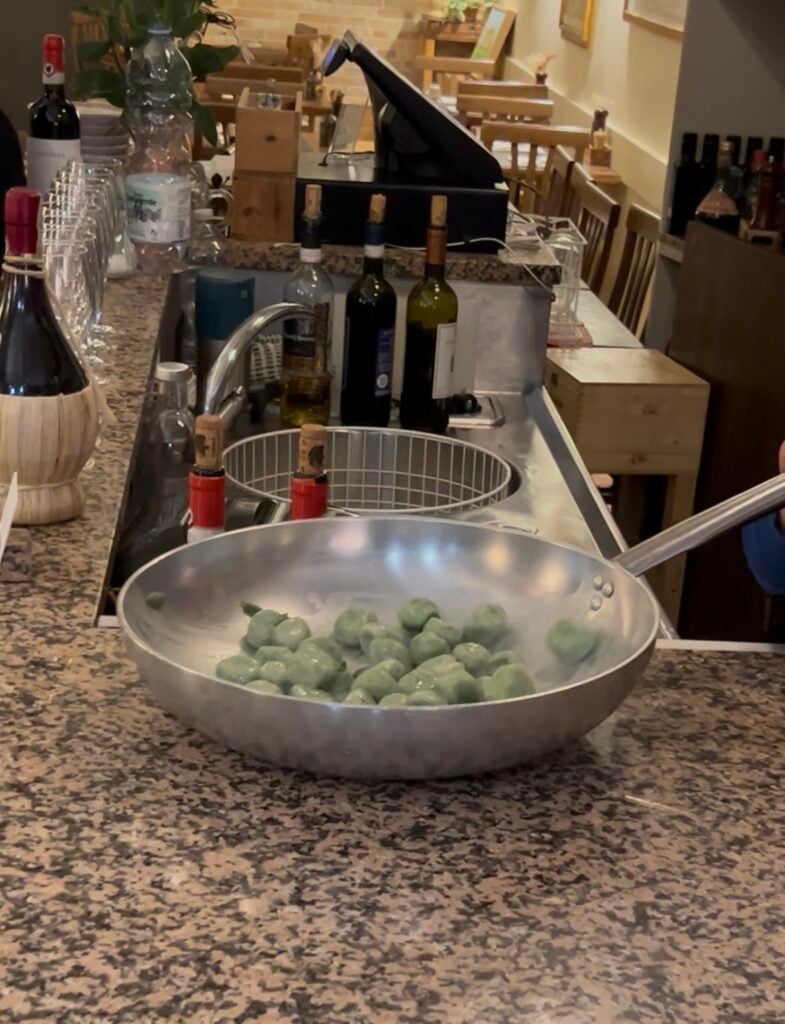
Eating Europe runs one of the best food tours in Florence, and if you have ever wanted to understand what Florentine cooking actually is beneath the tourist menus, their tour is the place to start. The experience of watching gnudi made in front of me, in the city where the dish has been made for centuries, is directly responsible for this blog post. If you are planning a trip to Florence, go do their tour. You will not regret it.
Visiting Europe soon? Sign up for a tour here:
Eating Europe Food Tour Sign-Ups
Next week
I cook these before I write them. Some of it never makes the post.
The failures, the source documents, the version that actually tasted good. That part goes out by email, and next week’s is already on the stove.
 Written and cooked by Donnie
This post is my attempt to recreate that dish at home, understand where it actually comes from, and do justice to one of the most deceptively simple recipes in Italian cooking.
What Is Gnudi?
Gnudi is Tuscan dialect for naked. The dish is essentially the filling of a ravioli, ricotta and spinach, cooked without its pasta shell. You are eating the heart of the dumpling with nothing surrounding it. As the name suggests, it is ravioli stripped bare.
In Siena and parts of southern Tuscany the same dish is called malfatti, meaning badly made, a reference to their deliberately irregular handmade shape. Same dish, different name, depending on which Tuscan family you learned it from. The variation is part of the tradition.
The origin story told in Tuscan kitchens is that a cook had leftover ravioli filling and rather than make more pasta to encase it, simply boiled the filling as it was. Whether that is literally true or just the folk explanation for the dish’s logic, it captures something accurate about the philosophy behind it. Gnudi is peasant cooking at its most honest: take what you have, waste nothing, make something better than the sum of its parts.
The History: Tuscany’s Cucina Povera Tradition
Gnudi belongs to the cucina povera tradition of Tuscany, the cooking of the poor, which is arguably the greatest cooking tradition in Italy and possibly the world. The same philosophy that produced ribollita, the bread soup made from day-old bread and leftover vegetables, and panzanella, the salad made from stale bread, also produced gnudi. In Tuscany, the best food came from necessity and nothing going to waste.
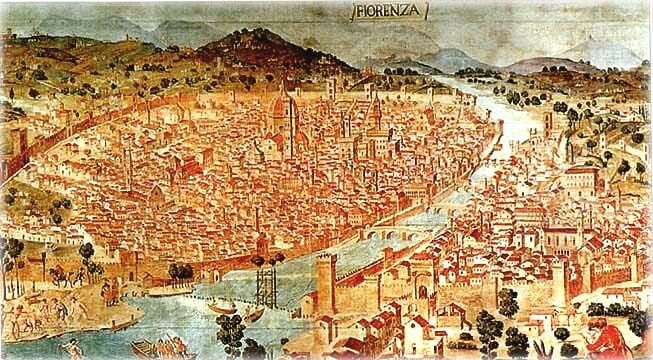
The family of dishes that gnudi belongs to goes back to Renaissance Italy. Bartolomeo Scappi, the papal chef to Pope Pius V, recorded a recipe in his landmark 1570 cookbook L’Opera for dumplings made from flour and breadcrumbs mixed with water, which food historians trace as a direct ancestor of malfatti and gnudi. Scappi’s L’Opera is the most comprehensive Renaissance-era Italian cookbook in existence and is held at major libraries, including the British Library. It does not contain the ricotta and spinach version you are making today, but it documents the dumpling tradition from which gnudi directly descended.
The ricotta and spinach version, as it exists today, was passed down orally through Tuscan farmhouse kitchens rather than written down by named chefs. The professional kitchen had its Scappi. The farmhouse kitchen had Nonna. By the 19th century gnudi was firmly established as a Florentine staple. Pellegrino Artusi, the wealthy Florentine businessman who published La Scienza in Cucina e l’Arte di Mangiar Bene (Science in the Kitchen and the Art of Eating Well) in 1891 and is regarded as the father of modern Italian cuisine, documented the ricotta-based dumpling tradition of Florence and Tuscany extensively. His book, the first serious codification of what ordinary Florentines actually cooked at home, is available in English translation and is worth reading for anyone serious about Italian food history.
The most rigorous modern documentation of the authentic Florentine gnudi recipe comes from Emiko Davies in Florentine: The True Cuisine of Florence (Hardie Grant, 2016), a book written by a food writer who spent years cooking with Florentine home cooks in the city itself. Her work is the most reliable modern source for what traditional gnudi actually is and how it differs from the anglicised versions that have proliferated online.
My Recreation and Rating
I made these twice before I was happy with them. The first attempt used supermarket ricotta and the gnudi partially dissolved in the water, which is the exact failure mode that Emiko Davies warns about in Florentine. The second attempt used properly drained deli-counter ricotta and the difference was dramatic.
The finished gnudi are unlike anything else. They are lighter than gnocchi, softer than pasta, and the butter and sage sauce clings to them in a way that feels almost impossible given how delicate they are. The Parmigiano brings just enough sharpness to cut through the richness of the butter. Eaten immediately, straight from the pan, they are one of the best things I have made for this channel.
Rating: 9.4 out of 10. The only reason they do not score higher is that they require patience and the right ricotta, and they must be eaten the moment they are sauced or they lose something. But when they are right, they are extraordinary. This is the dish that changed how I think about Italian cooking, and I have Florence and Eating Europe to thank for introducing me to it.
The Recipe: Traditional Florentine Gnudi with Butter and Sage
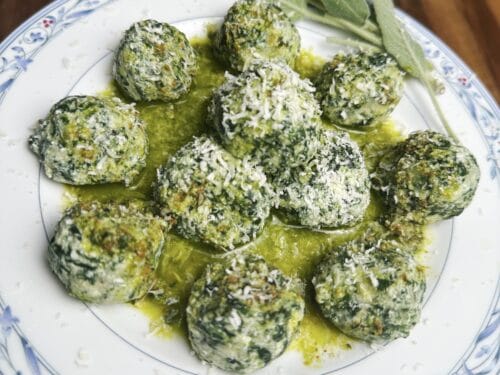
Gnudi – “Naked Pasta”

Don’t lose this one.
I’ll email it to you so it’s waiting when you’re ready to cook.
Ingredients
Instructions
Notes
- Use deli-counter ricotta, not supermarket tub ricotta. The kind sold by weight that stands on its own and can be cut into a wedge is what you need. Supermarket ricotta is too wet and full of stabilisers and will cause the gnudi to dissolve in the water before they ever reach the plate.
- Drain it overnight in a sieve lined with cheesecloth if you have the time. Squeeze the spinach harder than you think necessary, then squeeze it again. Any water left in the spinach will destroy the gnudi in the pot. This is the step most people underestimate and the most common reason gnudi fall apart. A final squeeze in a clean kitchen cloth after chopping makes a real difference.
- Gnudi must be eaten immediately once sauced. They do not reheat well and lose their texture within minutes of sitting. Make the butter and sage sauce just before the gnudi finish cooking so everything comes together at once and goes straight to the table.