When most people imagine Roman gladiators, they picture massive warriors fueled by endless meat, wine, and excess. It feels intuitive. These men fought for entertainment, fame, and survival. Surely they ate like champions. The reality could not be more different. Gladiators were not celebrated athletes with personal chefs. They were owned assets, and their diets were engineered for cost, control, and survival.
If you’re enjoying my recipes, all of my e-cookbooks are currently 40% Off!!!

Gladiators were slaves or near-slaves maintained by training schools called ludi. Their owners were less concerned with enjoyment and more concerned with return on investment. Food was one of the largest ongoing costs. Meat was expensive, perishable, and unnecessary for the goals of the arena. As a result, it was largely absent from the daily gladiator diet.
Ancient sources and modern archaeology agree on one surprising fact. The average gladiator ate very little meat, if any at all. Instead, their diet was built almost entirely on grains and legumes. What follows is a full-day reconstruction of how a gladiator likely ate, and why it was designed that way.
I recreated this diet exactly as the evidence suggests. Breakfast, lunch, and dinner. No modern upgrades. No shortcuts. And I will be honest about how it tasted.
What the Ancient Sources Tell Us
Our clearest written insight into the gladiator diet comes from Galen, who treated gladiators in Pergamon in the second century CE. Galen describes their food plainly and without admiration. He notes that gladiators ate primarily barley and legumes, foods that built mass rather than speed or elegance.
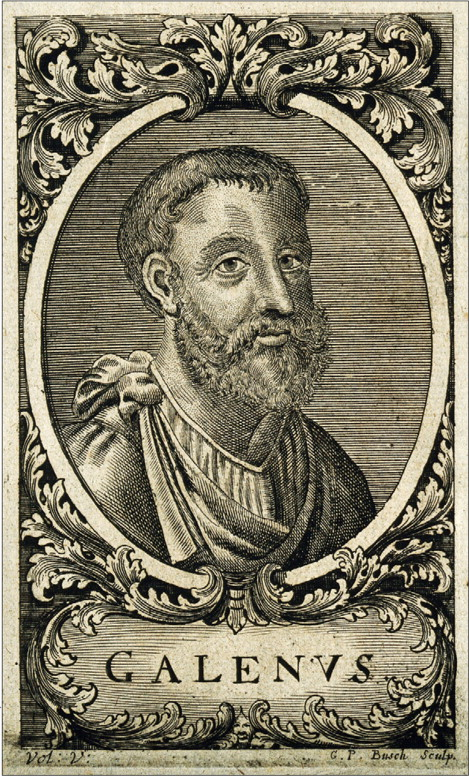
Galen’s writings are not speculative. He worked directly with gladiators, treating their wounds and overseeing their health. When he tells us what they ate, he is reporting observation, not theory. According to him, meat was rare in the gladiator diet and not a central component of their nutrition.
Other Roman writers echo this picture. Gladiators were commonly referred to as hordearii, meaning “barley men.” This nickname alone tells us everything we need to know about their primary food source. Barley was cheap, abundant, and calorically dense. It filled stomachs and built bodies efficiently.
This textual evidence is reinforced by modern archaeology. Stable isotope analysis of gladiator remains from Ephesus shows a diet dominated by plants, with very low animal protein intake. The science confirms the ancient texts. Gladiators were not meat-fed warriors. They were grain-fed investments.
Why Barley Was the Core of the Diet
Barley was one of the most widely grown grains in the Roman world. It was cheaper than wheat, more resilient in poor soil, and easier to store. For institutions feeding large numbers of men, barley was the obvious choice. Gladiator schools needed food that was reliable, filling, and inexpensive.
Barley also provided exactly what trainers wanted. It was high in carbohydrates and encouraged weight gain. Gladiators were not trained to be lean. They were trained to be durable. A thick, padded body absorbed blows better than a lean one.
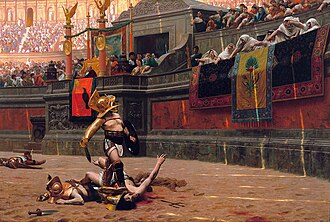
This is where the diet becomes strategically fascinating. Ancient writers note that gladiators were intentionally kept with a layer of body fat. Fat reduced the likelihood that a sword wound would strike vital organs. A cut through fat might bleed impressively without killing. A cut through muscle into organs was far more dangerous.
Fewer fatalities meant fewer replacements. Fewer replacements meant more profit. The gladiator diet was not designed for aesthetics or peak athletic performance. It was designed to keep men alive just long enough to keep fighting.
Breakfast in the Ludus
Breakfast for a gladiator was likely repetitive and unseasoned. A bowl of barley porridge cooked in water was the foundation of the day. It was not sweetened, salted, or spiced unless ingredients were available. Flavor was not the goal. Fuel was.
For this reconstruction, breakfast was a simple bowl of pearl barley cooked until thick and soft. A few nuts were added for texture, along with dried figs for minimal sweetness. There was no salt, no honey, and no fat added. It was brutal in its simplicity.
This kind of meal makes sense when you remember that gladiators did not cook for pleasure. Food was rationed and prepared in bulk. Seasoning cost money. Variety was unnecessary. The goal was to deliver calories efficiently.
Eating this first thing in the morning set the tone for the day. Heavy, filling, and monotonous. You eat it because you have to.
Midday Fuel, Not a Meal
Lunch was not much better. Instead of a hot meal, gladiators likely consumed portable foods that could be eaten quickly between training sessions. Grain cakes appear frequently in Roman food culture and were easy to produce in large quantities.
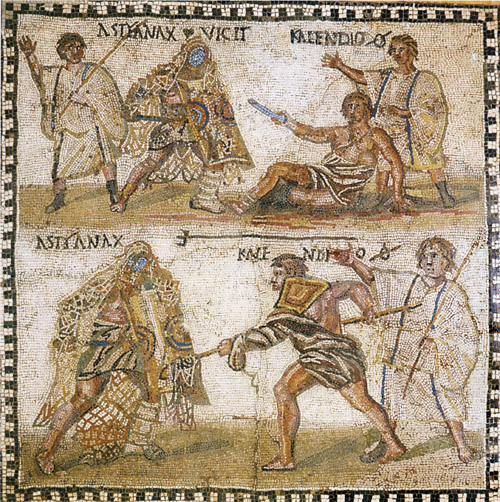
For lunch, I made simple oat cakes using ground grain, water, and nuts. Walnuts and pine nuts were added for fat and energy, and a small amount of honey for quick fuel. Even this sweetness would not have been guaranteed daily for every gladiator.
The cakes were dense and dry. They filled the stomach without satisfying it. This kind of food shuts down hunger rather than encouraging pleasure. It is efficient, not enjoyable.
This was not a meal meant to be savored. It was a ration designed to keep bodies moving until evening.
Dinner and the Endless Return of Barley
Dinner brought the closest thing to variety, though barley still dominated the bowl. Roman legume stews were common among the lower classes and institutional settings. Chickpeas, lentils, onions, and cabbage were cheap, filling, and nutritionally complementary.
For this meal, barley was cooked again, this time in a thick vegetable soup. Chickpeas and lentils added protein, onions and cabbage added bulk, and a small amount of fish sauce provided the only real depth of flavor.
Fish sauce, or garum, was widely used in Roman cooking at every social level. Even a small splash transformed the dish. Without it, the meal would have been nearly inedible.
Despite being the most complex meal of the day, dinner still felt repetitive. Barley again. Thick again. Heavy again. The diet did not offer relief from monotony. It embraced it.
The Reality of Eating Like a Gladiator
After a full day of eating like a gladiator, one thing becomes very clear. This diet was not designed to be enjoyable. It was designed to be effective. High carbohydrates, minimal meat, strategic fat accumulation, and relentless repetition.
The idea of the gladiator as a lavishly fed warrior collapses under scrutiny. These men were controlled through food as much as through chains and discipline. Their bodies were shaped by diet as deliberately as by training.
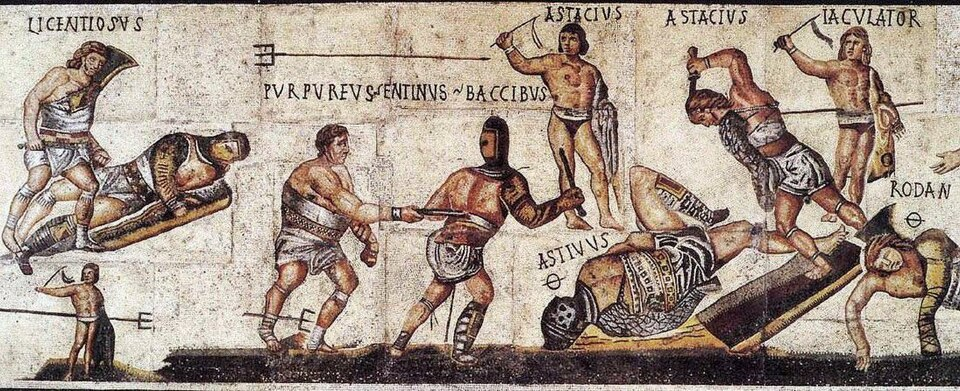
This way of eating was mentally exhausting. It stripped food of joy. Every meal blurred into the next. Barley dominated everything. There was no escape from it.
Honest review. This full day of eating absolutely sucked. Brutal, monotonous, and joyless. Final rating: 2.2 out of 10.
Recipe: A Full Day of Eating Like a Gladiator
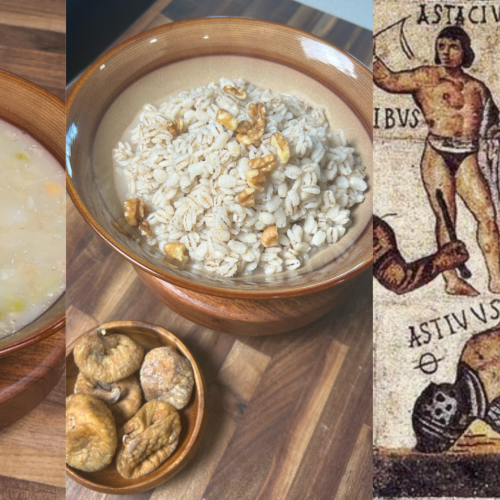
A Full Day of Eating Like a Gladiator
Ingredients
- 1½ cups pearl barley
- ½ cup oats or barley flour
- ¼ cup lentils
- ¼ cup cooked chickpeas
- ¼ onion chopped
- 1 cup chopped cabbage
- 2 dried figs
- Small handful mixed nuts walnuts, pine nuts, or similar
- 1 –2 tsp honey
- 1 tbsp olive oil
- 1 –2 tsp fish sauce or garum
- Water
Instructions
- Rinse barley thoroughly. Cook half of it in water until thick and soft for breakfast. Top with nuts and chopped dried figs.
- Mix oats or barley flour with water to form a stiff dough. Press into small cakes and cook on a dry skillet or bake until firm. Add nuts and drizzle lightly with honey for lunch.
- Cook the remaining barley with lentils in water until tender. Add onion and cabbage and simmer until soft. Stir in chickpeas, olive oil, and fish sauce. Serve thick as a stew for dinner.
Video
Notes
- Barley is the non-negotiable core of this diet. Ancient sources and skeletal evidence both confirm gladiators consumed it daily, often multiple times a day.
- Meat is intentionally absent. Gladiators were slaves, meat was expensive, and a high-carbohydrate diet helped maintain a protective layer of body fat.
- Fish sauce is the only real seasoning used. Even a small amount dramatically improves flavor and reflects common Roman cooking practices across social classes.