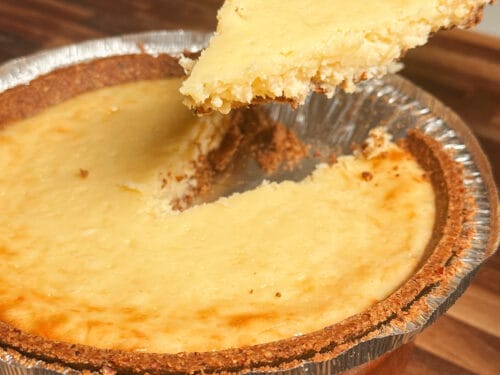
Benjamin Franklin’s Parmesan Cheesecake is an eighteenth-century curiosity that bridges the familiar and the unexpected. Built on a buttery graham cracker and walnut crust, the filling combines cream cheese and finely shredded Parmesan with eggs, sugar, and bright lemon zest. The result is a cheesecake that feels recognizable in texture yet carries a subtle savory edge from the aged cheese. It is not a novelty for shock value, but a thoughtful reflection of early modern tastes, when sweet and savory were often blended. The Parmesan adds depth rather than saltiness, giving the dessert a gentle bite that lingers pleasantly on the palate.
Prep Time 15 minutesmins
Cook Time 40 minutesmins
Ingredients
Filling
8oz225 g cream cheese, softened
1cupfinely shredded Parmesan cheese
2large eggsseparated
½cupgranulated sugar
1tablespoonlemon juice
1teaspoonlemon zest
Crust
1cupgraham cracker crumbs
½cupfinely crushed walnuts
4tablespoonsbuttermelted
2tablespoonsgranulated sugar
Instructions
Preheat the oven to 350°F (175°C). Lightly grease a small springform pan or pie dish.
In a bowl, combine the graham cracker crumbs, crushed walnuts, melted butter, and sugar. Mix until evenly moistened. Press firmly into the bottom of the pan to form the crust. Set aside.
In a large bowl, beat the cream cheese until smooth. Add the shredded Parmesan and sugar, mixing until well incorporated.
Add the egg yolks one at a time, stirring gently after each addition. Mix in the lemon juice and lemon zest until smooth.
In a separate bowl, lightly whip the egg whites until they hold soft peaks. Do not overwhip.
Gently fold the egg whites into the cheesecake batter, taking care not to deflate them. This will give the cheesecake a lighter texture.
Pour the filling over the prepared crust and smooth the top.
Bake for 35–40 minutes, or until the center is just set and the top is lightly golden.
Allow the cheesecake to cool completely before slicing. Chill for at least 1 hour for best texture.
Video
Notes
The Parmesan should be finely shredded so it melts evenly into the custard.
The flavor is subtly savory, not salty, with a familiar cheesecake texture and a gentle bite from the aged cheese.
This recipe reflects eighteenth-century tastes, where sweet and savory were often blended rather than separated.