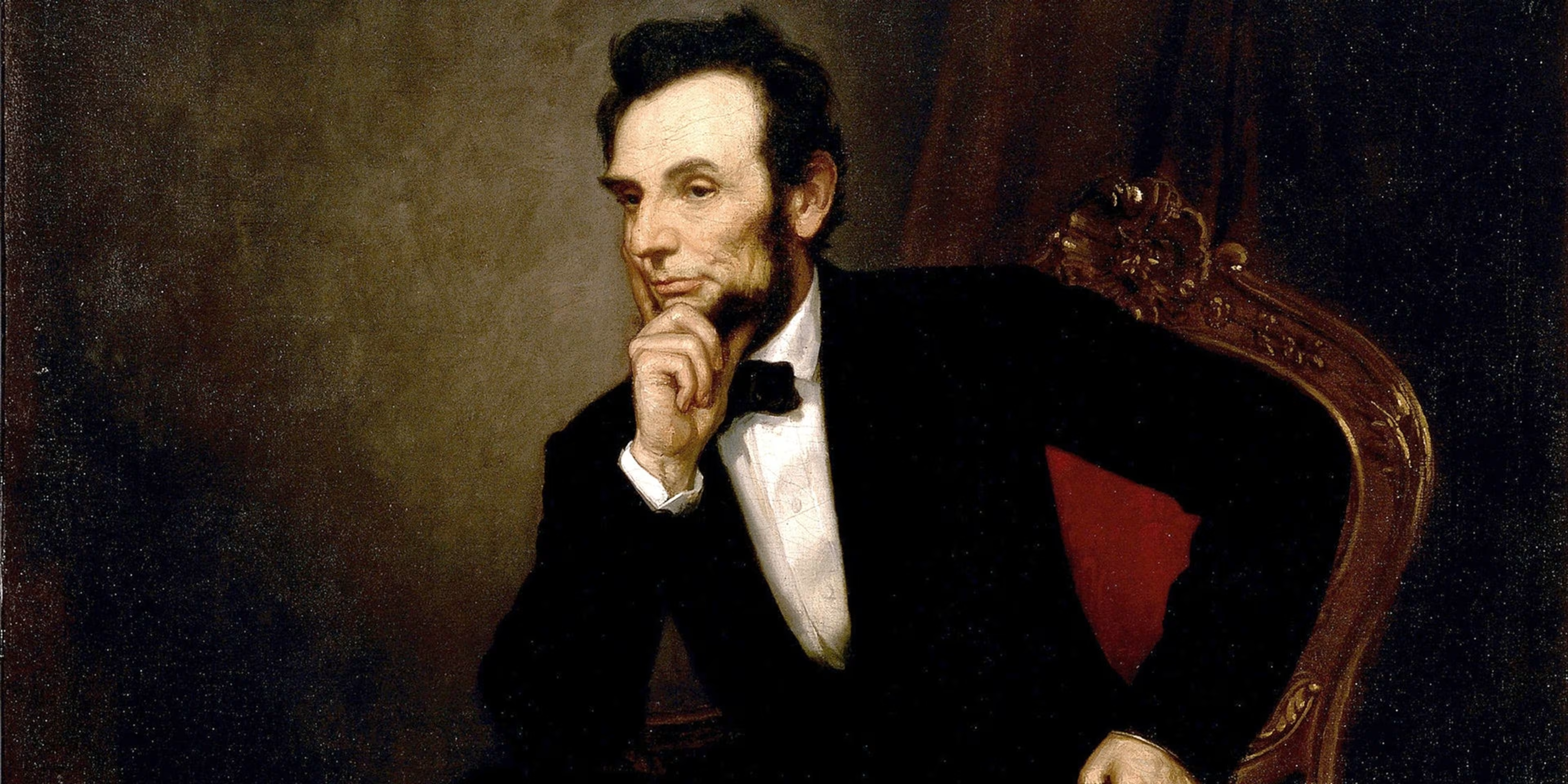
Abraham Lincoln, the 16th President of the United States, is one of the most revered figures in American history, known for his leadership during the Civil War and his role in abolishing slavery. But beyond his monumental achievements, Lincoln was a man of humble tastes, often recalling fond memories of his childhood, especially his love for gingerbread cookies.
This simple, yet heartwarming treat offers a glimpse into Lincoln’s early life and the values he held dear. In this blog post, we’ll explore Lincoln’s life, his presidency, and his connection to gingerbread cookies. Finally, we’ll share a traditional recipe that captures the essence of this beloved dessert.
The Life of Honest Abe
Early Life and Humble Beginnings
Abraham Lincoln was born on February 12, 1809, in a log cabin in Hardin County, Kentucky. Growing up in a poor family, Lincoln’s childhood was marked by hard work and limited formal education.
Despite these challenges, he was an avid reader and developed a strong sense of morality and justice from an early age. Lincoln’s early experiences with poverty and labor greatly influenced his character and his later political views.
Next week
I cook these before I write them. Some of it never makes the post.
The failures, the source documents, the version that actually tasted good. That part goes out by email, and next week’s is already on the stove.
 Written and cooked by Donnie
The Road to the White House
Lincoln’s political career began in Illinois, where he served in the state legislature and gained a reputation as an eloquent speaker and a fierce opponent of slavery.
His debates with Stephen A. Douglas during the 1858 Senate race brought him national recognition, setting the stage for his successful presidential campaign in 1860. Lincoln’s election as the first Republican president was a turning point in American history, as it prompted the secession of Southern states and the onset of the Civil War.
Leading a Nation Through Turmoil
Lincoln’s presidency, from 1861 to 1865, was defined by the Civil War, a conflict that threatened to tear the nation apart. Despite immense pressure, Lincoln remained steadfast in his commitment to preserving the Union and ending slavery.
His issuance of the Emancipation Proclamation in 1863 and his role in the passage of the 13th Amendment marked significant steps toward achieving these goals. Lincoln’s leadership, characterized by humility, determination, and compassion, earned him a lasting legacy as one of America’s greatest presidents.
Assassination and Legacy
Tragically, Lincoln’s life was cut short when he was assassinated by John Wilkes Booth on April 14, 1865, just days after the Confederacy’s surrender.
His death shocked the nation, but his legacy endures through his contributions to American democracy and his unwavering commitment to equality and justice.
Lincoln’s humble beginnings, leadership during a time of crisis, and enduring legacy have solidified his place as a symbol of hope and perseverance.
Abraham Lincoln’s Favorite Food: Gingerbread Cookies
Gingerbread cookies were more than just a sweet treat for Abraham Lincoln; they were a cherished reminder of his humble upbringing on the American frontier. Growing up in a log cabin in Kentucky and later in Indiana, Lincoln’s family lived a simple life, where luxuries were few and far between.
Despite the hardships, his mother, Nancy Hanks Lincoln, made sure to bring small moments of joy to her children’s lives, often through the simple act of baking.
One of the most famous stories Lincoln shared involved a day when his mother baked gingerbread men for him and his siblings. Lincoln, who rarely had such treats, was thrilled. He later recounted the story during his presidency, illustrating not only his fondness for the cookies but also his deep sense of empathy.
Lincoln recalled giving one of his prized gingerbread men to a poor boy who had none, a gesture that perfectly captured his innate kindness and willingness to share, even when he had little to give.
This story became emblematic of Lincoln’s character. He often used it to illustrate the importance of generosity and compassion, values that guided him throughout his life. The gingerbread cookies, made from simple ingredients like molasses, ginger, and spices, were a luxury in the harsh conditions of frontier life.
Yet, for Lincoln, they symbolized more than just a treat; they were a connection to his mother’s love and the warmth of home.
As Lincoln rose to prominence, he never forgot the lessons of his youth. Even during the darkest days of the Civil War, he would reminisce about the simple joys of his childhood, including the taste of his mother’s gingerbread cookies. These memories provided comfort and a sense of grounding as he navigated the immense challenges of leading a divided nation.
Recipe for Traditional Gingerbread Cookies

Traditional Gingerbread Cookies

Don’t lose this one.
I’ll email it to you so it’s waiting when you’re ready to cook.
Ingredients
Instructions

Notes
- Chilling the dough is a crucial step in this recipe, as it allows the dough to firm up, making it easier to roll out and cut into shapes. It also helps prevent the cookies from spreading too much during baking, ensuring they hold their shape.
- The blend of spices (ginger, cinnamon, cloves, and nutmeg) gives these cookies their signature warmth and depth of flavor. Feel free to adjust the spice levels to your personal preference. For a spicier kick, you can increase the amount of ginger or add a pinch of black pepper.
- Traditional vs. Modern- While these cookies can be enjoyed plain, decorating them can add a fun and festive touch. Traditional decorations might include simple icing or a sprinkle of sugar. For a modern twist, you can use colored icing, sprinkles, or small candies to bring the gingerbread men to life, making them perfect for holiday gatherings or gifting.