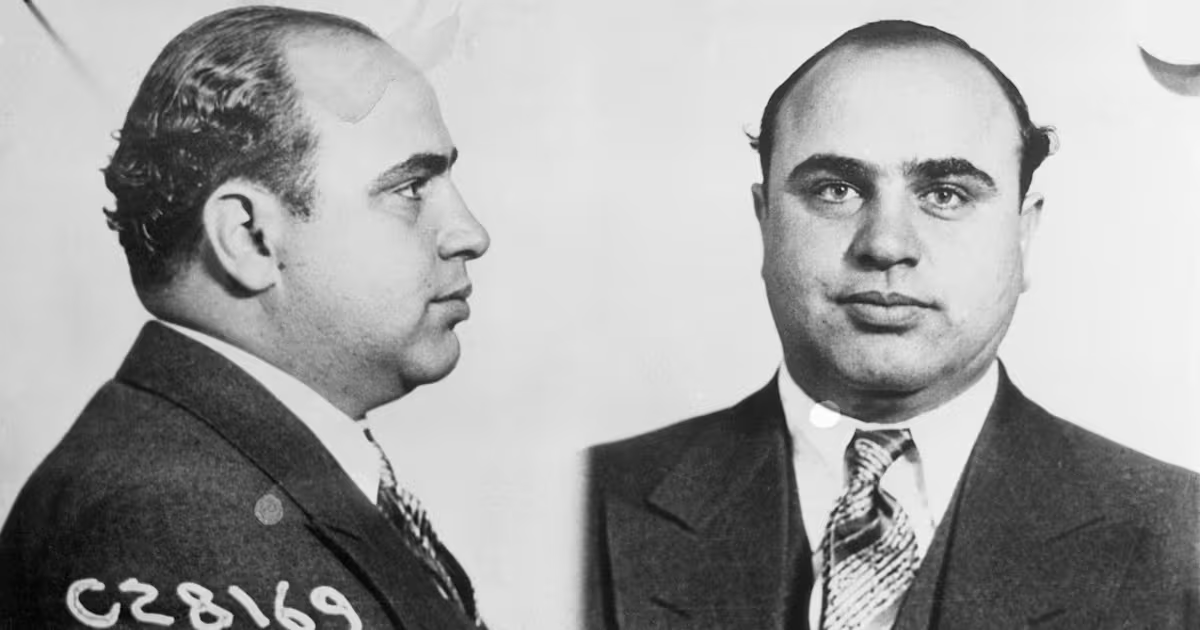
When you think of Al Capone, the notorious Prohibition-era gangster, you probably picture speakeasies, tommy guns, and Chicago’s dark underworld.
But beneath the legendary criminal persona was a man who had a surprisingly soft spot for home-cooked Italian food, particularly a simple dish of walnut pasta his mother used to make.
Like many Italian-American families, food played a central role in the Capone household, and this humble yet flavorful dish offers a glimpse into the man behind the myth. Let’s dive into the history of Al Capone and explore how this rustic recipe connects to his story.
The Background of Al Capone: From Brooklyn to Chicago
Al Capone was born in Brooklyn, New York, in 1899 to Italian immigrant parents, Gabriele and Teresa Capone. His father was a barber, and his mother was a homemaker who brought the flavors of their southern Italian heritage into their home. Growing up in a tight-knit Italian-American community, food was an important part of daily life.
Next week
I cook these before I write them. Some of it never makes the post.
The failures, the source documents, the version that actually tasted good. That part goes out by email, and next week’s is already on the stove.
 Written and cooked by Donnie
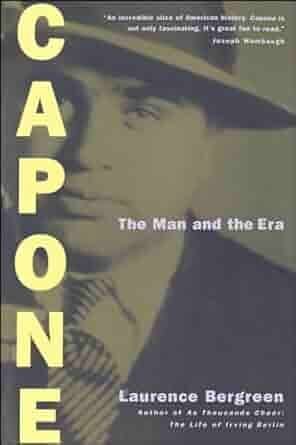
Research provided from Capone: The Man and the Era, pick it up on Amazon here!
Capone’s early life was marked by poverty and a need to prove himself in the rough streets of New York. As a young man, he moved to Chicago, where he became a key player in the city’s criminal underworld during Prohibition.
By his mid-20s, he was running the infamous Chicago Outfit, controlling much of the city’s bootlegging, gambling, and prostitution operations. But despite his ruthless reputation, Capone was deeply devoted to his family, and those close to him recall his love of traditional Italian meals, which reminded him of his roots.
A Taste of Home: Al Capone’s Love for Walnut Pasta
One dish that particularly resonated with Capone was his mother’s walnut pasta. Simple yet rich in flavor, it was made with basic ingredients that would have been readily available in Italian kitchens—spaghetti, garlic, walnuts, olive oil, parsley, and Parmesan cheese.
Teresa Capone would crush the walnuts into a coarse paste and toss them with garlic and olive oil before coating the pasta. The dish was hearty, comforting, and deeply tied to the family’s Neapolitan heritage.
Even as Capone’s criminal empire grew, he never lost his love for simple, home-cooked meals. He would often host lavish dinners for friends and associates, but his favorite dishes remained those that reminded him of his mother’s kitchen. The walnut pasta was a taste of his past, a grounding reminder of family and tradition in a life otherwise filled with chaos.
Al Capone’s Legacy: More Than a Gangster
Al Capone’s legacy is complex. On one hand, he was responsible for some of the most violent and notorious crimes of the Prohibition era. On the other, he was known for his acts of charity, including opening soup kitchens during the Great Depression to feed Chicago’s hungry.
His dual nature—ruthless criminal and charitable figure—has made him one of the most fascinating figures in American history.
While his criminal activities overshadow much of his life, the stories of his love for family, tradition, and food provide a more humanizing perspective. His favorite meals, including the walnut pasta, were symbols of his connection to his Italian heritage and a reminder of simpler times before his rise to infamy.
Al Capone’s Walnut Pasta Recipe
Now, you can recreate the comforting dish that Al Capone loved. This walnut pasta is simple, rustic, and full of flavor—a perfect blend of garlic, olive oil, and Parmesan, with the rich nuttiness of walnuts.
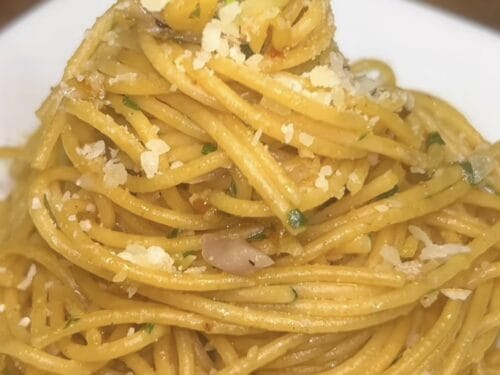
Al Capone’s Walnut Pasta

Don’t lose this one.
I’ll email it to you so it’s waiting when you’re ready to cook.
Ingredients
Instructions
Video
Notes
- For a creamier sauce, pulse the walnuts in a food processor until finely chopped, or mash them into a coarse paste for a more traditional texture.
- Reserve pasta water to adjust the consistency of the sauce. Adding a splash of starchy pasta water will help the sauce cling better to the spaghetti.
- Customize the dish by adding a pinch of red pepper flakes for some heat or swapping Parmesan for Pecorino Romano for a sharper flavor.