When we think of ancient Rome, grand architecture, vibrant markets, and cultural advancements often come to mind. Yet, it’s the everyday details—the food, the tools, and the routines—that truly connect us to the past.
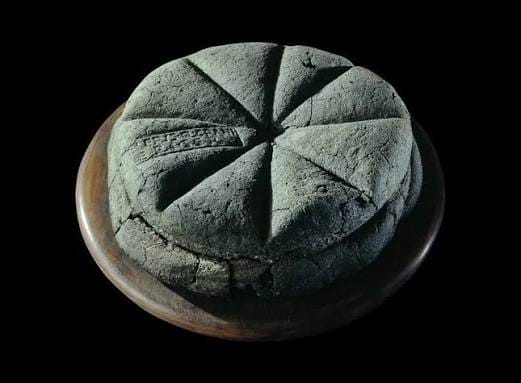
Among these relics, Panis Quadratus, a humble loaf of bread, has become an extraordinary symbol of life in Pompeii before the city’s tragic end. Preserved by the eruption of Mount Vesuvius in 79 CE, this iconic bread provides a unique glimpse into the culinary habits of Roman citizens.
Today, we explore the history of Panis Quadratus, its rediscovery, and how you can recreate this ancient loaf in your own kitchen.
The Eruption of Vesuvius
On an ordinary summer day in 79 CE, Mount Vesuvius erupted with devastating force, forever altering the lives of those in Pompeii and the surrounding region. The eruption began with a massive explosion that sent a column of ash and pumice high into the sky, followed by waves of pyroclastic flows that consumed the city.
Next week
I cook these before I write them. Some of it never makes the post.
The failures, the source documents, the version that actually tasted good. That part goes out by email, and next week’s is already on the stove.
 Written and cooked by Donnie
Pompeii, a thriving hub of Roman life, was buried under meters of volcanic material, freezing its streets, buildings, and inhabitants in time. Homes, businesses, and even kitchens were preserved, offering modern archaeologists an unprecedented snapshot of daily life in the Roman Empire.
The Rediscovery of Pompeii
Pompeii lay forgotten beneath volcanic ash for centuries, only to be rediscovered in 1748. Excavations revealed an extraordinary time capsule of Roman civilization, complete with mosaics, frescoes, and household artifacts.
Among the most fascinating finds were food items, including loaves of bread preserved in the ovens of ancient bakeries. These loaves, now known as Panis Quadratus, retained their distinct markings: scored into sections, tied with string, and stamped with a baker’s mark.
The bread offered a tangible connection to the people of Pompeii, their culinary traditions, and their resourceful use of simple ingredients.
Panis Quadratus: Its Ingredients and Significance
Panis Quadratus was made with ingredients that were staples of the Roman diet: whole wheat and spelt flour, water, salt, and a leavening agent like sourdough starter. The bread was likely baked in communal ovens, with each loaf tied with string or stamped to identify its owner.
The scoring of the bread into sections suggests it was designed for easy portioning, making it practical for both households and markets. Today, this ancient loaf has been revived by chefs and historians, allowing us to experience a piece of Roman culinary history firsthand.
Recipe: Panis Quadratus
If you’re enjoying my work, consider buying me a coffee :).
Recreate this ancient bread using modern ingredients and methods. This recipe yields a dense, hearty loaf with a rustic texture, just as it might have been enjoyed in Pompeii.
Panis Quadratus

Don’t lose this one.
I’ll email it to you so it’s waiting when you’re ready to cook.
Ingredients
Instructions
Notes
- Flour Options: Authentic recipes use a mix of whole wheat and spelt flours for a rustic texture and flavor. If spelt is unavailable, substitute with whole wheat or another ancient grain flour for a similar profile.
- Scoring and String: Scoring the loaf into sections and tying it with string replicates the traditional design of Panis Quadratus. The string helps maintain the loaf’s shape while baking and adds an authentic visual detail.
- Leavening: While sourdough starter provides the most authentic flavor and texture, instant yeast can be used for a quicker preparation without compromising too much on flavor.