A Taste of Appalachian Resilience
Few dishes capture the essence of perseverance and ingenuity like Bulldog Gravy. Born from the rugged landscapes of Appalachia during the throes of the Great Depression, this humble recipe served as a lifeline for countless mining families.
With its simple ingredients and stick-to-your-ribs heartiness, Bulldog Gravy is more than a meal—it’s a story of survival, community, and the indomitable spirit of the Appalachian people. Paired with fluffy biscuits, it remains a testament to the creativity that emerges in the face of scarcity.
The Setting: Appalachia in the Post-Industrial Revolution
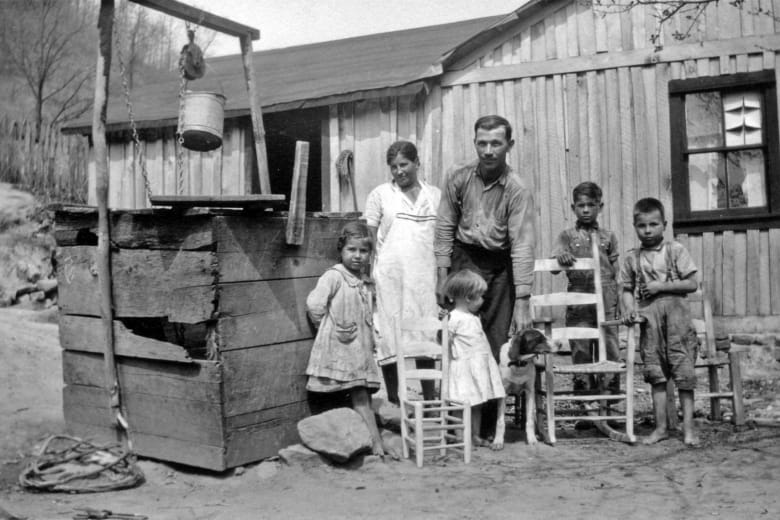
The Appalachian region experienced rapid changes in the late 19th and early 20th centuries, as coal and timber industries transformed the area.
Company towns emerged around coal mines, where families worked tirelessly to extract the black gold that powered America’s industrial revolution.
Next week
I cook these before I write them. Some of it never makes the post.
The failures, the source documents, the version that actually tasted good. That part goes out by email, and next week’s is already on the stove.
 Written and cooked by Donnie
These small communities were isolated, with workers often paid in company scrip instead of cash, restricting their ability to buy food or supplies from anywhere but the company store.
When the Great Depression struck in the 1930s, Appalachia—already vulnerable due to its reliance on mining—plunged into dire poverty. The collapse of coal prices led to widespread unemployment, and families often faced severe food shortages. Stretching every crumb became a necessity.
The 1930s Depression and its Impact on Appalachian Miners
For miners, the Great Depression meant not just economic hardship but physical hunger. Entire families depended on a single income that disappeared overnight. Gardens and wild foraging supplemented meager provisions, but meals were simple and sparse.
The resourcefulness of Appalachian cooks led to the creation of dishes that could make something out of almost nothing. Flour, water, grease, and a pinch of seasoning became staples, transformed into life-sustaining dishes like Bulldog Gravy.
Bulldog Gravy: A Response to Hunger
Bulldog Gravy was born out of necessity. Made from rendered grease (usually from bacon or sausage, if available), flour, and water or milk, it was designed to stretch limited resources.
The name “Bulldog Gravy” likely reflects its bite—a robust, savory sauce that could transform plain biscuits or cornbread into a filling meal. For miners and their families, this dish symbolized resilience, providing warmth and sustenance during cold Appalachian mornings.
The gravy’s simplicity and flavor cemented its place in Appalachian kitchens, even as times improved. Today, Bulldog Gravy carries a legacy of survival, a dish that connects modern cooks to the ingenuity of those who came before.
The Legacy of Bulldog Gravy
Though the hardships of the 1930s have passed, Bulldog Gravy remains a cherished comfort food. It is a reminder of how Appalachian families faced adversity with creativity and determination. Served alongside biscuits—a Southern staple—it represents the heart of Appalachian cuisine: humble, hearty, and rich in history.
Recipe for Classic Biscuits & Gravy:
Biscuits and Bulldog Gravy

Don’t lose this one.
I’ll email it to you so it’s waiting when you’re ready to cook.
Ingredients
Instructions
Video
@eatshistory Bulldog Gravy from Appalachia #history #coalminer #appalachia #westvirginia #recipe #historytok #historybuff #historical #cooking #biscuitsandgravy #biscuit #gravy breakfast #brunch #historytiktok #fyp
♬ original sound – Eats History – Eats History
Notes
- Stretching Ingredients: During the Great Depression, water or milk was used depending on availability. If you want a creamier gravy, opt for milk; for authenticity, use water.
- Seasoning Options: Adding black pepper is essential for flavor, but you can also experiment with a pinch of cayenne for a slight kick or smoked paprika for depth.
- Biscuits Shortcut: If making biscuits from scratch feels time-intensive, you can use refrigerated biscuit dough for convenience while preserving the spirit of the dish.