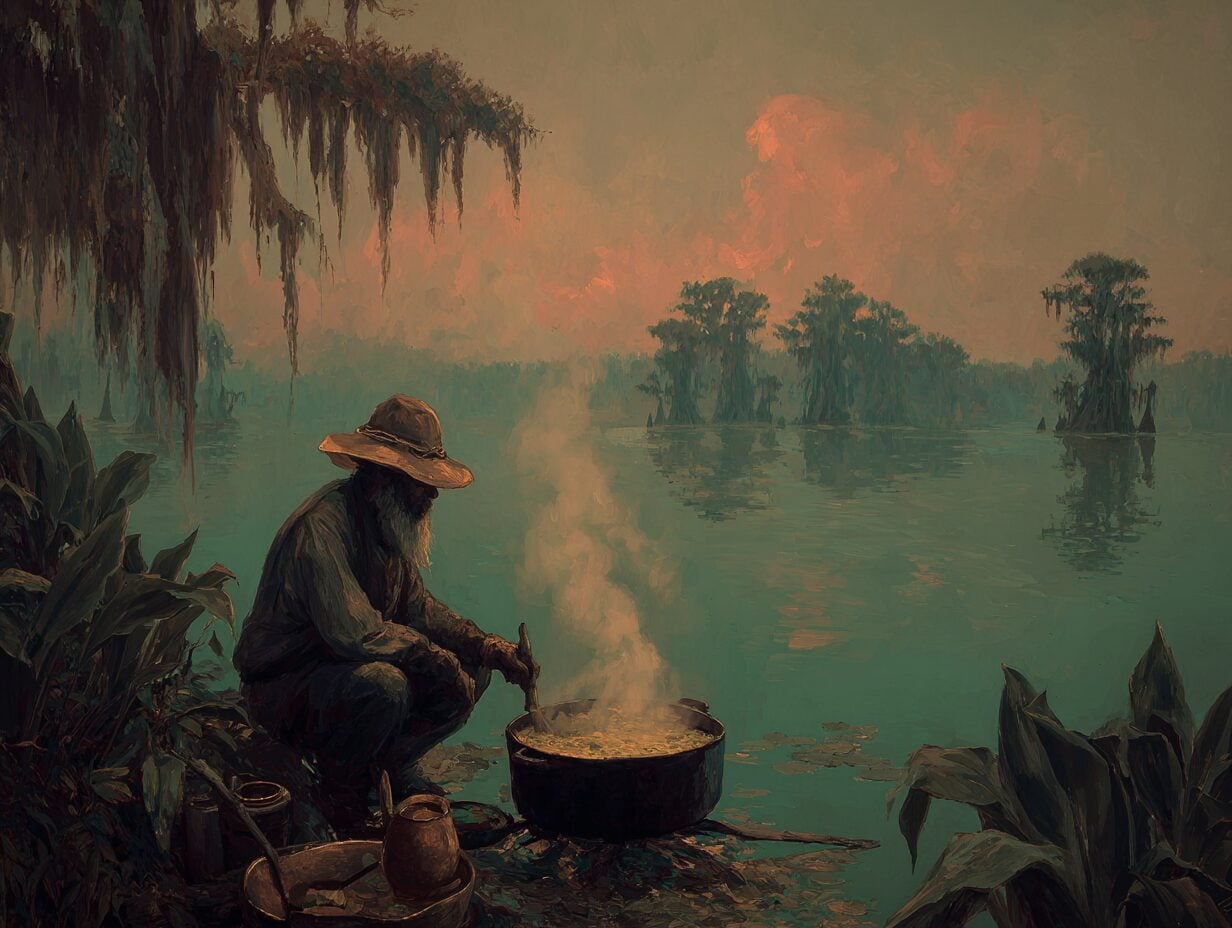
Few dishes capture the soul of a place quite like gumbo does for Louisiana. It is not just a stew or a soup — it’s a story of survival, adaptation, and cultural blending unlike any other.
When you look into a pot of gumbo, you see the ingredients of an entire world simmering together: the French technique of roux, the African gift of okra, the Native American use of filé, and the Spanish love for spice. Gumbo is more than food. It’s Louisiana itself — diverse, complex, and full of heart.
If you’re enjoying my recipes, all of my e-cookbooks are currently 40% off!
The Origins of Gumbo
The word gumbo itself has African roots. Historians trace it to the term gombo or ki ngombo, meaning “okra,” from the Bantu and Bambara languages of West Africa. Okra seeds arrived in Louisiana through the transatlantic slave trade, carried by enslaved people who brought with them not only agricultural knowledge but also deep culinary traditions. These same Africans were targeted by plantation owners for their expertise in rice cultivation, helping to establish the foundation of Louisiana’s food systems. Their legacy, ingenuity, and resilience live on in the steaming pots of gumbo served across the state today.
Next week
I cook these before I write them. Some of it never makes the post.
The failures, the source documents, the version that actually tasted good. That part goes out by email, and next week’s is already on the stove.
 Written and cooked by Donnie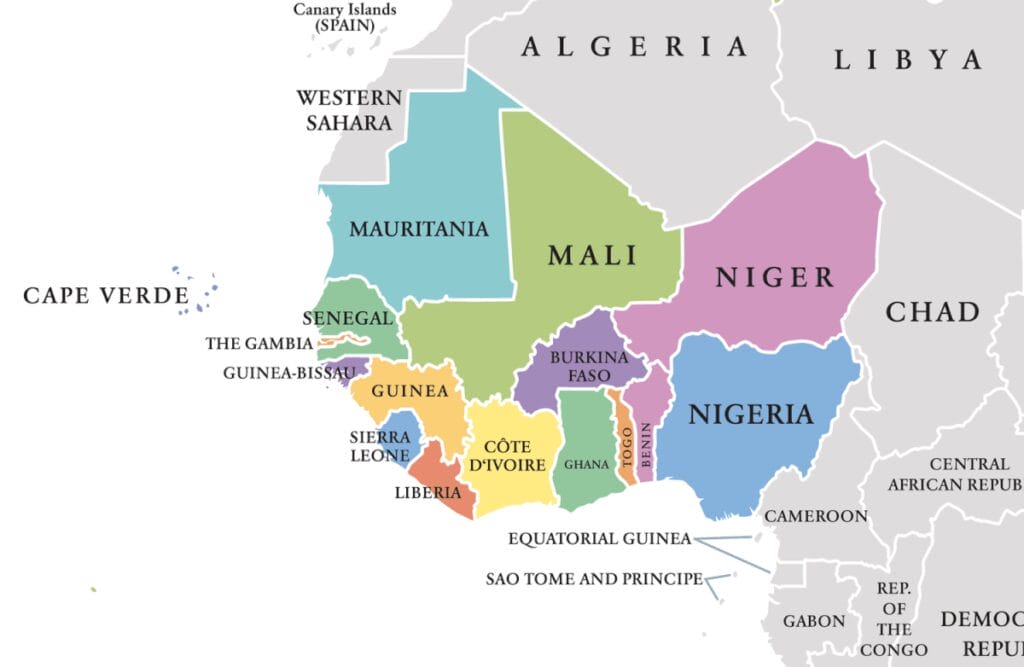
By the early 1800s, gumbo had become part of everyday Louisiana life. The first written account appeared in 1803, when French traveler C. C. Robin attended a Cajun bal de maison, or house dance, along the Mississippi River. His hosts — working-class Cajuns — served gumbo as a communal meal, thick and fragrant with local ingredients.
A Blend of Worlds
What makes gumbo extraordinary is how it evolved through centuries of cultural exchange. The French brought the technique of the roux, a cooked mixture of flour and fat that gives gumbo its body. The Spanish added a taste for peppers, tomatoes, and spices. The West Africans contributed okra and an understanding of thickened stews. The Native Americans, particularly the Choctaw, introduced filé powder — ground sassafras leaves — as a natural thickener and flavor enhancer. Even German settlers influenced the dish through their charcuterie traditions, giving rise to the beloved andouille sausage found in many versions today.
By the late 19th century, gumbo had become a symbol of Louisiana’s creolization — that unique cultural fusion born from the mingling of French, African, Caribbean, and Native peoples. As writer Lafcadio Hearn put it in his 1885 book La Cuisine Creole, Louisiana cooking was “cosmopolitan in its nature, blending the characteristics of the American, French, Spanish, Italian, West Indian, and Mexican.” Gumbo was the edible proof of that statement.
From Cookbooks to Culture
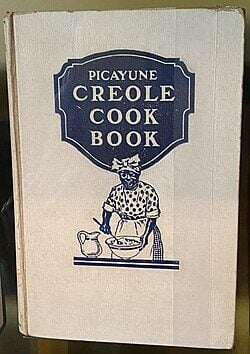
Some of the earliest gumbo recipes in print appeared in The Picayune’s Creole Cookbook (1901) and Cooking in Old Créole Days (1903), both written in New Orleans. These books showcased the variations that had already developed across the state — seafood gumbos along the coast, chicken and sausage gumbos inland, and gombo z’herbes, a green gumbo eaten during Lent. In every version, the base remained the same: a slow-cooked roux, dark as mahogany, that infused the dish with depth and richness.
The roux is where the magic begins. Flour is cooked slowly in butter or lard until it reaches a deep brown color, teetering on the edge of burnt but never crossing it. This smoky, nutty base defines the soul of gumbo. To that, onions, bell peppers, and celery — the holy trinity of Cajun and Creole cuisine — are added, followed by garlic, spices, and broth. From there, the possibilities are endless.
A Dish of a Thousand Variations
Gumbo is a dish without a single definition. Along the Gulf Coast, cooks favor shrimp, crab, and oysters, often thickened with okra. Inland, in Cajun country, chicken and andouille sausage reign supreme. Some add filé powder for flavor, others swear by roux alone. And in New Orleans, you might even find vegetarian or “green” versions made with collard greens, turnips, and herbs. Gumbo can be seafood-rich or farm-grown, fiery or mild, thin or thick — every pot reflects the cook’s ancestry, region, and imagination.
But one thing never changes: gumbo brings people together. To “have a gumbo” is as much about the gathering as the food itself. It’s the centerpiece of church suppers, family reunions, and festivals. Each cook guards their recipe like a family heirloom, passed down through generations, adjusted with every spoonful.
The Modern Taste of Tradition
Today, gumbo remains the defining dish of Louisiana, a blend of all the state’s histories in one pot. It has survived wars, hurricanes, and centuries of cultural change. Whether you eat it at a French Quarter restaurant or a backyard gathering in Lafayette, gumbo tastes like home. It carries the echoes of Africa, the refinement of France, and the resilience of Louisiana itself.
Shrimp and Sausage Gumbo Recipe (Inspired by The Picayune’s Creole Cookbook, 1901):
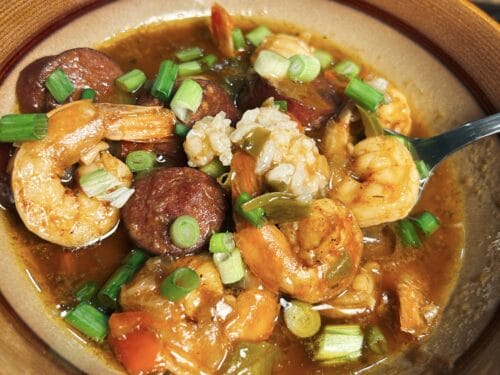
Shrimp and Sausage Gumbo

Don’t lose this one.
I’ll email it to you so it’s waiting when you’re ready to cook.
Ingredients
Instructions
Notes
- Roux Patience: The darker the roux, the deeper the flavor. Stir constantly and keep your heat moderate — once it burns, you’ll need to start over.
- Seafood Variation: Add crab meat, oysters, or crawfish tails along with the shrimp for a true coastal gumbo.
- Next-Day Magic: Like many stews, gumbo tastes even better the next day once the spices and roux have fully developed.