If you’re fascinated by historical holiday recipes, you’ll love this one. Minced pork pie, or Flampoyntes, was a centerpiece of medieval feasts, combining savory pork, warming spices, and a hint of sweetness. It’s a dish that truly captures the festive spirit of the Middle Ages.
Christmas in medieval times was a season of lavish feasts, playful traditions, and hearty dishes that celebrated abundance and togetherness. This recipe transports you back to the halls of lords and ladies, where food was as much about spectacle as it was about flavor.
Want to dive deeper into the holiday traditions of yesteryear? Don’t miss The 25 Historical Recipes of Christmas e-cookbook! It’s filled with recipes like this one, taking you through centuries of holiday celebrations from ancient Rome to the 20th century.
Christmas in the Middle Ages
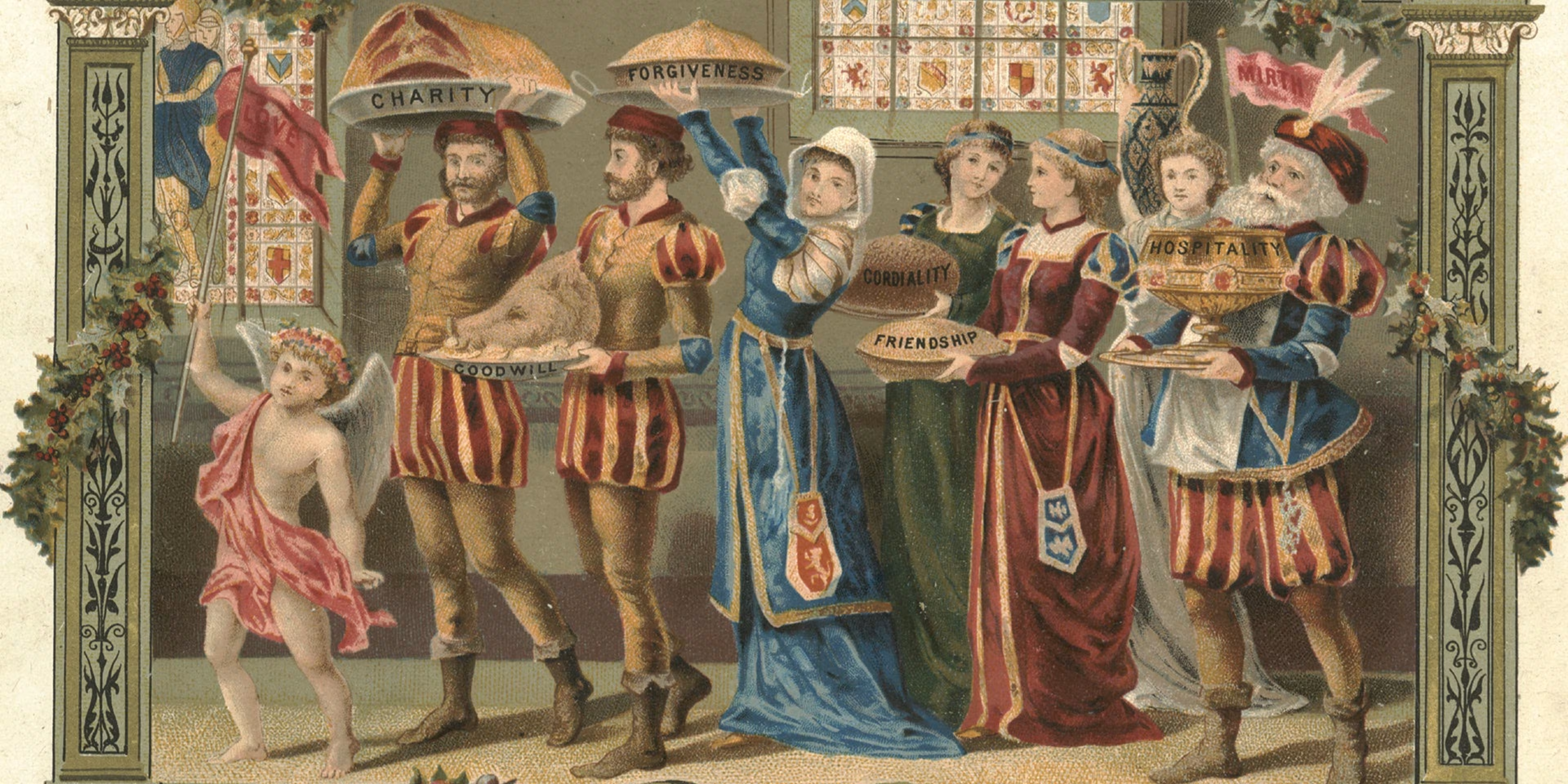
Medieval Christmas celebrations stretched well beyond December 25th, lasting up to 12 days in many parts of Europe. This extended holiday period, known as Christmastide, was a time for feasting, games, music, and revelry. While religious observances were central, the season also included customs that reflected the community’s joy and unity.
Next week
I cook these before I write them. Some of it never makes the post.
The failures, the source documents, the version that actually tasted good. That part goes out by email, and next week’s is already on the stove.
 Written and cooked by Donnie
For nobles and peasants alike, Christmas was a welcome reprieve from the hard labor of winter. The wealthiest households hosted magnificent feasts featuring roasted meats, spiced wine, and elaborate dishes, while rural communities celebrated with simpler meals, carol singing, and Yule logs burning in hearths.
The Lord of Misrule in England
One of the more entertaining figures of medieval Christmas celebrations was the Lord of Misrule. This figure, often chosen from the lower ranks of society, was appointed to oversee holiday revelries. The Lord of Misrule’s duties included organizing feasts, parades, and games, often turning social hierarchies upside down for a brief, joyous period.
The tradition, rooted in ancient Roman Saturnalian customs, brought levity and mischief to Christmas. It allowed people to indulge in merriment, poke fun at societal norms, and enjoy a sense of liberation during the darkest days of the year. At grand feasts presided over by the Lord of Misrule, food took center stage, with minced meat pies frequently gracing the table.
The Love of Minced Meat Pies at Feasts
Minced meat pies were a hallmark of medieval feasts, celebrated for their complex flavors and adaptability. Combining meat, spices, and sweetness, these pies were a culinary expression of the medieval love for blending savory and sugary ingredients.
Originally, minced meat pies often featured lamb, beef, or pork, mixed with dried fruits, sugar, and exotic spices like cinnamon, nutmeg, and cloves. These ingredients were prized luxuries brought to Europe via trade routes, symbolizing wealth and sophistication. Pies were often elaborately decorated, showcasing the host’s status and culinary skills.
Minced meat pies were more than just a meal—they were a festive centerpiece that reflected the abundance and generosity of the season. Their enduring popularity speaks to their universal appeal and their ability to transport us back to the feasting halls of medieval Europe.
Recipe for Minced Pork Pie (Flampoyntes):
Minced Pork Pie (Flampoyntes)

Don’t lose this one.
I’ll email it to you so it’s waiting when you’re ready to cook.
Ingredients
Instructions
Video
Notes
- Cheese Variations: Use a mild cheese like mozzarella, brie, or camembert for an authentic flavor, but feel free to experiment with your favorite semi-soft cheeses for a modern twist.
- Spice Adjustments: Medieval recipes often relied on warm spices like cinnamon, ginger, and cloves. Adjust the quantities to suit your taste while maintaining the historical essence.
- Pastry Options: If making pastry from scratch, choose a butter-based dough for a rich, flaky crust. Pre-made pastry dough can save time and works just as well.