Oktoberfest is one of the world’s most famous festivals, but its roots go back to a royal wedding in 1810. Crown Prince Ludwig of Bavaria married Princess Therese of Saxony-Hildburghausen, and the citizens of Munich celebrated with feasting, horse races, and plenty of beer.
The party was such a success that the city repeated it the following year, and from there the annual tradition of Oktoberfest was born. Today, millions of people travel to Munich each fall to take part in the festival, filling beer tents, singing along to brass bands, and enjoying hearty Bavarian food.

During my visit to Munich, I stopped by the Oktoberfest Museum to dive deeper into the history. One of the most fascinating details is how much the famous Bavarian Beer Purity Law of 1516, known as the Reinheitsgebot, still influences what you drink at Oktoberfest. This law originally limited beer to just three ingredients: barley, hops, and water. Yeast wasn’t understood at the time, but the regulation set a standard of quality that Bavaria still prides itself on today. The beer you drink at Oktoberfest comes only from Munich’s six breweries, each following centuries-old brewing tradition.
If you’re enjoying my recipes, all of my e-cookbooks are 40% off in the Eats History Shop!
Next week
I cook these before I write them. Some of it never makes the post.
The failures, the source documents, the version that actually tasted good. That part goes out by email, and next week’s is already on the stove.
 Written and cooked by Donnie
The Bavarian Breakfast Tradition
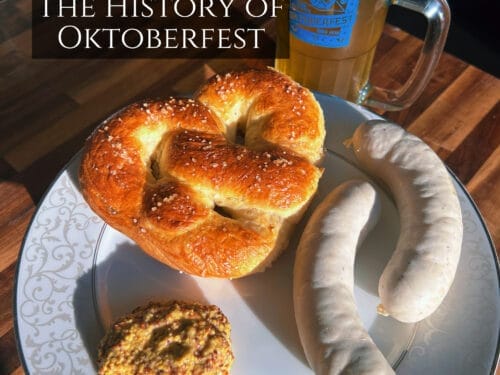
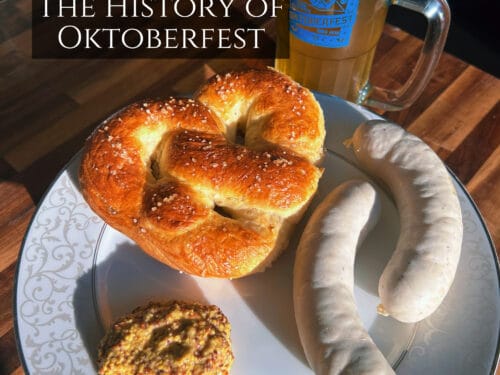
Oktoberfest may be all about beer, but you can’t truly experience it without sitting down for the legendary Bavarian breakfast. Served in beer halls and beer gardens, the meal is simple but steeped in ritual: freshly baked pretzels, plump white sausages known as Weißwurst, a spoonful of sweet mustard, and a tall glass of hefeweizen. It feels almost rebellious to drink a beer before noon, but in Bavaria, this is not only accepted — it’s expected.
Weißwurst itself is a delicate sausage made from veal and pork, seasoned with parsley and mild spices. There’s one very important rule: you don’t eat the casing. Traditionally, you peel it off at the table, or use the zuzeln method — sucking the meat from the skin. Bite through the casing in front of locals and you’ll quickly feel the judgment of an entire beer hall. The pretzels, meanwhile, balance the sausage perfectly: chewy, golden brown, and generously salted, they’re the ideal partner for sweet mustard and wheat beer.
Cultural Etiquette and Taboos
One of the quirks of this meal is its time limit. In Bavaria, Weißwurst is traditionally eaten only in the morning, never after noon. This custom began because the sausages were made without preservatives and had to be eaten fresh. Even though refrigeration has long since solved that problem, the cultural rule has survived. Ordering Weißwurst after midday will earn you some disapproving glances.
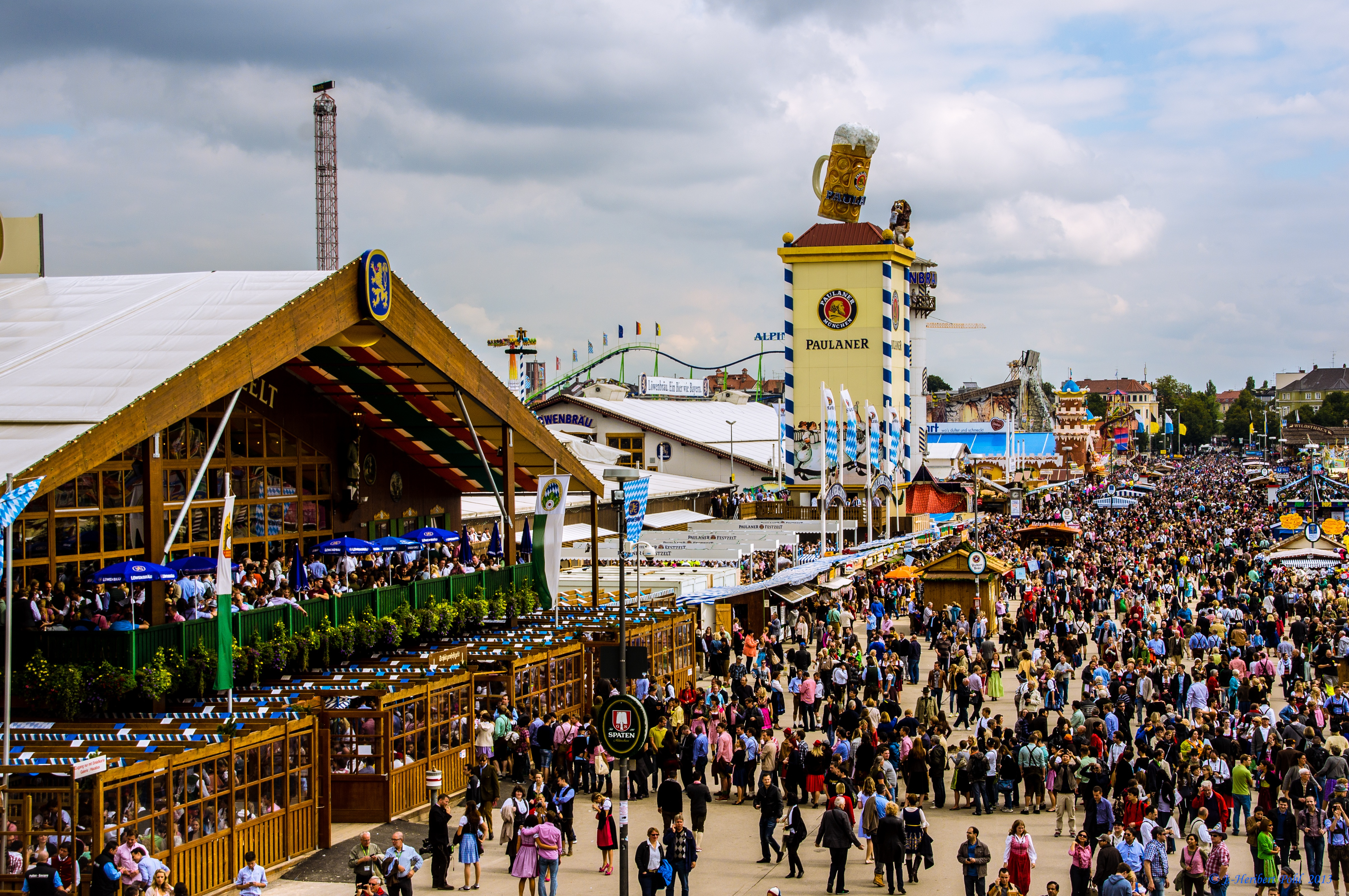
The combination of sausage, pretzel, mustard, and beer makes for a hearty and satisfying breakfast, but it’s also a ritual, a way to connect with Bavaria’s history and identity. Eating it in Munich, surrounded by beer hall chatter and music, is as much about the atmosphere as the food itself.
My Take on the Bavarian Breakfast
When I recreated this breakfast, I kept it close to tradition. I made my own Bavarian pretzels, boiled Weißwurst sausages just below a simmer, and served them with sweet mustard and a foamy wheat beer. The pretzels came out golden brown with that perfect chewy bite. The sausages were delicate, comforting, and paired beautifully with the mild sweetness of the mustard. Washed down with a hefeweizen, it felt like a festival on a plate.
I give this breakfast a solid 8.9/10. It’s simple, hearty, and deeply tied to Bavarian culture. More than just food, it’s a ritual — and if you follow the rules (peel the sausage, eat before noon), you’ll be dining just like locals have for generations.
Recipe: Oktoberfest Bavarian Breakfast
Bavarian Breakfast

Don’t lose this one.
I’ll email it to you so it’s waiting when you’re ready to cook.