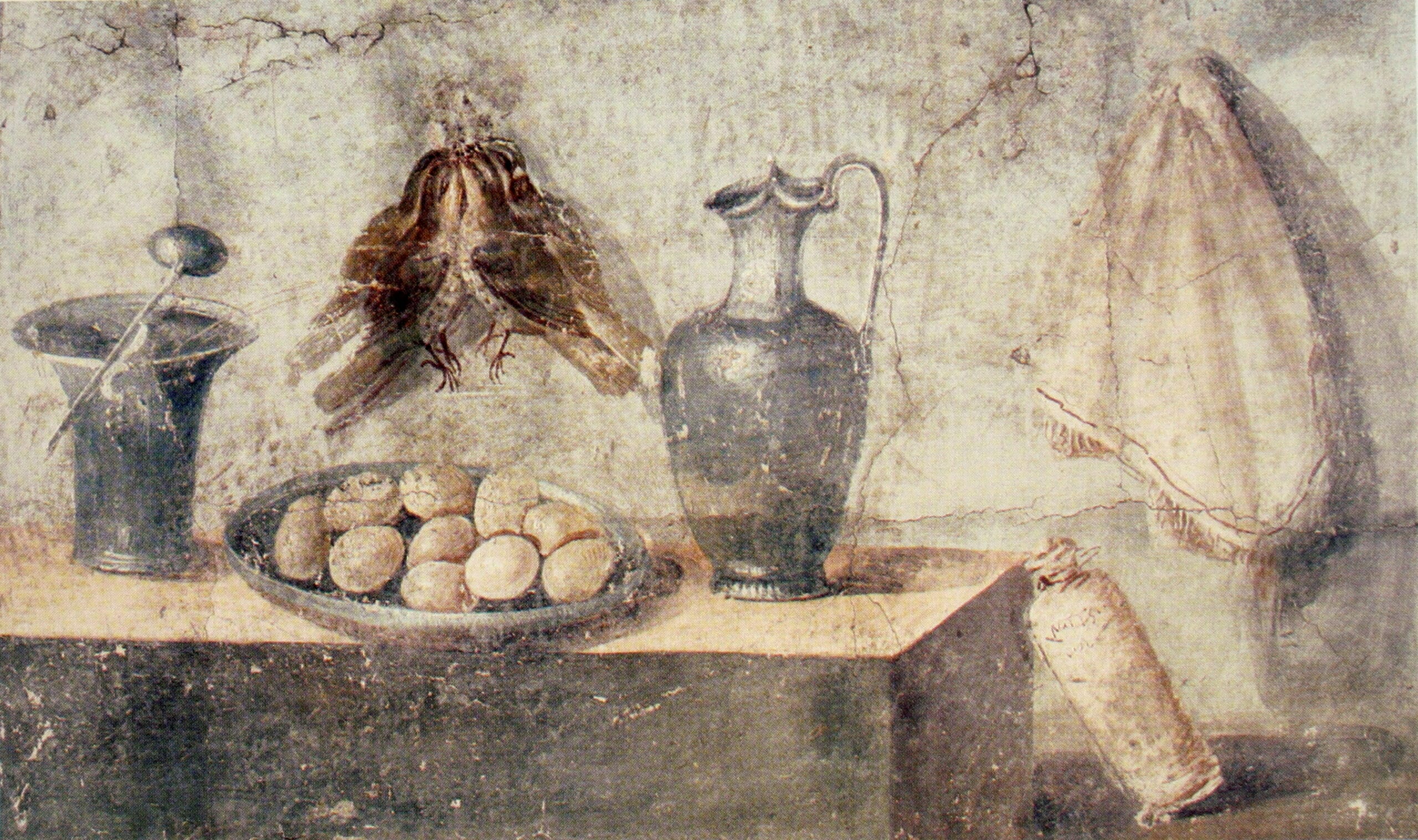
The cuisine of ancient Rome is a fascinating window into the daily lives and tastes of one of history’s most powerful civilizations. Romans were known for their resourceful use of ingredients, bold flavors, and innovative cooking techniques. Among their culinary creations was a love of fried vegetables, a tradition that continues to inspire modern cooks.
Today, we’re diving into a recipe for parsnip fries paired with a rich wine sauce, adapted from Apicius de Re Coquinaria, the famed Roman cookbook. These crispy, golden fries and their savory dipping sauce offer a taste of the bustling Roman world, from the grandeur of aristocratic feasts to the humble thermopolia, or ancient fast-food stalls.
Apicius & De Re Coquinaria
Apicius de Re Coquinaria is one of the oldest surviving cookbooks, attributed to a Roman gourmet named Marcus Gavius Apicius. Compiled in the late 4th or early 5th century CE, the text contains a collection of recipes showcasing the sophisticated palate of the Roman elite.
This recipe for fried parsnips, seasoned with salt and cumin, reflects the Roman penchant for simple yet flavorful dishes. Accompanied by oenogarum, a sauce made with reduced red wine and garum (a fermented fish sauce), the dish embodies the balance of savory and tangy flavors that Romans cherished.
Next week
I cook these before I write them. Some of it never makes the post.
The failures, the source documents, the version that actually tasted good. That part goes out by email, and next week’s is already on the stove.
 Written and cooked by Donnie
Roman Fast Food Stalls: Thermopolia
While Roman nobles enjoyed lavish banquets, everyday citizens relied on thermopolia for their meals. These ancient fast-food stalls lined the streets of Roman cities, serving hot, ready-to-eat dishes to those who couldn’t cook at home.
Thermopolia offered a variety of foods, including stews, bread, and fried vegetables like parsnips. Equipped with large, terracotta pots (dolia) embedded in countertops, these establishments were the ancient equivalent of today’s quick-service restaurants. Parsnip fries, paired with a flavorful sauce, would have been a convenient and satisfying snack for busy Romans on the go.
Romans’ Love of Fried Vegetables
Romans adored fried vegetables for their texture and versatility. From turnips to parsnips, frying enhanced the natural sweetness of root vegetables while creating a crispy, golden crust. Frying was also a practical way to preserve vegetables, allowing them to remain edible for longer periods.
Seasoning was key to Roman cooking, and cooks often used exotic spices, herbs, and garum to elevate simple dishes. Parsnips seasoned with cumin and paired with oenogarum were a prime example of how Romans transformed humble ingredients into culinary delights.
Recipe: Parsnip Fries with Oenogarum
Parsnip Fries & Wine Sauce

Don’t lose this one.
I’ll email it to you so it’s waiting when you’re ready to cook.
Ingredients
Instructions
Video
@eatshistory Ancient Roman Fries & Ketchup #historytok #anceint #romanempire #recipe #fyp #cooking history #historybuff #ancientrome #spqr #fries #snack #historical
♬ original sound – Eats History – Eats History
Notes
- Garum Substitute: If garum isn’t available, fish sauce makes an excellent substitute, providing the same umami depth the Romans loved.
- Parsnip Prep: Slice the parsnips into uniform sizes to ensure even frying. Smaller fries will be crispier, while thicker cuts will remain tender inside.
- Thickening the Sauce: When adding flour to the oenogarum, whisk continuously to avoid lumps and achieve a smooth consistency.