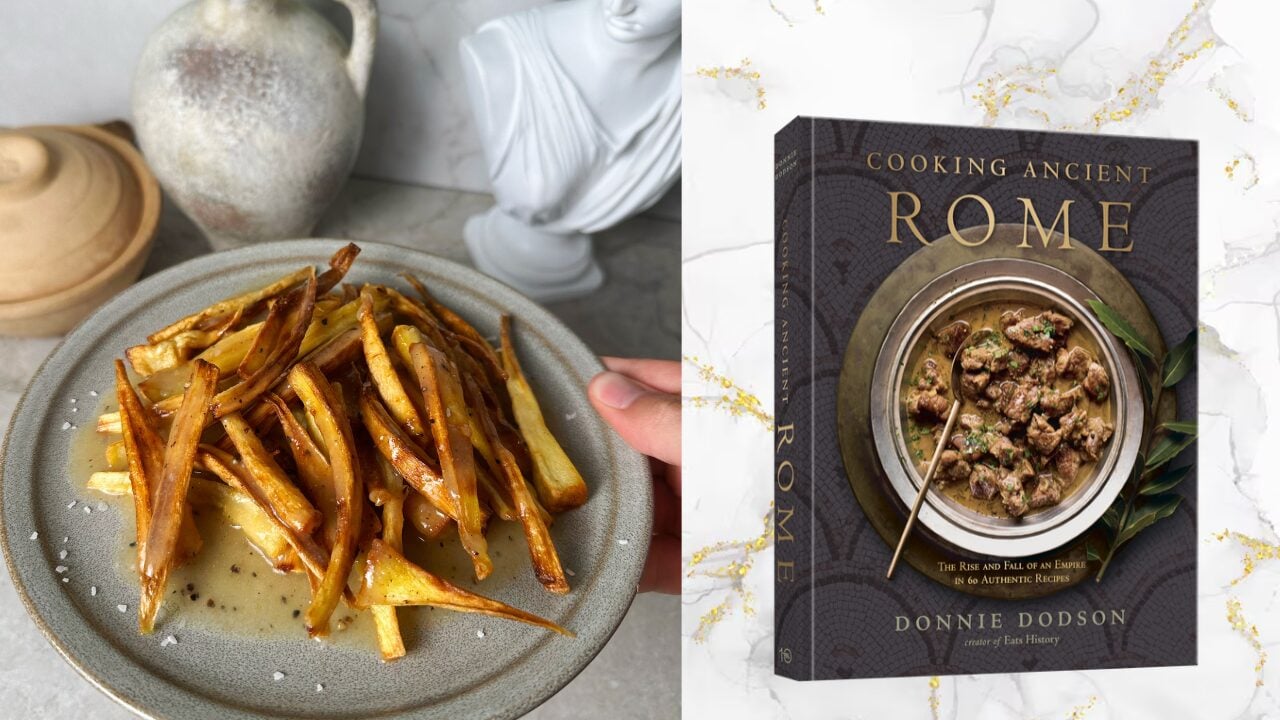
COOKING ANCIENT ROME IS AVAILABLE FOR PRE-ORDER NOW!!!!
My debut cookbook, from Ten Speed Press and Penguin Random House, arrives in March 2027. It’s a hardcover collection of ancient Roman recipes, adapted for modern kitchens, and the fried parsnips below are one of them.
Pre-order Cooking Ancient Rome here!
The Greatest Empire in the Ancient World Had No French Fries
Next week
I cook these before I write them. Some of it never makes the post.
The failures, the source documents, the version that actually tasted good. That part goes out by email, and next week’s is already on the stove.
 Written and cooked by Donnie
Imagine the greatest empire in the ancient world, and not a single french fry. The Romans had legions, aqueducts, and emperors. They had no golden arches, no paper sleeve of hot, salty fries, and no potatoes at all. The potato comes from the Andes and did not reach Europe until the 1500s, more than a thousand years after Rome fell.
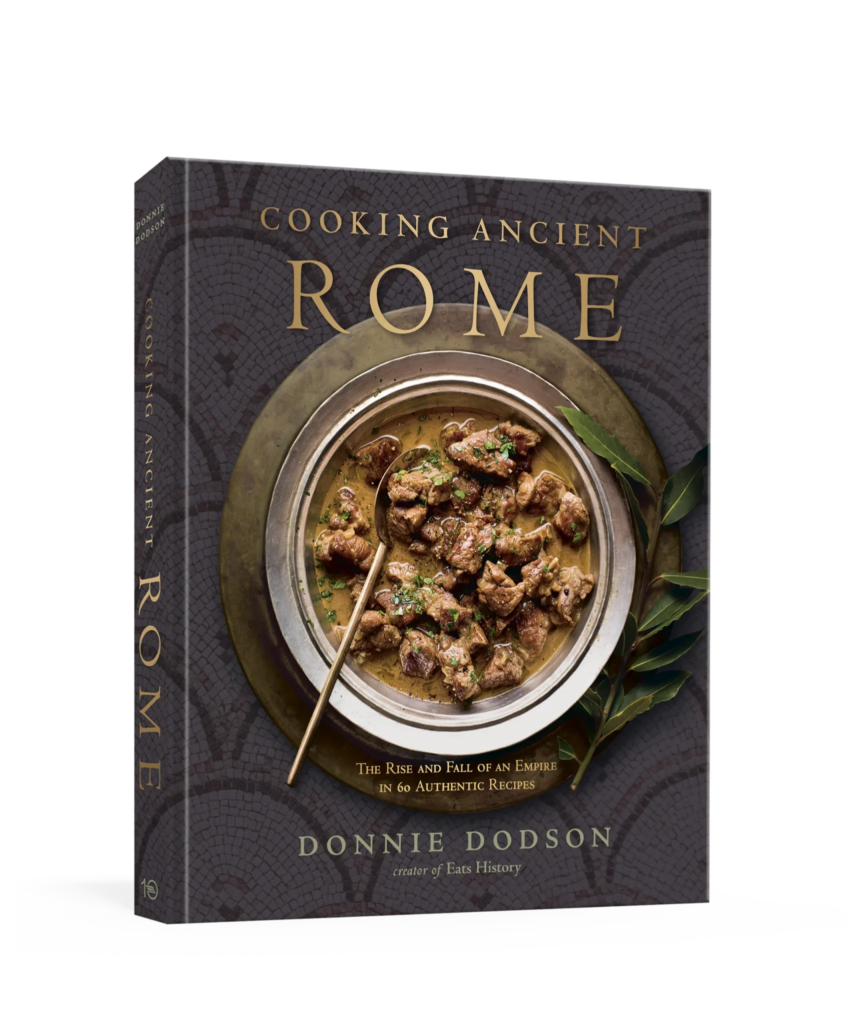
But they did try. The oldest cookbook that survives from the ancient world, De Re Coquinaria, has a recipe for fried root vegetables served with a sauce. It is about as close to a french fry as Rome ever got, and I made it.
The Recipe in Apicius: One Sentence
The recipe is in Book III of Apicius, “The Gardener,” chapter XXI. Its title is Carotae et pastinacae, “Carrots and Parsnips,” and the whole instruction, in Vehling’s 1936 translation, reads: “Carrots or parsnips are fried and served with a wine sauce.”
That is all there is. Apicius gives no amounts, no cooking time, and no shape, so cutting the parsnips into sticks is my modern interpretation. The cookbook is attributed to Marcus Gavius Apicius, a famous gourmet from the age of the Emperor Tiberius, though the surviving collection was assembled later. It is the oldest collection of recipes to survive from antiquity.
Parsnip or Carrot?
The Latin hides a small puzzle. The Romans used one word, pastinaca, for both parsnips and carrots, and scholars have trouble telling them apart in ancient writing. The carrots of that world were not orange. Botanists Zohary and Hopf note they were white or purple in Roman times. So the recipe works with either, and I chose parsnips because they fry up sweet and hold their shape.
A Roman Love of Fried Vegetables
Frying vegetables was normal in Apicius, not a one-off. He fries gourd and serves it with a simple wine sauce. He fries cow-parsnips and serves them with a simple wine sauce. And for parsnips he offers a plainer option: fry them in oil, sprinkle with salt and pepper, and serve. If that doesn’t sound like the ancestor of a side of fries, I’m not sure what does.
Who Was Eating This?
The text doesn’t say, so I’ll stay careful. This is a cookbook for households with cooks, olive oil, wine, and access to ingredients like garum, so it describes food for people with some means. We do know Roman elites cared about their root vegetables.
Pliny tells us that Tiberius demanded a yearly supply of a related root, skirret, from a fort on the Rhine, and that honeyed wine was thought to bring out its flavor. I can’t tell you which Romans ate fried parsnips, but the table this recipe belonged to took its roots seriously.
The Sauce
Apicius calls only for “a wine sauce,” and the Latin suggests oenogarum, wine combined with garum, the Roman fermented fish sauce. My version is a honey and wine reduction, a sweet and savory dip in the spirit of the honeyed wine sauces the Romans loved, and found in many other dishes in De Re Coquinaria.
Why Pre-Orders Matter
If you’ve enjoyed this recipe, here is the most useful thing you can do for me, and it costs you nothing extra: pre-order Cooking Ancient Rome. Here is why it’s such a big deal.
- Pre-orders tell the publisher and booksellers the book is wanted. Print runs, store placement, and marketing decisions are shaped by early demand.
- They count toward launch week. Pre-orders are credited when the book is released, which is what gives a book its strongest possible debut and its best shot at the bestseller conversation.
- A strong launch affects what comes next. For a first-time cookbook author, early numbers help shape whether there’s a second book.
I’m proud of this book, and every pre-order helps it reach more kitchens.
Pre-order Cooking Ancient Rome here
My Rating: 8.8/10
Recipe: Parsnip Fries
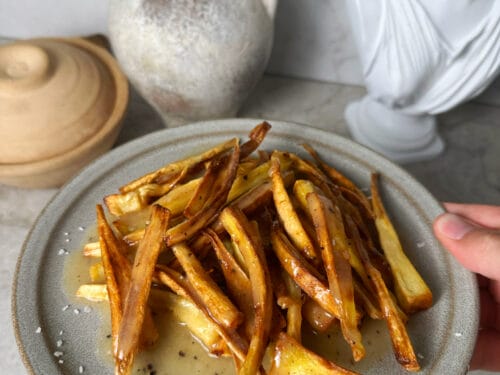
Parsnip Fries & Honey Wine Sauce

Don’t lose this one.
I’ll email it to you so it’s waiting when you’re ready to cook.