Imagine dining like an ancient Roman, indulging in a dish that seamlessly blends sweet and savory flavors. Patina de piris, a baked custard made with pears, spices, and honey, exemplifies the refined tastes of Rome’s elite.
This dish offers modern food enthusiasts a unique opportunity to connect with history through a taste of the past.
Origins of the Recipe
The origins of patina de piris can be traced back to De Re Coquinaria, a collection of Roman culinary recipes attributed to Apicius. This cookbook, which has survived through the centuries, provides invaluable insights into the sophisticated and diverse food culture of ancient Rome.
Apicius’ recipes reveal that Romans had a keen understanding of how to balance flavors and create dishes that delighted the senses, and patina de piris is a testament to that mastery.
Next week
I cook these before I write them. Some of it never makes the post.
The failures, the source documents, the version that actually tasted good. That part goes out by email, and next week’s is already on the stove.
 Written and cooked by Donnie
Who and Where It Was Enjoyed in the Empire
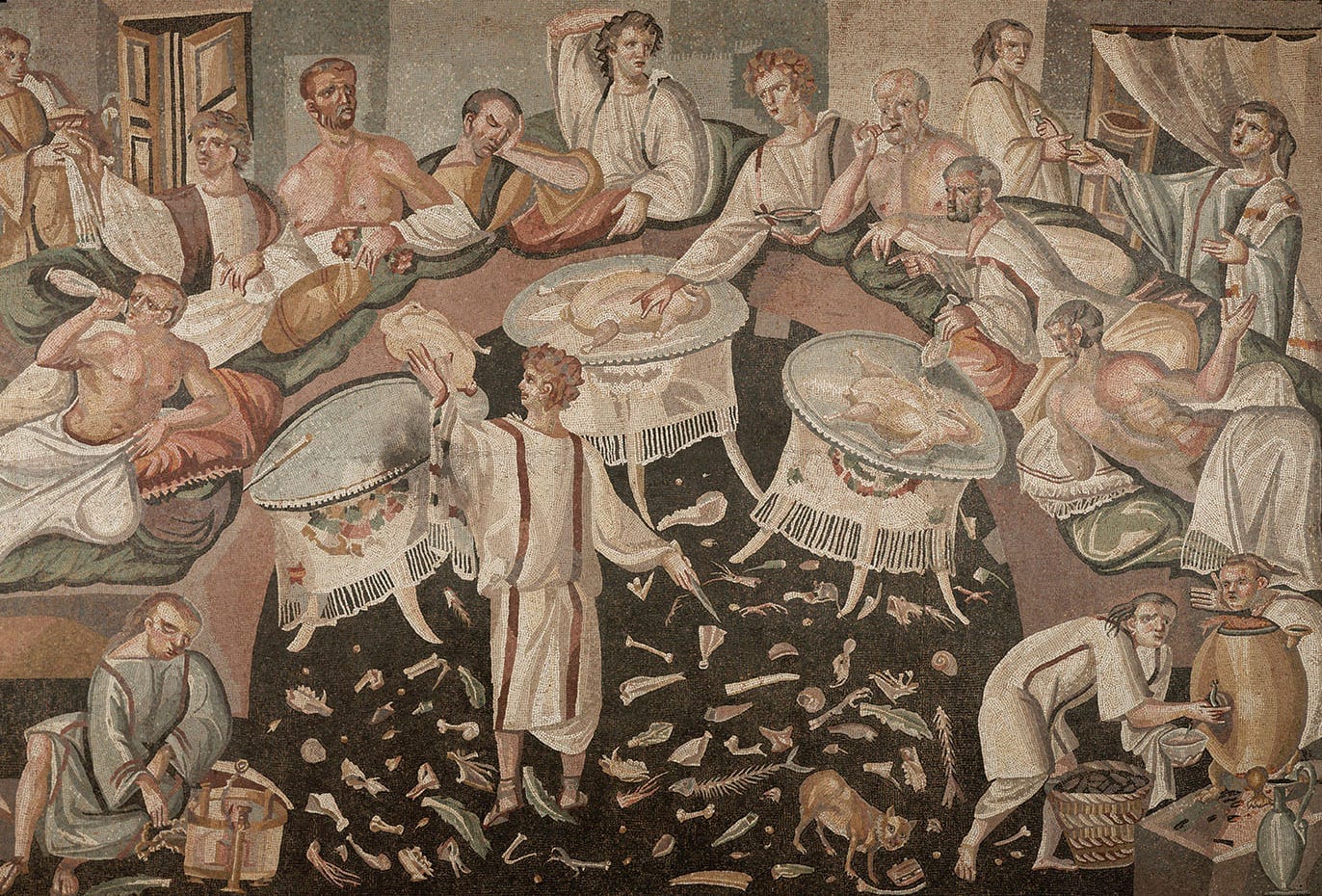
The patina de piris was a dish primarily enjoyed by the wealthy upper classes of Roman society. It was typically served at grand feasts and banquets hosted by aristocrats who sought to showcase their affluence and taste.
The dish likely originated in the heart of Rome but would have been found in the more prosperous provinces, such as Campania, where agricultural abundance and cultural sophistication thrived. The ability to include ingredients like honey, spices, and garum demonstrated not just culinary skill but access to luxury items that underscored the host’s wealth and status.
The Secunda Mensa
The patina de piris would have been served as part of the secunda mensa, or the second course of a Roman meal. This course typically featured sweet and fruit-based dishes that provided a fitting end to a lavish feast.
The second course was an opportunity for hosts to display their culinary prowess and introduce guests to the delights of fruits, honey, nuts, and spiced dishes. The inclusion of such an intricate dish as patina de piris would have been a highlight, leaving diners satisfied and impressed.
Recipe for Patina de Piris:

Patina de Piris

Don’t lose this one.
I’ll email it to you so it’s waiting when you’re ready to cook.
Ingredients
Instructions
Video
Notes
- Modern Garum Substitute: If you don’t have garum, high-quality fish sauce makes an excellent substitute for adding depth and umami to the dish.
- Pears Texture: Ensure the pears are cooked until just tender before baking to prevent them from becoming overly mushy.
- Adjusting Sweetness: You can modify the amount of honey and raisin wine to suit your preferred level of sweetness. For a sweeter profile, consider adding an extra tablespoon of honey.