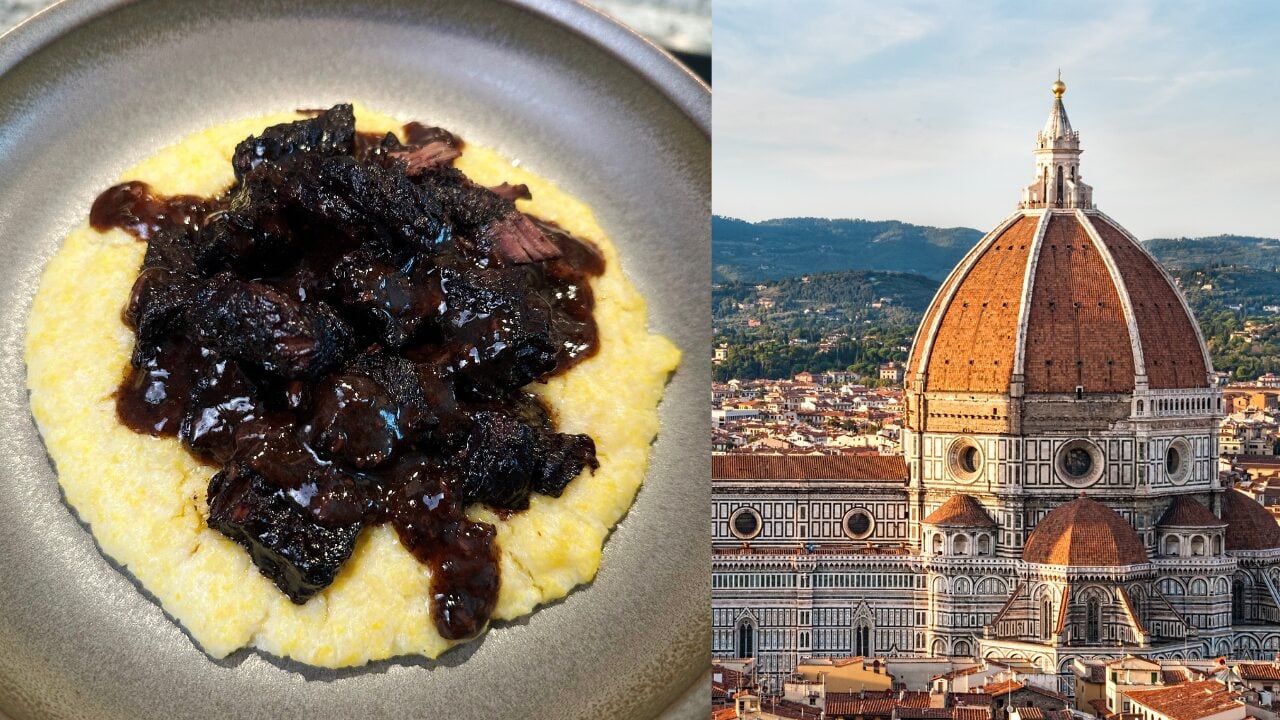
Some recipes are all about technique. Peposo is about restraint. It has six ingredients: beef, black pepper, garlic, red wine, olive oil, and salt. You brown the meat, toast the garlic and pepper, pour in a lot of Chianti, and walk away for a few hours. What comes out is dark, glossy, and deeply savory, the kind of stew that tastes like it took a week.
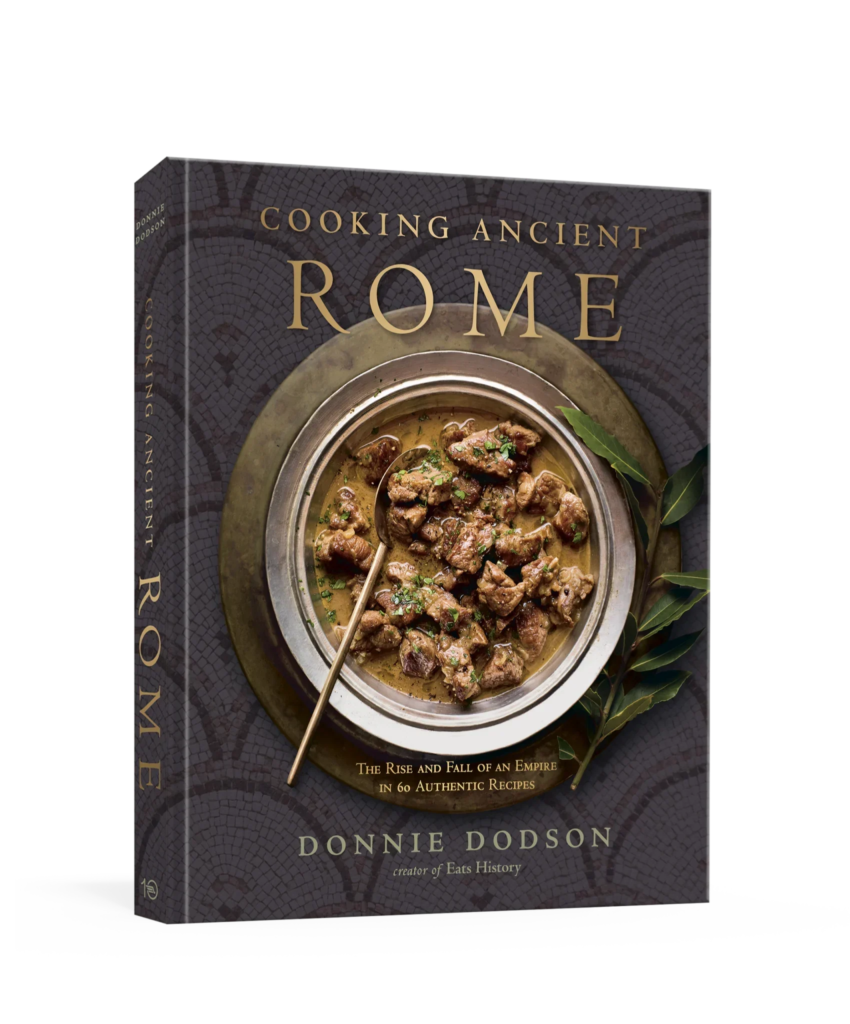
Hey, my first cookbook, Cooking Ancient Rome, is now available for pre-order!!! Check it out!
The name comes from pepe, pepper, and the pepper is the star. Tradition says the dish is more than 600 years old and was born in the kilns of a small Tuscan town. I made it this week and gave it a 9.1 out of 10. Here is where it comes from, how much of the story is really documented, and how to make it.
The Origin: The Kiln Workers of Impruneta
Next week
I cook these before I write them. Some of it never makes the post.
The failures, the source documents, the version that actually tasted good. That part goes out by email, and next week’s is already on the stove.
 Written and cooked by Donnie
Peposo is tied to Impruneta, a town just south of Florence on the road into Chianti, famous for centuries for its terracotta. Its full traditional name, peposo alla fornacina or peposo dell’Impruneta, refers to the kiln, the fornace. The story is that the kiln workers, the fornaciai, would put a terracotta pot of beef, wine, garlic, and pepper near the mouth of the kiln at the start of their shift. While they fired tiles and bricks all day, the stew cooked slowly beside them. By lunchtime, dinner was ready, with no one needing to stop and watch the pot.
It is a lovely image, and it makes sense: a dish that needs hours of low heat and almost no attention, in a place with a fire already burning. The town still celebrates it. Impruneta has a peposo festival each September, and the local municipality and the Italian Academy of Cuisine have registered a version of the recipe under the name peposo all’Imprunetina.
The Dome Story: Legend vs. Record
The most famous part of the story ties peposo to one of the great buildings of the Renaissance. In 1420, the architect Filippo Brunelleschi began work on the dome of Florence’s cathedral, Santa Maria del Fiore, and the dome’s structure was completed in 1436. Impruneta terracotta is associated with the project. According to the legend, Brunelleschi noticed the kiln workers’ stew, loved it, and decided to feed his own crew with it. In the most popular version, he set up a kind of canteen on the construction site, hoisting jars of peposo and wine up the scaffolding so workers would stop wandering down to taverns at lunch and coming back late and tipsy.
Here is the honest part. That is a legend. A wine writer who looked into the story wrote that, beyond the great story, he could find no documentary source for it. The kiln-worker origin is widely repeated, and the Brunelleschi episode is folklore rather than documented record. I enjoy it and I will tell it, but I will tell it as a story people tell.
One more thing makes me careful. Peposo is often described as cheap food for poor workers, but black pepper was still an imported spice in 15th-century Italy, so the pepper-heavy recipe is a little puzzling for a supposedly humble dish. The legend does not explain that, and neither do I.
Why Six Ingredients Taste Like So Much More
The reason peposo works comes down to simple food science. A tough, collagen-rich cut of beef, traditionally shin and in my case chuck, breaks down over a long, slow simmer into tender, silky meat, and the collagen thickens the sauce. Browning the beef first builds a deep, savory base. Toasting the garlic and pepper in the oil for a minute or two wakes up their aroma before the wine goes in. Then the wine does the heavy lifting: as it reduces, it concentrates into a dark, glossy sauce, while the whole garlic cloves soften and turn sweet.
There is no tomato in the traditional version, and that is part of the historical point, since tomatoes did not reach Tuscan cooking until well after the 1420s. Modern home cooks often add a little, but peposo’s flavor is all beef, wine, pepper, and garlic.
My Rating
The first thing you notice is the pepper, warm and lingering rather than sharp. Then comes the wine, rich and slightly tangy, wrapped around beef so tender it falls apart. The garlic cloves have gone soft and sweet, and the sauce is dark and glossy. It is a stew that tastes far more complex than six ingredients should allow.
Rating: 9.1 / 10
It is easy, forgiving, and hard to get wrong. The only cost is time.
The Recipe: Peposo (Tuscan Peppered Beef Stew)
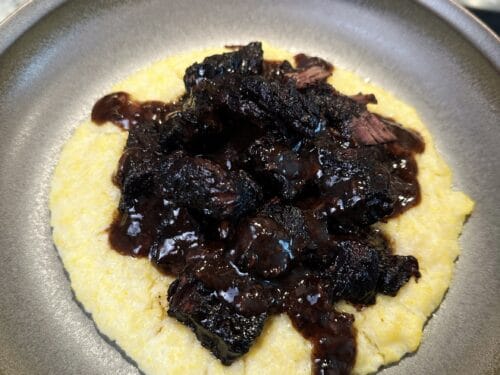
Peposo (Tuscan Peppered Beef Stew)

Don’t lose this one.
I’ll email it to you so it’s waiting when you’re ready to cook.
Ingredients
Instructions
Notes
- Pepper: Freshly ground is best. If you want the flavor without the bite, tie the crushed pepper in a piece of cheesecloth so you can remove it before serving.
- Cut of beef: Shin or shank is the traditional choice. Chuck works well and is easier to find.
- Wine: Use something you would happily drink, ideally Chianti.