The holiday season has always been a time to celebrate, share, and indulge, but have you ever wondered where some of our modern Christmas traditions began? The Roman festival of Saturnalia, a week-long celebration dedicated to Saturn, the god of agriculture and time, is one of the earliest and most fascinating examples of holiday revelry.
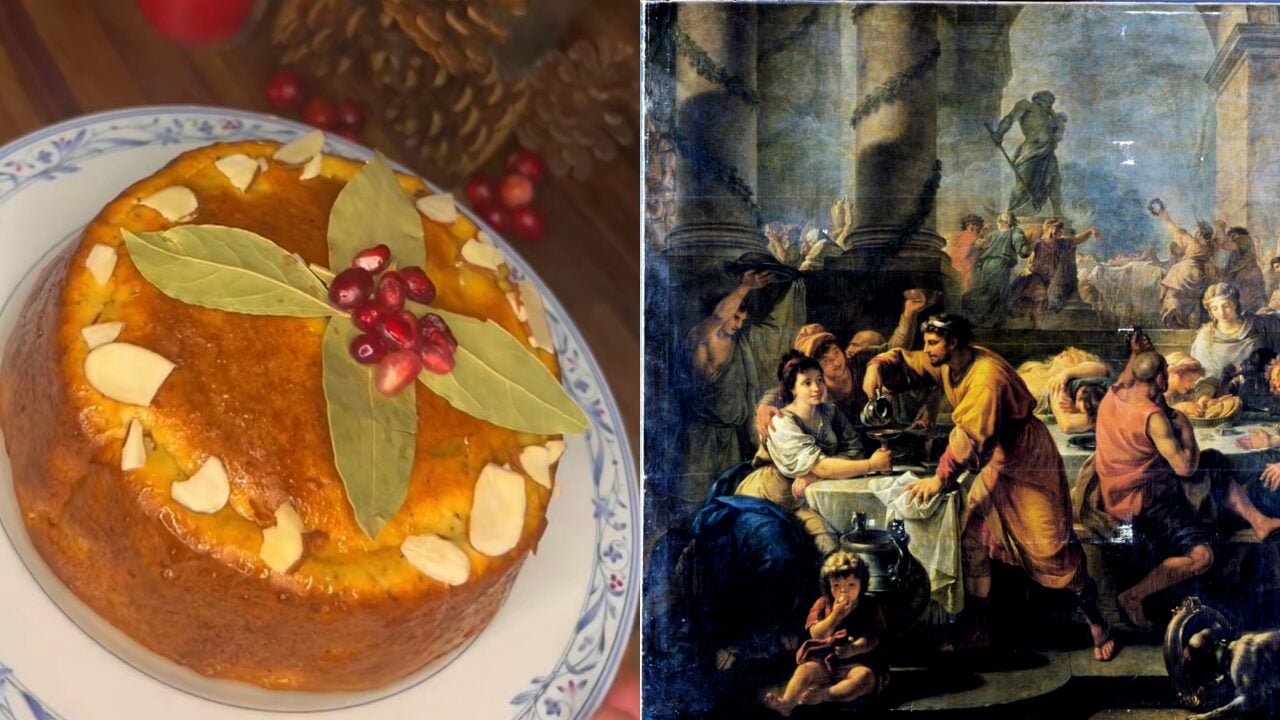
This blog post explores the customs of Saturnalia, its surprising similarities to modern Christmas, and how you can bring a taste of ancient Rome to your holiday table with Dulcia Pipirata, a spiced honey cake that delighted Roman palates.
For more historical holiday recipes like this one, check out my 25 Historical Recipes of Christmas Mini E-Cookbook. From Saturnalia to modern Filipino Christmas feasts, it’s a journey through 12 eras of festive history that will make your holiday table a celebration of the ages.
The Roman Festival of Saturnalia
Saturnalia, one of the most anticipated festivals of ancient Rome, was a week-long celebration dedicated to Saturn, the god of agriculture, wealth, and time. Held annually from December 17th to December 23rd, it marked the end of the agricultural year and the arrival of the winter solstice—a pivotal moment symbolizing the renewal of light and life.
Next week
I cook these before I write them. Some of it never makes the post.
The failures, the source documents, the version that actually tasted good. That part goes out by email, and next week’s is already on the stove.
 Written and cooked by Donnie
For Romans, Saturnalia was a time to honor Saturn’s reign, believed to have been a golden age of peace and prosperity when equality and abundance reigned supreme.
During Saturnalia, societal norms were temporarily upended in a joyous spirit of role reversal and liberation. Slaves were given unusual freedoms, dining at the same table as their masters and often being served by them. Citizens exchanged simple but meaningful gifts, such as candles, pottery, and small tokens, symbolizing light, friendship, and goodwill. Schools and businesses closed, and courts halted proceedings to ensure that everyone could partake in the revelry.
Homes were decorated with greenery, such as laurel and holly, creating a festive atmosphere akin to the Christmas decorations of today. Streets were alive with the sounds of music, laughter, and merriment, as Romans hosted banquets and feasts that stretched long into the night. Public ceremonies included sacrifices and offerings at Saturn’s temple, followed by communal meals that embodied the communal spirit of the festival.
The carefree and egalitarian nature of Saturnalia provided a welcome escape from the rigid structure of Roman society. It was a time to embrace community, celebrate abundance, and share in the joys of life—values that resonate with modern holiday traditions.
Saturnalia’s Influence on Modern Christmas
The parallels between Saturnalia and modern Christmas are striking, and not just in the timing of the holidays. The practice of exchanging gifts, decorating homes with greenery, and gathering with loved ones for feasts all find their roots in Saturnalia. Even the emphasis on joy, community, and generosity reflects the Roman festival’s legacy.
As Christianity spread across the Roman Empire, many Saturnalian customs were absorbed into Christmas celebrations, helping to ease the transition for pagan communities. The Roman penchant for revelry, goodwill, and indulgence merged seamlessly with the Christian message of hope, love, and renewal, creating the holiday traditions we cherish today.
Saturnalia’s lasting influence reminds us that the joy of the holiday season transcends time and culture. It speaks to the universal human desire to celebrate togetherness, express gratitude, and welcome the promise of a new beginning. Whether through the laughter of a family gathering or the sharing of a meal, these echoes of Saturnalia continue to enrich our modern celebrations.
By revisiting Saturnalia through the lens of history—and the flavors of a dish like Dulcia Pipirata—we can reconnect with the roots of holiday traditions that have united people for centuries.
Dulcia Pipirata Recipe: A Roman Holiday Treat
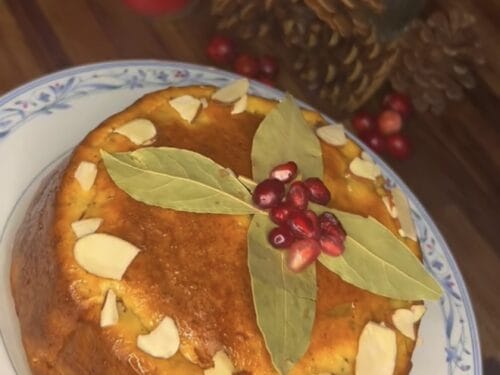
One of the delightful culinary creations of Saturnalia was Dulcia Pipirata, a spiced honey cake. This dessert exemplifies Roman ingenuity, combining sweetness and spice to create a richly flavored treat.
Its name translates to “peppered sweets,” referring to the addition of black pepper—a prized spice in Roman cuisine. Sweetened with honey and flavored with nuts and dried fruits, this cake is a simple yet sophisticated way to bring ancient Rome into your home this holiday season.
Dulcia Pipirata

Don’t lose this one.
I’ll email it to you so it’s waiting when you’re ready to cook.
Ingredients
Instructions
Video
Notes
- Authentic Flour Options:
For a more authentic Roman experience, use spelt or whole wheat flour instead of plain white flour. These ancient grains were staples of Roman baking and will add a slightly nutty flavor and hearty texture to your honey cakes.
- Wine Substitution:
If using sweet white wine, opt for varieties like Moscato or Riesling for their floral and fruity notes. If you prefer non-alcoholic options, white grape juice with a splash of lemon juice will replicate the tangy sweetness of the wine.