Russian cuisine is known for its hearty and comforting dishes, and Shchi soup is no exception. This traditional cabbage soup has been a staple in Russian households for centuries. In this post, we’ll explore the history of Shchi soup, its connection to the Battle of Stalingrad, and provide a detailed recipe so you can enjoy this historical dish.
A Brief History of Shchi Soup
Shchi is a traditional Russian soup made primarily from cabbage. It dates back to the 9th century when cabbage was first introduced to Russia. Over the centuries, Shchi has become a beloved dish, often associated with Russian culture and heritage. The soup is known for its versatility, as it can be made with a variety of ingredients, including meat, mushrooms, and various vegetables.
The Battle of Stalingrad
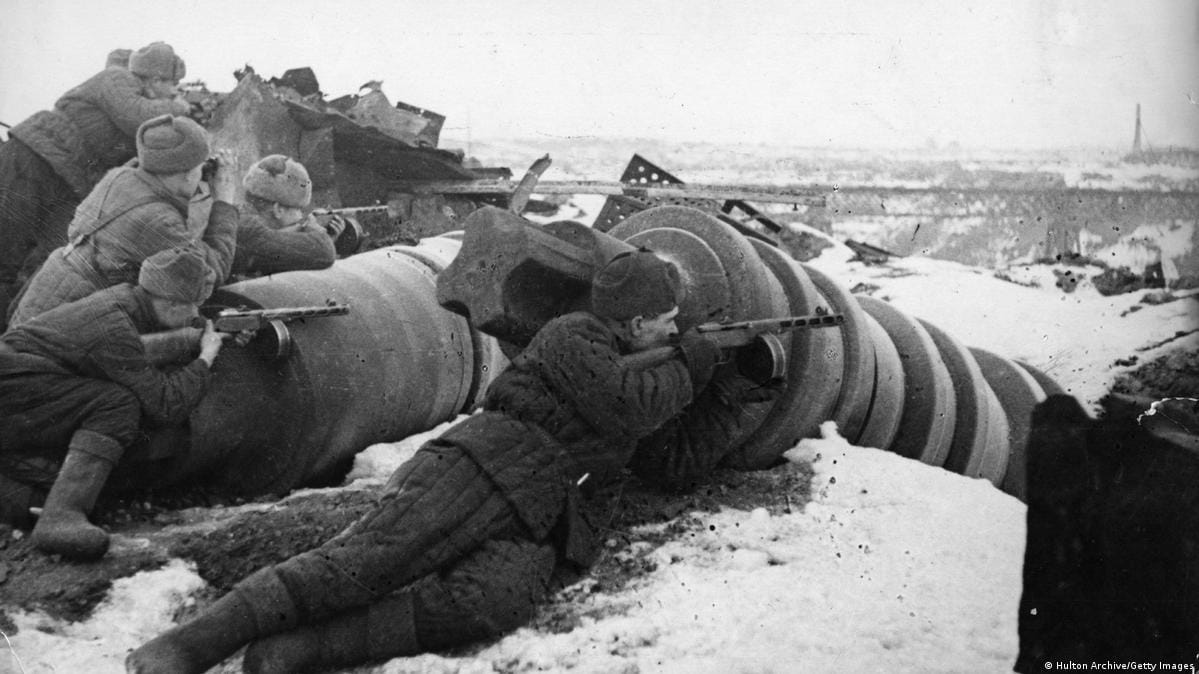
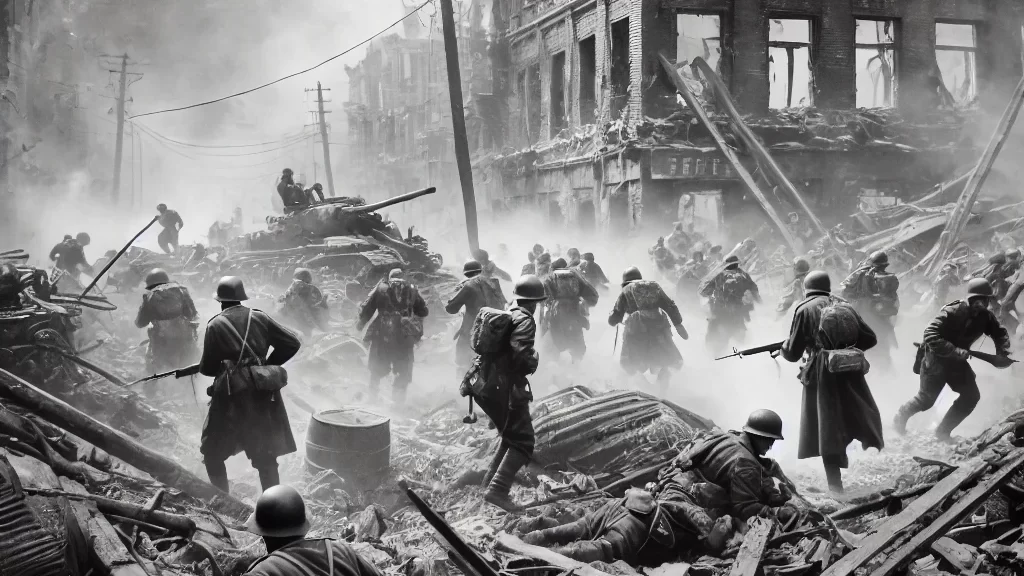
The Battle of Stalingrad, one of the most significant battles of World War II, took place between August 23, 1942, and February 2, 1943. This brutal battle marked a turning point in the war, as the Soviet Union successfully defended the city of Stalingrad (now Volgograd) against the invading German forces.
Next week
I cook these before I write them. Some of it never makes the post.
The failures, the source documents, the version that actually tasted good. That part goes out by email, and next week’s is already on the stove.
 Written and cooked by Donnie
The battle was characterized by intense urban warfare and significant casualties on both sides. The Soviet victory at Stalingrad was a major turning point in the war, leading to the eventual defeat of Nazi Germany.
The Role of Shchi Soup During the Battle
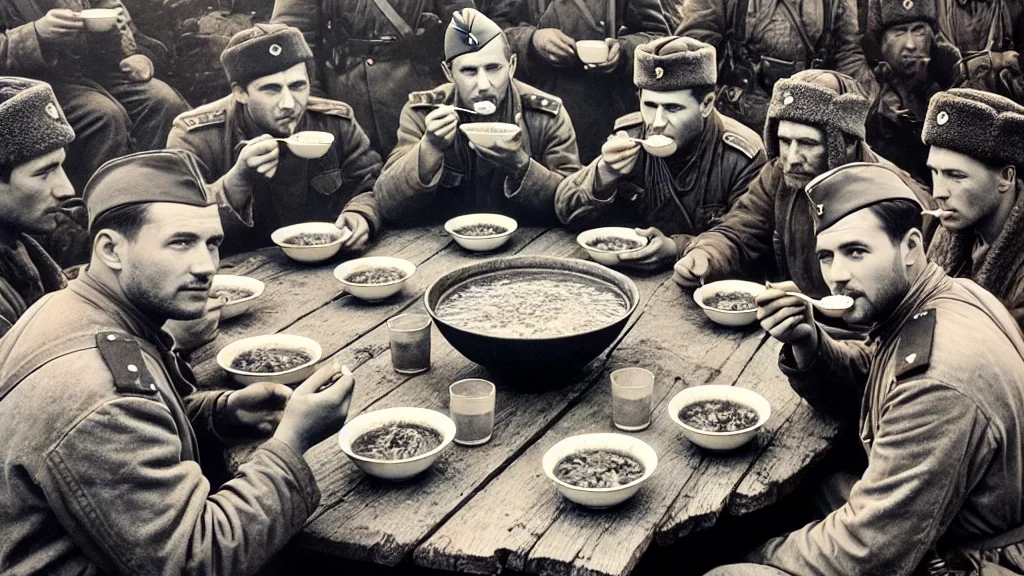
A Source of Sustenance and Morale
During the harsh winter months of the battle, Russian soldiers relied on hearty and nourishing foods like Shchi to sustain them. The simple yet robust ingredients of Shchi—cabbage, potatoes, and meat—provided essential nutrients and warmth in the freezing conditions. The soup was not only a source of sustenance but also a morale booster for the soldiers, reminding them of home and providing comfort amid the harsh realities of war.
Adaptability in Scarce Conditions
In the besieged city, food supplies were scarce, and the soldiers had to make do with what was available. Shchi, with its adaptable recipe, allowed for various substitutions based on what ingredients were on hand.
The ability to prepare a filling meal from limited resources made Shchi an invaluable dish for the troops. The communal aspect of preparing and eating Shchi also helped foster a sense of camaraderie among the soldiers, strengthening their resolve to defend their homeland.
Symbol of Resilience
The resilience and ingenuity of the Russian soldiers in making the most of their limited food supplies were exemplified in dishes like Shchi. This traditional soup, deeply rooted in Russian culture, became a symbol of endurance and perseverance during one of the most grueling battles of the war.
The warmth and nutrition provided by Shchi played a crucial role in sustaining the Soviet troops throughout the long and arduous winter of the Battle of Stalingrad.
If you’re enjoying my work, consider checking out Eats History Shop for my e-cookbooks!
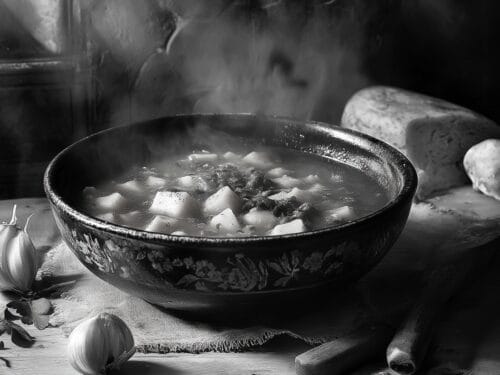
Stalingrad Shchi Soup

Don’t lose this one.
I’ll email it to you so it’s waiting when you’re ready to cook.