Soup Joumou, a rich and hearty pumpkin soup, holds a special place in the heart of Haitian culture and history. More than just a meal, this dish symbolizes the resilience and triumph of the Haitian people over French colonial rule.
This post delves into the story behind Soup Joumou, its significance in the Haitian Revolution, and how you can bring a taste of this powerful history into your kitchen.
The Haitian Revolution: A Turning Point in World History
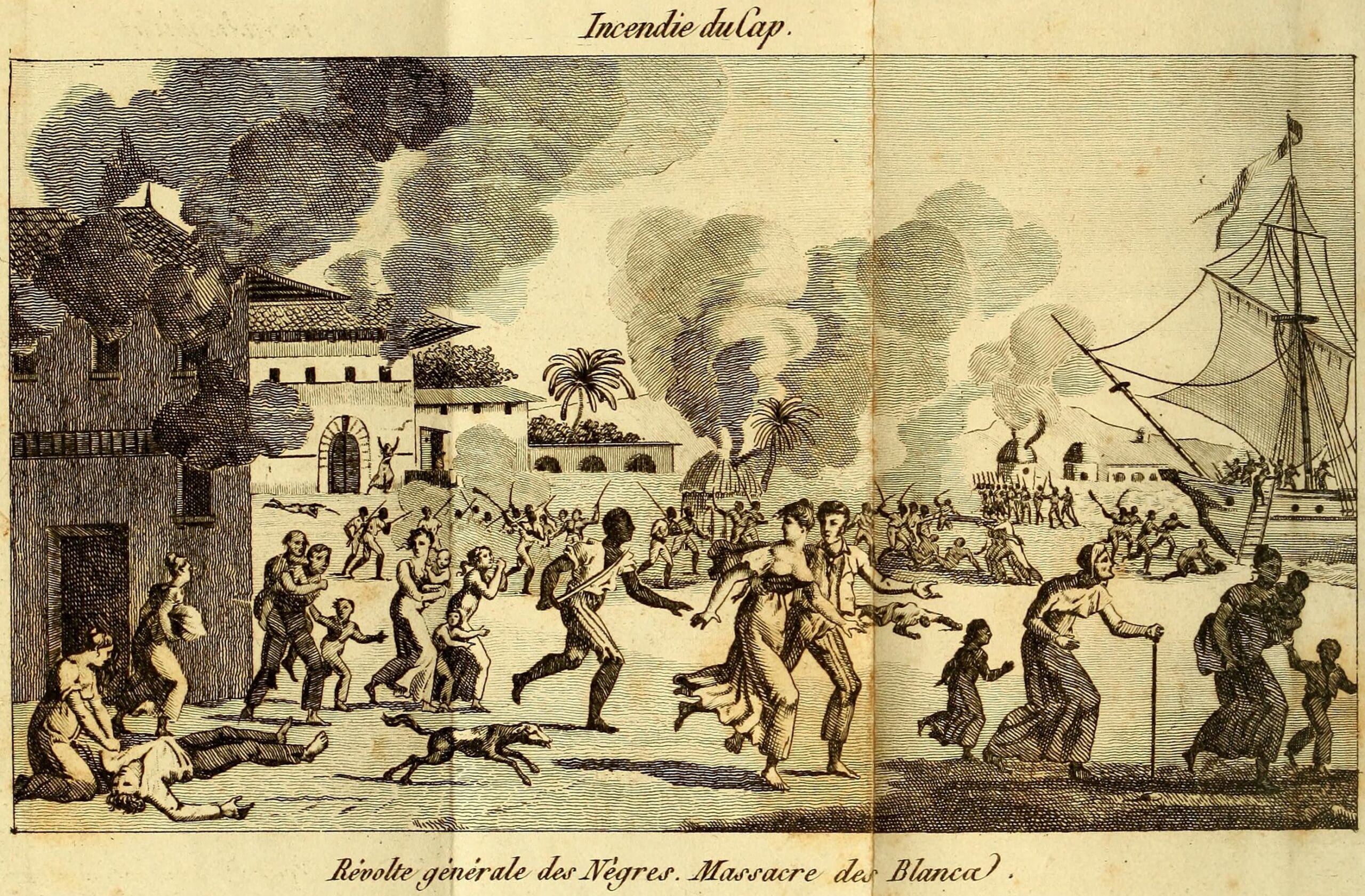
The Haitian Revolution, which began on August 21, 1791, and lasted until January 1, 1804, stands as one of the most significant and impactful revolutions in world history.
It was a revolutionary movement driven by the enslaved African population on the island of Saint-Domingue, now known as Haiti, against the oppressive French colonial rule.
Next week
I cook these before I write them. Some of it never makes the post.
The failures, the source documents, the version that actually tasted good. That part goes out by email, and next week’s is already on the stove.
 Written and cooked by Donnie
This revolution didn’t just change the fate of Haiti—it sent shockwaves throughout the world, challenging the very foundation of slavery and colonialism.
The Roots of Rebellion: The Harsh Realities of Colonial Saint-Domingue
In the late 18th century, Saint-Domingue was the most prosperous colony in the Caribbean, largely due to its lucrative sugar, coffee, and indigo plantations. However, this wealth was built on the backs of the enslaved Africans who made up the majority of the population.
The conditions were brutal; enslaved people faced severe punishment, backbreaking labor, and a life of constant dehumanization. This environment of extreme oppression and exploitation was the catalyst for the revolution.
Key Figures: Leaders of the Haitian Revolution
The Haitian Revolution was marked by the leadership of several key figures, each contributing to the eventual success of the uprising:
- Toussaint L’Ouverture: Often referred to as the “Black Napoleon,” L’Ouverture was a former enslaved person who rose to prominence as the leader of the Haitian Revolution. A brilliant military strategist and diplomat, he played a crucial role in organizing the revolt and negotiating with the French government.
- Jean-Jacques Dessalines: After the capture of L’Ouverture by the French in 1802, Dessalines emerged as the leader of the revolution. He led the final push against the French forces, culminating in the declaration of Haitian independence in 1804. Dessalines became the first ruler of independent Haiti, adopting the title of Emperor Jacques I.
- Henri Christophe: Another key leader, Christophe was instrumental in the northern campaign against the French. After independence, he became a prominent political figure, eventually declaring himself King of the northern part of Haiti.
The Struggle for Independence: Battles and Strategies
The revolution was not a single event but a series of sustained campaigns and battles fought across the island. The enslaved population employed guerrilla warfare tactics, taking advantage of the island’s terrain and their knowledge of it.
Despite facing well-armed French troops, the revolutionaries used their determination and superior strategy to gain the upper hand gradually.
The French attempted to quell the rebellion multiple times, even reinstating slavery after it had been abolished in the early stages of the revolution. However, the resilience of the Haitian forces, combined with the impact of diseases like yellow fever on French troops, ultimately led to the collapse of French colonial rule.
The Birth of a Nation: Haiti’s Independence
On January 1, 1804, Jean-Jacques Dessalines declared Haiti’s independence, making it the first black republic and the first independent nation in Latin America and the Caribbean.
This victory was a monumental achievement, not just for Haiti but for oppressed peoples around the world. It was a defiant rejection of slavery and colonialism and a bold statement of the right to freedom and self-determination.
The Global Impact: Ripple Effects of the Haitian Revolution
The Haitian Revolution had profound implications beyond the island’s shores. It struck fear into the hearts of slaveholding nations, leading to increased repression in some regions but also inspiring abolitionist movements across the globe.
The revolution directly influenced the Louisiana Purchase, as Napoleon, defeated in Haiti, decided to sell French territories in North America to the United States.
Moreover, Haiti’s independence had a symbolic impact, serving as a beacon of hope for enslaved and colonized peoples worldwide. It demonstrated that a united and determined group could overthrow even the most entrenched systems of oppression.
Soup Joumou Explained
Soup Joumou, also known as “freedom soup,” was a dish reserved for French colonists during the time of slavery. Enslaved Africans were forbidden from eating it, even though they were often the ones preparing it.
The soup, made from pumpkin, vegetables, meat, and spices, represented the wealth and privilege of the colonial rulers.
After the revolution, the newly freed Haitians claimed Soup Joumou as their own, transforming it into a symbol of liberty and independence.
Every year on January 1st, Haitians around the world celebrate their independence by sharing this soup with family and friends. It serves as a reminder of the strength, unity, and resilience that fueled their fight for freedom.
The Recipe: Making Soup Joumou
Now that we’ve explored the rich history behind Soup Joumou, let’s dive into the recipe itself. This version is designed to be both authentic and approachable, allowing you to experience a taste of Haiti’s proud history.

Soup Joumou

Don’t lose this one.
I’ll email it to you so it’s waiting when you’re ready to cook.