Step back into the lavish courts of the Abbasid Caliphate, where poetry, science, and culinary mastery flourished hand in hand. Among the many delicacies that adorned the tables of this golden era of Islamic history was a dish called Bazmaward.
These stuffed flatbread rolls, rich in flavor and steeped in history, offer a tantalizing glimpse into the opulent dining traditions of medieval Baghdad. Today, we recreate this dish to bring the tastes and stories of the 10th century into our kitchens.
What is Bazmaward?
Bazmaward is a dish of thin, soft flatbreads filled with a spiced mixture of meats, herbs, nuts, and dried fruits. The rolls were often toasted lightly for a warm, crisp exterior and served as an appetizer or snack at grand feasts.
The name Bazmaward derives from the Persian word for “wrapped food,” reflecting the cultural exchanges that defined Abbasid cuisine. The dish’s portable, roll-like form also made it convenient for both formal dining and casual eating.
Next week
I cook these before I write them. Some of it never makes the post.
The failures, the source documents, the version that actually tasted good. That part goes out by email, and next week’s is already on the stove.
 Written and cooked by Donnie
The Source: Kitab al-Tabikh
The recipe for Bazmaward originates from Kitab al-Tabikh (The Book of Dishes), one of the oldest known Arabic cookbooks, written by Ibn Sayyar al-Warraq in the 10th century. This culinary manuscript was more than a collection of recipes—it was a reflection of the era’s rich cultural and intellectual tapestry.
The book compiled dishes from across the Islamic world, blending Persian, Greek, and Arabian culinary traditions. The inclusion of Bazmaward showcases the Abbasids’ fondness for intricate and visually appealing dishes that celebrated the art of cooking.
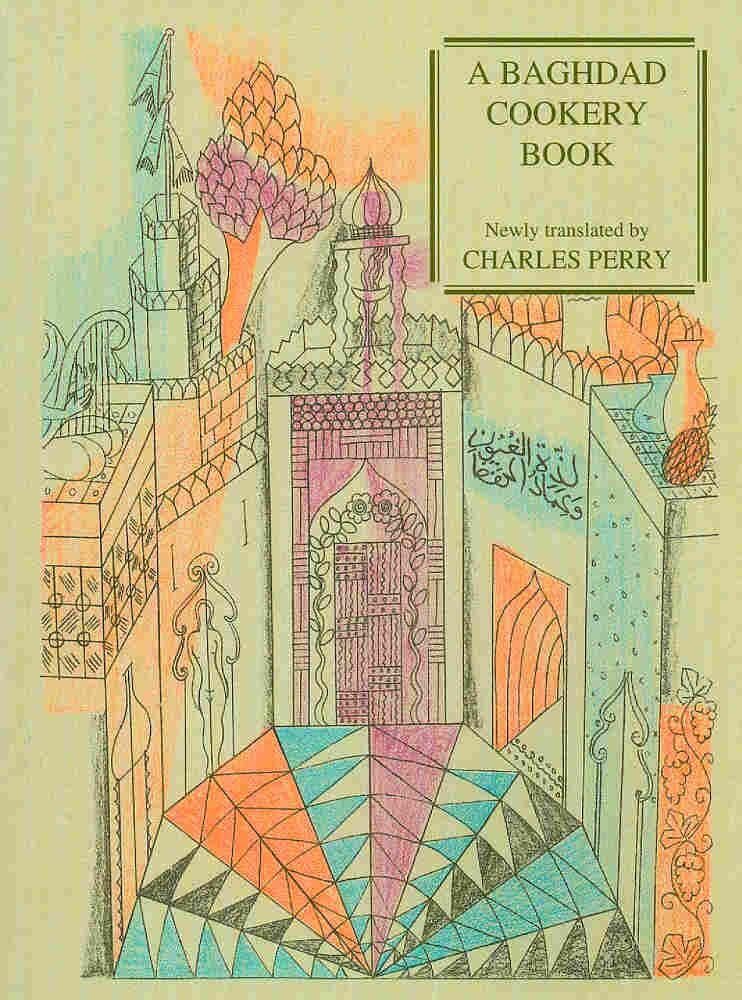
For more ancient Islamic recipes similar to Bazmawurd, check out A Baghdad Cookery Book!
The Abbasid Caliphate: A Golden Age of Culture
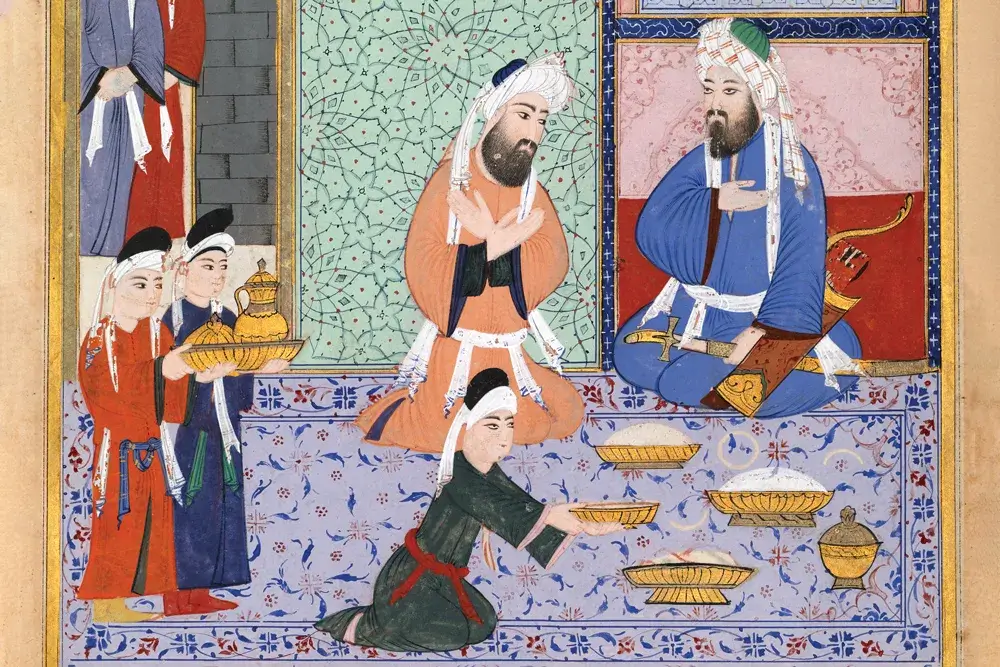
The Abbasid Caliphate (750–1258 CE), with its capital in Baghdad, was a beacon of culture, knowledge, and prosperity. Known as the Islamic Golden Age, this period saw advancements in science, literature, and the arts, including culinary innovation. The Caliphal courts were centers of refinement, where feasts became a medium for displaying wealth, hospitality, and cultural sophistication.
Food was not merely sustenance but a form of storytelling, diplomacy, and artistry. Dishes like Bazmaward highlighted the era’s access to exotic spices, dried fruits, and nuts brought in through vast trade networks that stretched from Spain to India. The intricate preparation of such dishes mirrored the Abbasids’ commitment to excellence in all things, from architecture to gastronomy.
Bazmaward in the Abbasid Court
In the Abbasid courts, feasts were elaborate affairs, attended by poets, scholars, and dignitaries. Bazmaward rolls played an important role in these gatherings, often served as part of a series of small dishes known as meze. These rolls symbolized the host’s sophistication, with their balanced flavors and artful presentation showcasing the pinnacle of culinary skill.
Bazmaward’s versatility also meant it could be tailored to fit the occasion—filled with lamb or chicken for royal feasts or vegetarian ingredients for more austere settings. Its compact, wrapped form made it a perfect offering for guests, blending practicality with indulgence.
Taste Profile
Bazmaward is a symphony of flavors and textures. The soft, slightly chewy flatbread envelops a rich filling of spiced lamb, where cinnamon and coriander add warmth, while crushed nuts like pistachios provide a delicate crunch. Sweetness from dried fruits such as raisins or figs balances the savory and aromatic spices, creating a harmony of sweet, salty, and earthy notes. Fresh herbs like parsley and mint add a vibrant freshness, while a drizzle of olive oil ties the flavors together.
When toasted, the outer layer of the flatbread becomes crisp, adding a satisfying contrast to the tender and flavorful filling. Paired with a cool yogurt dip infused with garlic and herbs, Bazmaward delivers a bite that is simultaneously rich, refreshing, and deeply satisfying.
Bazmawurd Recipe:
Bazmawurd

Don’t lose this one.
I’ll email it to you so it’s waiting when you’re ready to cook.
Ingredients
Instructions

Notes
- Make it Vegetarian: Substitute the spiced lamb filling with a mixture of cooked lentils, chickpeas, or spiced mushrooms for a vegetarian-friendly version while maintaining the rich flavor profile.
- Customize the Herbs and Spices: The original recipe was highly adaptable. Feel free to experiment with different herbs like cilantro or spices like allspice to tailor the flavor to your taste.
- Use Thin Flatbreads: For an authentic texture and easier rolling, use a thin flatbread like lavash. If unavailable, roll homemade flatbread dough very thin to replicate the original style.