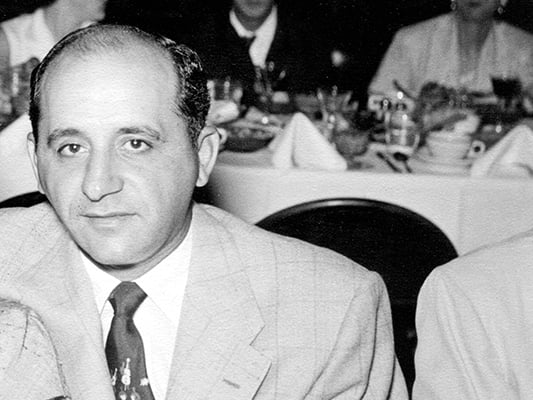
Few figures in American history blend crime, power, and intrigue quite like Sam Giancana. The ruthless mob boss of Chicago’s underworld in the mid-20th century, Giancana’s legacy is stained with violence, political manipulation, and betrayal. His life ended much the way he lived it—suddenly and without mercy. Yet, in his final moments, Giancana wasn’t engaged in a gunfight or a clandestine meeting. Instead, he was in his basement kitchen, preparing a simple, comforting Italian meal.
Beans, greens, garlic, sausage, and a splash of wine—humble ingredients for a man who once wielded immense power. Whether you see it as ironic or fitting, Giancana’s last meal is an ode to his Italian-American roots: hearty, rustic, and unapologetically bold. And now, you can recreate this final chapter yourself.
The Life (and Death) of Sam Giancana
Sam Giancana rose to power in the brutal world of organized crime in Chicago, becoming head of the Outfit during the 1950s and early 1960s. Known for his role in infamous operations like the Valentine’s Day Massacre (though debated by historians) and rumored ties to the Kennedy family and CIA plots against Fidel Castro, Giancana was a man whose influence stretched from the seedy back alleys of Chicago to the highest levels of government.
But power breeds enemies. After returning from exile in Mexico in 1974, Giancana’s life became increasingly isolated. In 1975, as federal prosecutors circled and old alliances crumbled, Giancana was gunned down in his own home. He was cooking dinner at the time, preparing a dish his daughter Antoinette once described with amusement—and a touch of irony—given her father’s brutal reputation.
Next week
I cook these before I write them. Some of it never makes the post.
The failures, the source documents, the version that actually tasted good. That part goes out by email, and next week’s is already on the stove.
 Written and cooked by Donnie
The meal he left behind is simple but telling: a man of immense complication, reaching for the humble comforts of home cooking at the very end.
The Lost Recipe
The recipe for Sam Giancana’s last meal is shrouded in family memory and media fragments. Antoinette Giancana, his daughter, recounted her father’s love of hearty, garlic-laden Italian food in interviews and her memoir, “Mafia Princess.” Somewhere along the way, a New Yorker article captured the basics of the dish—an offhand mention that stuck in the mind of readers who clipped and saved it, long after the exact context faded.
One quote survives from Antoinette herself:
“What I never could understand is why people say Italians are so romantic when they eat all that garlic.”
A fitting remembrance for a man whose life was anything but delicate. This dish, rough around the edges and bursting with flavor, perfectly captures the Giancana paradox: power, violence, but still somehow deeply tied to the traditions of the Italian kitchen.
A Taste of the Old World in Chicago
Italian immigrants brought their flavors and foodways with them to America, and dishes like greens and beans with sausage became staples in Italian-American kitchens across the Midwest. These meals were built on accessible, affordable ingredients—canned beans, hearty greens like escarole, and the ubiquitous Italian sausage seasoned with fennel and spice.
For mobsters and mechanics alike, this kind of food provided grounding—a connection to family, culture, and a simpler world. In Giancana’s case, it may have been a final act of nostalgia: a reminder of his youth in Chicago’s Little Italy, before ambition and violence consumed his life.
Today, this dish remains a classic comfort food, beloved for its speed, heartiness, and punchy flavor.
If you’re enjoying my historical cooking, check out Eating with Empires, which is available now!
Sam Giancana’s Last Meal: Beans, Greens, and Sausage:
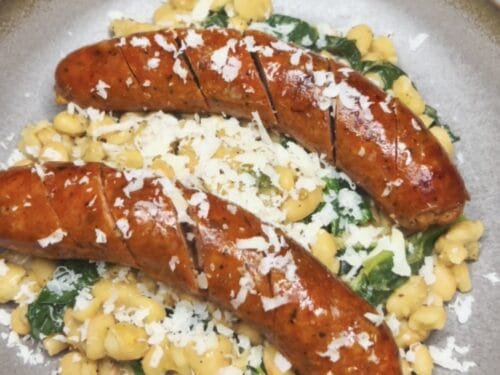
Sam Giancana’s Italian Sausage and Beans

Don’t lose this one.
I’ll email it to you so it’s waiting when you’re ready to cook.