Across the vast stretches of the Tibetan plateau, where icy winds sweep across endless mountains and valleys, one humble food has nourished travelers, monks, and merchants for centuries: tsampa. This roasted barley flour, mixed with butter tea, forms a hearty, portable, and nutrient-rich meal—perfect for survival in the world’s harshest climates.
Today, we’re blending history and flavor by adding dried apricots, inspired by the fruits once carried along the Silk Road. This Silk Road Apricot Tsampa is a tribute to the ancient caravans that crossed from Lhasa to the distant markets of Samarkand and beyond, carrying not just goods, but flavors and stories.
Tibetan Tsampa Flour: Past and Modern
Tsampa is more than a food in Tibet—it is a cultural symbol. Made by roasting barley grains and grinding them into fine flour, tsampa has been the foundation of the Tibetan diet for over a thousand years. In a landscape where agriculture is limited by altitude and cold, barley was the perfect crop: hardy, resilient, and nourishing.
Traditionally, Tibetans would mix tsampa with yak butter tea—a salty, buttery brew essential for energy at high altitudes. The flour could be carried easily in leather pouches, making it the ultimate travel food for nomads, monks, and pilgrims. Even today, tsampa remains a staple in rural Tibetan homes and is revered in Buddhist rituals, where handfuls are tossed into the air during celebrations to symbolize prosperity and peace.
Next week
I cook these before I write them. Some of it never makes the post.
The failures, the source documents, the version that actually tasted good. That part goes out by email, and next week’s is already on the stove.
 Written and cooked by Donnie
In modern times, tsampa has seen a quiet resurgence. Health-conscious eaters around the world have embraced it for its high fiber, low glycemic index, and deep nutty flavor. Whether enjoyed in traditional butter balls or adapted into sweet treats, tsampa connects the modern table to an ancient way of life.
The Silk Roads of Tibet
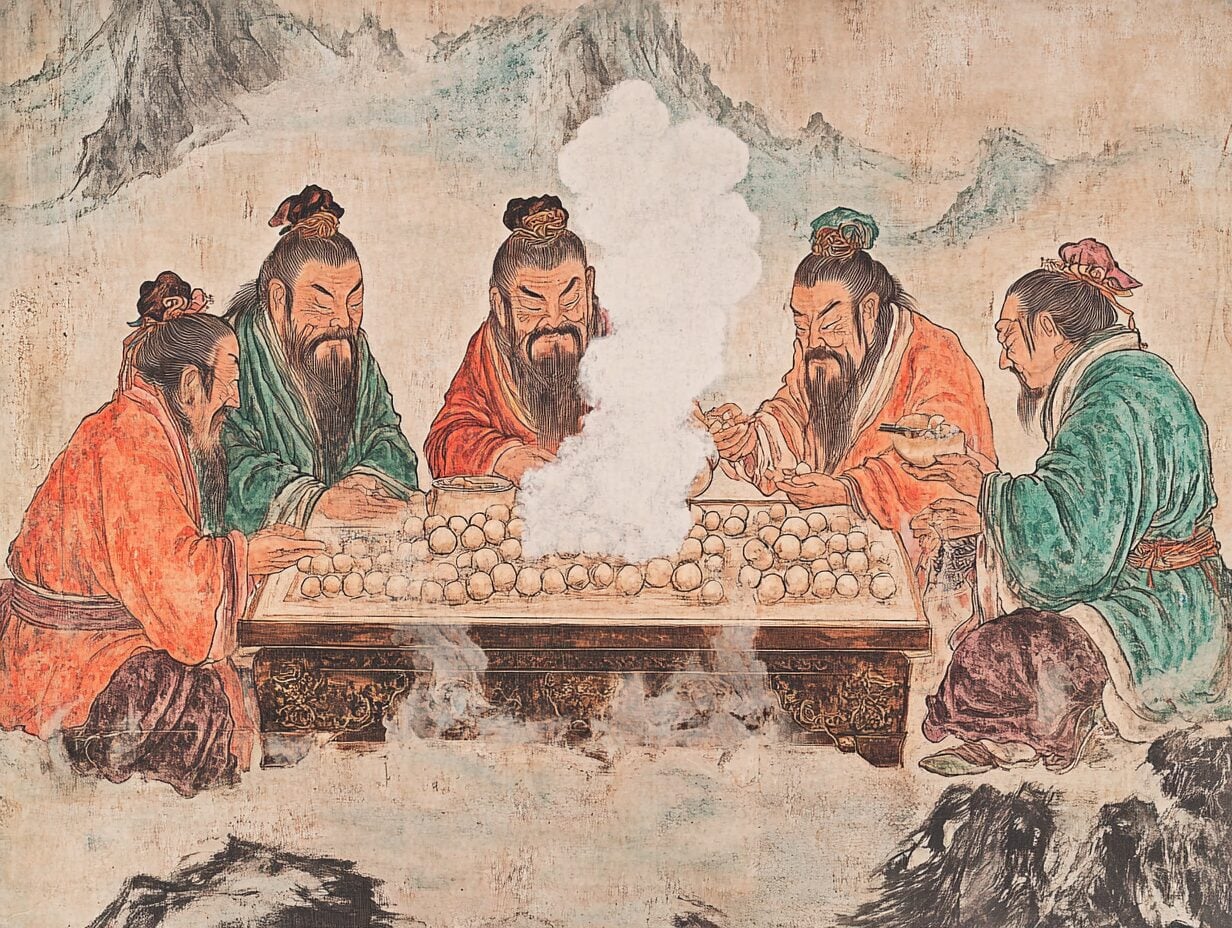
While we often think of the Silk Road as winding through Persia and China, Tibet held an important, if rugged, section of this legendary network. Caravans laden with salt, wool, tea, gold, and precious stones trudged across the high-altitude passes linking Lhasa to India, Nepal, and the Central Asian markets.
Dried fruits like apricots, sourced from lush valleys in Xinjiang or Kashmir, became treasured luxuries on these journeys. Apricots were not just snacks—they were vital sources of vitamins and sugars for traders facing brutal conditions. Combining dried apricots with tsampa brings an authentic taste of the Silk Road’s bounty, merging the hearty practicality of Tibetan tradition with the sweet notes of Central Asian trade.
Through tsampa, we can taste the Silk Road itself: the perseverance of travelers, the richness of cultural exchange, and the simple human need to sustain and savor life along the way.
The Importance of Tsampa in Tibetan Culture
Beyond its nutritional role, tsampa holds deep spiritual meaning in Tibetan life. During Buddhist ceremonies, tsampa symbolizes purity, nourishment, and connection to the earth. Pilgrims carry tsampa when visiting sacred sites; monks offer it during rituals and festivals.
Eating tsampa is seen as an act of self-reliance and respect for nature’s gifts. It requires no cooking, no elaborate preparation—only a little tea or butter and a pair of strong hands to knead it into nourishing sustenance. Its simplicity mirrors Tibetan values: resilience, humility, and mindfulness.
In every handful of tsampa, there is a story: of families huddled around fires, of traders braving frozen mountain passes, and of a people finding strength in the humblest grain.
If you’re enjoying these historical recipes, check out Eating with Empires, which is available now!
Silk Road Apricot Tsampa Recipe:

Apricot Tsampa

Don’t lose this one.
I’ll email it to you so it’s waiting when you’re ready to cook.
Ingredients
Instructions
Notes
- Authentic Roasting: Roasting your own barley grains before grinding adds a rich, nutty depth that pre-ground flour can sometimes lack. Spread the barley on a pan and roast gently until fragrant and golden.
- Butter Tea Matters: Using true Tibetan butter tea adds authentic flavor and richness. If substituting, aim for a salty-buttery tea, not a sweet version, to maintain traditional taste.
- Flexible Texture: Adjust the amount of butter tea based on your preferred texture—less for a crumbly tsampa ball, a little more for a softer, kneadable consistency.