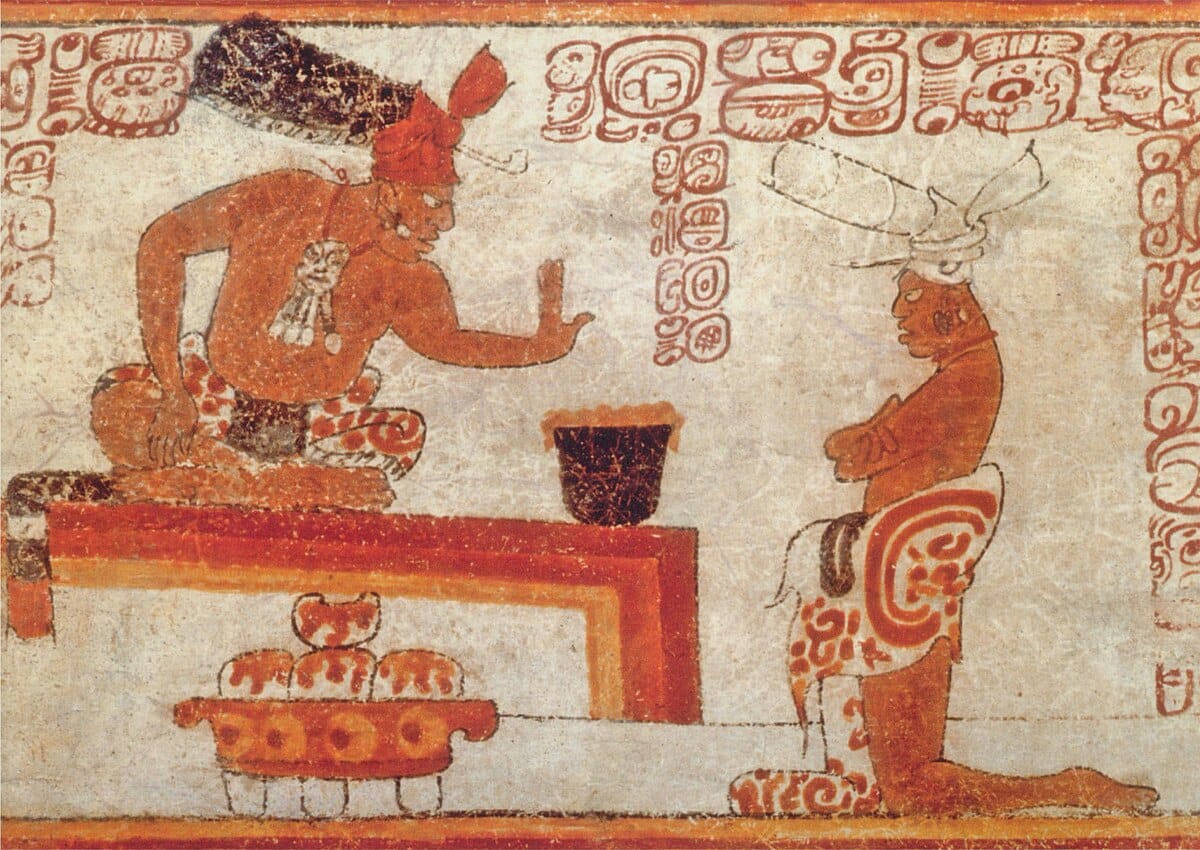
In the heart of Mesoamerica, long before sweetened chocolate delighted the world, the ancient Mayans created a drink that was as bold and rich as their civilization itself.
If you’re enjoying my recipes, check out Eats History Shop for 40% Off my e-cookbooks!
Known as xocolatl—meaning “bitter water” in Nahuatl—this unsweetened, spiced chocolate beverage was a cornerstone of Mayan culture. Revered as a gift from the gods, xocolatl was far more than a drink; it was a symbol of power, a medicinal elixir, and a spiritual offering.
Cacao in Mayan Society
The Mayans held cacao in the highest esteem, considering it a divine gift from the gods. According to Mayan mythology, cacao was discovered by the god Kukulkan, who introduced it to humans alongside maize. This sacred plant became central to Mayan society, its seeds so valuable that they were used as currency.
Next week
I cook these before I write them. Some of it never makes the post.
The failures, the source documents, the version that actually tasted good. That part goes out by email, and next week’s is already on the stove.
 Written and cooked by Donnie
Cacao was deeply ingrained in Mayan daily life, from rituals and trade to art and agriculture. Depictions of cacao appear on Mayan pottery, carvings, and murals, often associated with rulers and deities. Elite members of society drank xocolatl during important ceremonies, while cacao beans were offered as tributes to the gods to ensure prosperity and harmony.
Xocolatl: A Sacred and Cultural Beverage
In Mayan culture, xocolatl was far removed from the sugary hot chocolate we enjoy today. Made from roasted cacao nibs, ground with chili peppers and spices, and simmered with water, it was a drink of deep cultural significance.
Mayan rulers drank xocolatl to prepare for battles, make critical decisions, or engage in sacred rituals. The frothy drink was believed to connect them to the divine, symbolizing vitality and power. It was often poured from one vessel to another to create a froth—a process thought to elevate its spiritual energy.
In addition to its spiritual role, xocolatl was a drink of celebration and ceremony. It was shared during weddings, offered in tribute to deities, and used in funerary rites to guide the deceased into the afterlife.
Health and Spiritual Benefits
The Mayans believed that xocolatl possessed life-giving properties, and modern science supports many of these claims.
Physical Benefits
- Energy and Endurance: Theobromine in cacao provides a gentle stimulant effect, boosting energy and focus without the jitters of caffeine.
- Heart Health: Rich in flavonoids, cacao improves circulation and supports cardiovascular health.
- Anti-Inflammatory Properties: Capsaicin, the active compound in chili peppers, reduces inflammation and stimulates metabolism.
Spiritual and Emotional Benefits
Mayan rituals often paired xocolatl with prayer and meditation, believing the drink opened a channel to the gods. It was thought to invigorate the soul, sharpen the mind, and cleanse the body of impurities.
Recipe for Mayan Hot Chocolate:
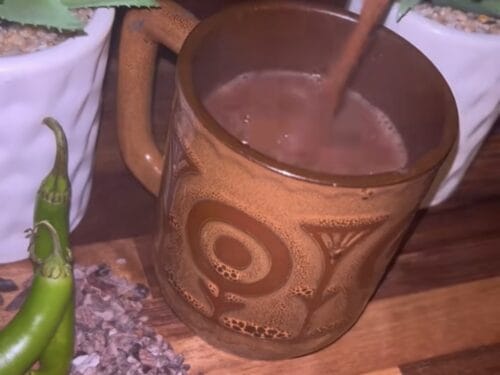
Xocolatl: Mayan Hot Chocolate

Don’t lose this one.
I’ll email it to you so it’s waiting when you’re ready to cook.
Ingredients
Instructions
Notes
- Adjust Spice Level: You can modify the heat by using more or fewer chili peppers or opting for milder varieties. Traditional Mayan xocolatl is quite bold, but you can tailor it to your preference.
- Enhance Frothiness: For an authentic Mayan touch, pour the liquid back and forth between two vessels to create a frothy top. This step isn’t just for aesthetics—it enhances the texture and aeration of the drink.
- Optional Add-Ins: While traditional xocolatl is unsweetened, you can add a small amount of honey or agave for a slightly sweetened version if desired.