When most people think of ancient Greece, they picture marble temples, philosophers in togas, or Alexander the Great charging across the world. But long before the Classical and Hellenistic Greeks, there were the Mycenaeans.
These were the Bronze Age Greeks, flourishing from around 1600 to 1100 BC, who laid the cultural foundation for the Greece we know so well today. Their palaces, trade networks, and epic wars inspired Homer’s Iliad and helped shape Western civilization. And while no cookbooks survive from their time, archaeology and later Greek sources let us piece together how they might have eaten.
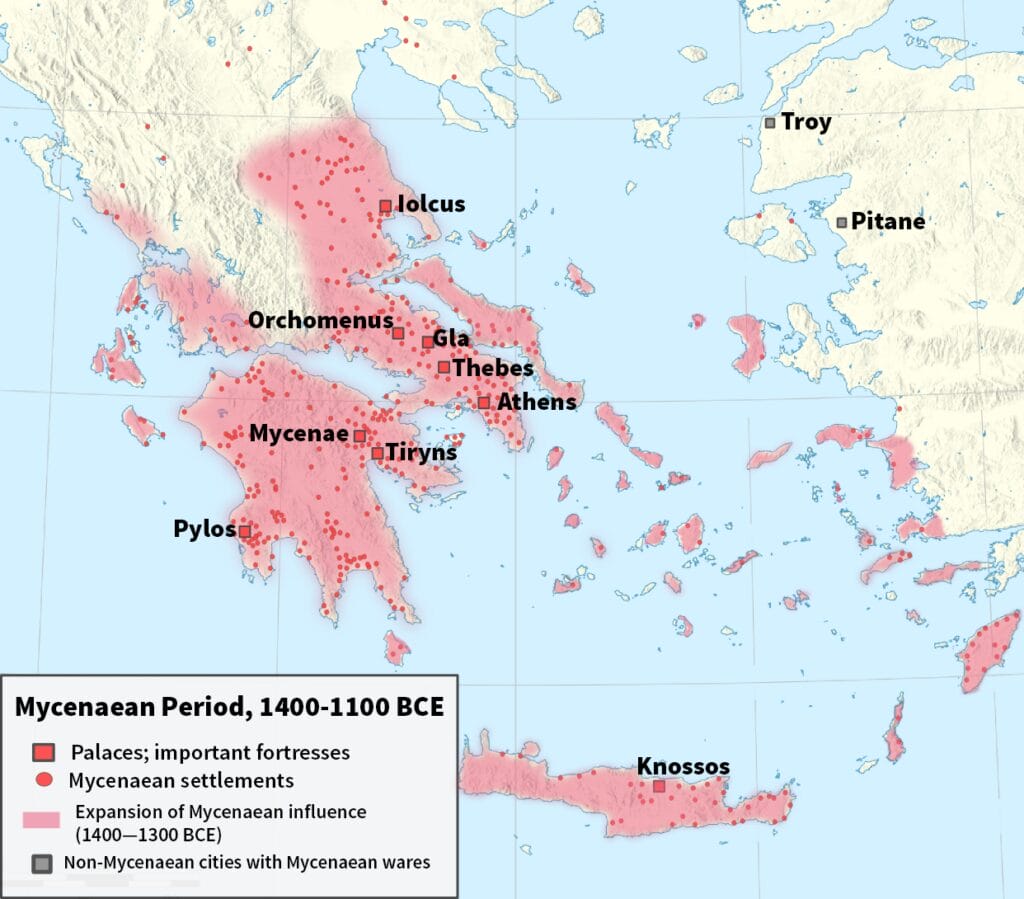
Among the most telling clues are the pots and jars decorated with sea creatures — fish, octopus, and squid — reminding us that the Mycenaeans were coastal people with a strong maritime culture. From storage jars adorned with tentacles to the later writings of Archestratus, a 4th-century BC poet who praised seafood, we see a long tradition of Greeks treasuring what the Aegean had to offer. That tradition carries forward to this day in modern Greek tavernas.
Seafood in the Bronze Age Aegean
Although no written recipes survive from the Mycenaean era, their Linear B tablets provide glimpses into food storage and trade. These records show herds of sheep and goats, jugs of oil, and sacks of grain. Pottery fills in the gaps, where squid and octopus appear as motifs on painted vessels. Clearly, these foods were more than decoration; they were essential parts of the Bronze Age Greek diet.
Next week
I cook these before I write them. Some of it never makes the post.
The failures, the source documents, the version that actually tasted good. That part goes out by email, and next week’s is already on the stove.
 Written and cooked by Donnie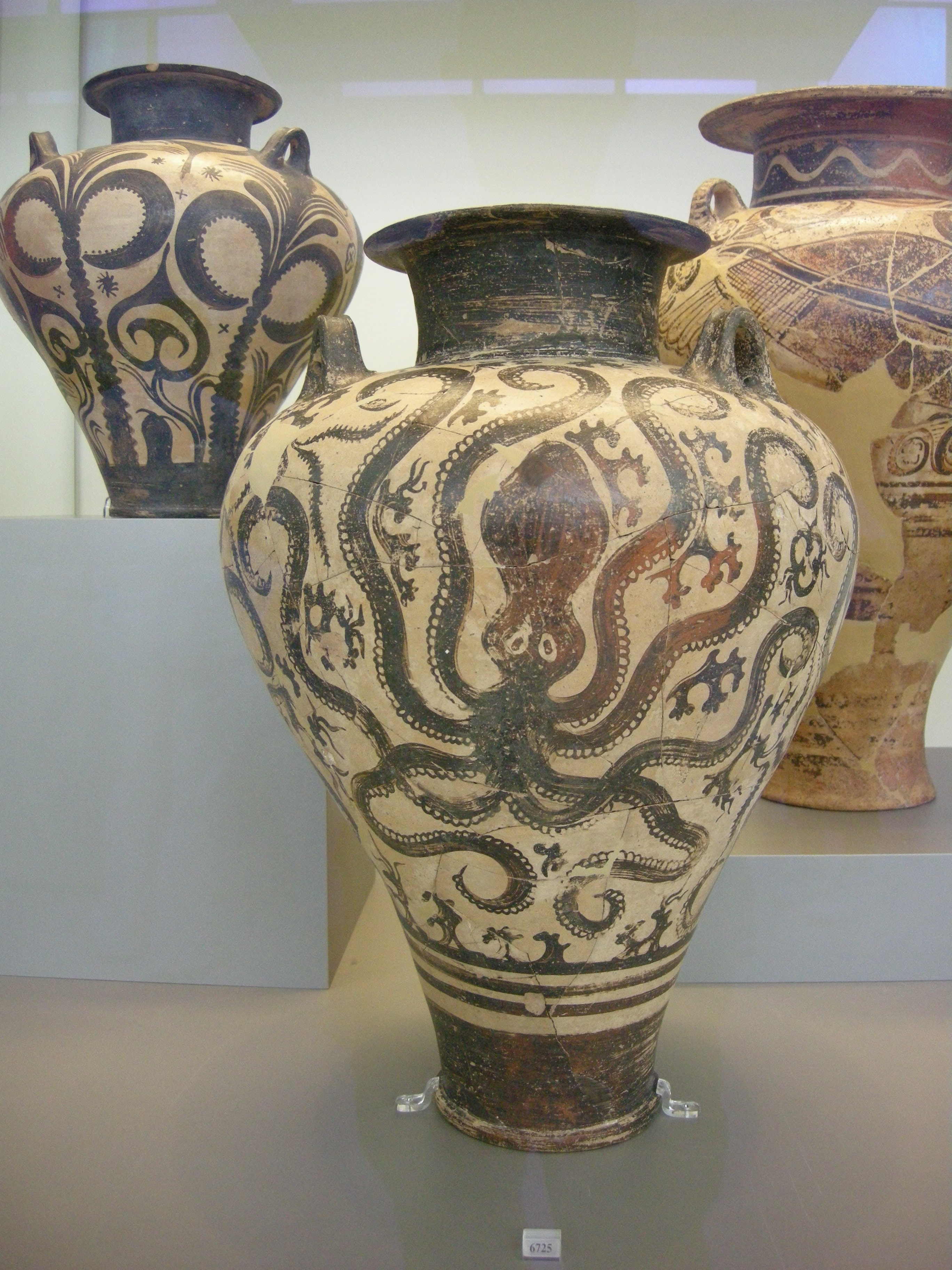
By the time Archestratus was writing centuries later, seafood was central to the Greek palate. He described squid and octopus as seasonal delicacies, best enjoyed simply with olive oil, herbs, and wine. While his words belong to the Classical period, they hint at deep roots stretching back to the Mycenaean Bronze Age, when coastal fishing villages likely relied on similar preparations.
Mycenaean Fishermen and Coastal Life
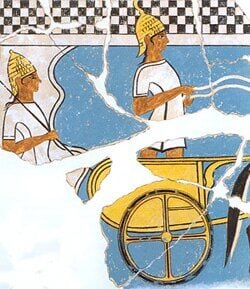
The geography of Greece practically demanded a seafood-rich diet. With so many islands and coastal settlements, fishing was both sustenance and trade. The Mycenaeans were expert sailors who crossed the Aegean and traded far afield, but even at home their daily meals would have leaned heavily on what the sea provided.
Squid and octopus were not only abundant but also versatile. They could be roasted, boiled, or preserved, fitting into both humble household meals and larger palace feasts. Eating these foods connected the people directly to the waters that defined their world, much as they still do today in modern Greece.
My Recreation: Roasted Calamari with Ancient Flavors
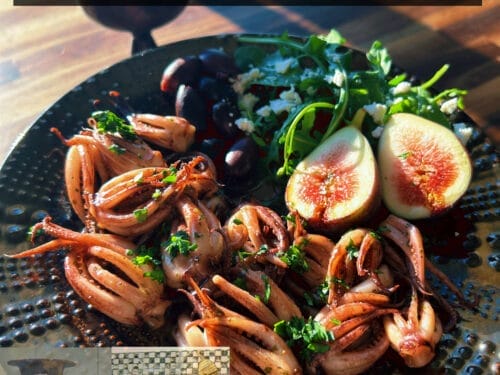
For my modern table, I recreated a dish that feels historically plausible, rooted in the flavors of the Bronze Age Mediterranean. I used squid tentacles (calamari), marinated in olive oil, red wine vinegar, salt, cumin, and oregano. Each of these ingredients has deep roots in the region — olives and vinegar as everyday staples, cumin as a widely traded spice, and oregano as one of Greece’s classic herbs.
I roasted the marinated squid at 400°F for 20–25 minutes, basting halfway through to keep them tender. The result was simple but surprisingly flavorful, a briny richness from the squid balanced by the brightness of vinegar and the earthy kick of cumin. I’ll admit I am not the biggest calamari fan, but this dish won me over more than expected, landing at 7.9/10 on my scale.
Ancient Greek Sides for the Feast
No Greek meal, ancient or modern, feels complete without accompaniments. To round out the plate, I added foods well-known to the Mycenaeans: fresh figs, olives, peppery arugula, and goat cheese. Each of these ingredients carried cultural significance in the Bronze Age. Olives and olive oil were staples of diet and trade, figs were a symbol of fertility, goat cheese was a practical protein source, and greens like arugula added flavor and freshness.
This spread made the dish feel like more than just roasted squid. It echoed the balance of abundance and simplicity that defines so much of Mediterranean food, and it reminded me just how much continuity exists between the ancient meals of a bygone era and modern Greek cuisine.
If you’re enjoying my recipes, all of my e-cookbooks are currently 40% off!
Recipe: Ancient Mycenaean Roasted Calamari with Ancient Greek Sides
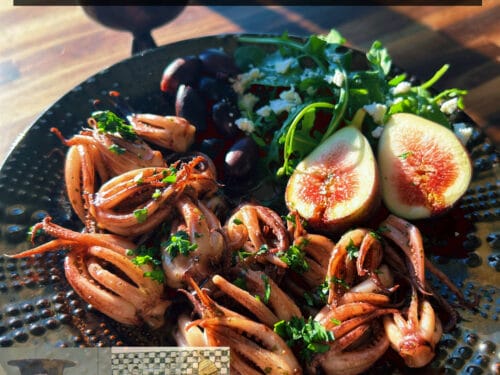
Roasted Calamari from Mycenaean Greece

Don’t lose this one.
I’ll email it to you so it’s waiting when you’re ready to cook.
Ingredients
Instructions
Notes
- Do not overcook the squid or it will turn rubbery — basting and pouring the roasting juices on top keeps it tender and flavorful. Sealing your pan with foil or using a dutch oven lid will keep the calamari tender, but less crispy.
- Swap oregano with parsley or thyme for other herbs that would have been common in the region.
- Pair with a glass of dry white wine for an experience that ties past and present. (Yes the Mycenaean’s drank wine)