
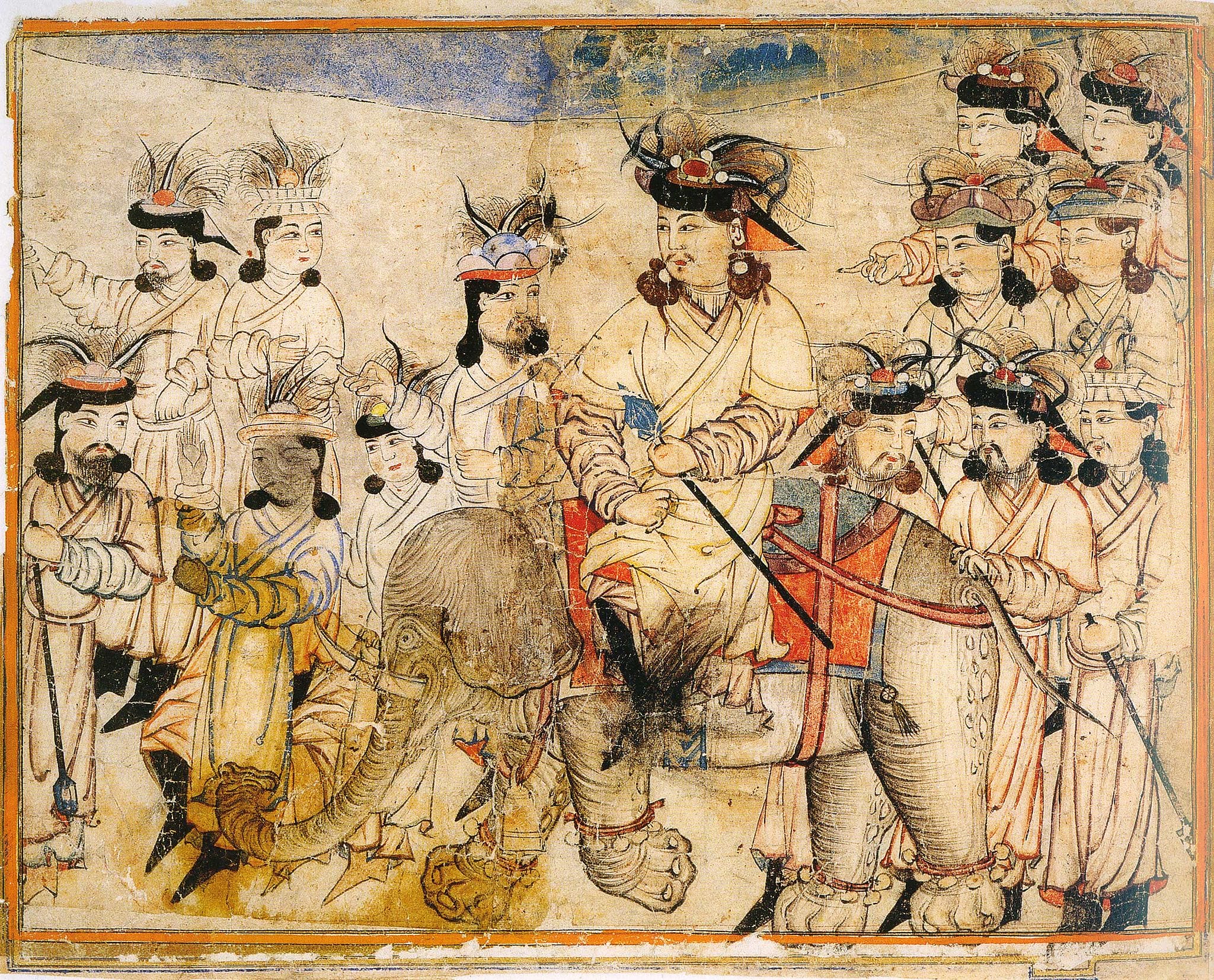
When the Mongol Empire stretched from the Korean Peninsula to the gates of Europe, its warriors didn’t fuel themselves with dainty delicacies. They thrived on hardy, nourishing, practical food. One of those dishes—still eaten in modern Mongolia—is Bantan, a simple lamb and flour soup that became known as the “hangover cure” of the steppe.
Easy to make, quick to digest, and filled with warming fat and hydration, Bantan wasn’t just recovery food. It was sustenance on the go, a way to nourish the sick or weak, and a dish that required nothing more than meat, water, and flour—essentials any Mongolian herder or soldier would have on hand.
A Dish Forged by the Steppes
Bantan’s origins are not traced through court cookbooks or scrolls, but through the everyday practices of nomadic life. The Mongols of the 12th–13th centuries lived a mobile, resourceful lifestyle. Their food had to be durable, quick to cook, and high in energy. That’s exactly what Bantan delivers.
Historian Paul D. Buell, in his work “Food, Medicine and the Silk Road”, notes that Mongol food culture was “meat-based and dairy-rich”, with little use of spice or vegetables. Dishes like Bantan used what the land and livestock gave them: ground lamb or mutton, flour, and water. It wasn’t fancy, but it was functional—and in a yurt at 8,000 feet, that was all that mattered.
Next week
I cook these before I write them. Some of it never makes the post.
The failures, the source documents, the version that actually tasted good. That part goes out by email, and next week’s is already on the stove.
 Written and cooked by Donnie
A Warrior’s Morning After
While Mongol warriors were famously tough, even they had their limits after a night of drinking airag—the slightly sour, mildly alcoholic fermented mare’s milk still consumed today. Enter Bantan. In modern Mongolia, this soup is still known as “the hangover cure”, often served the morning after a night of feasting or celebration.
Why? Because it’s warm, salty, and full of hydration and fat. The flour bits add soft texture without heaviness, while the lamb delivers protein and calories to stabilize the body. Mongolians will often joke that “Bantan brings the dead back to life.”
It’s not just a hangover remedy—it’s given to the sick, to children with fevers, to the elderly recovering from illness. That enduring association with healing tells you everything about its deep cultural roots.
Still Eaten Across the Steppe Today
Bantan isn’t just a relic of the past. It remains one of the most common and beloved soups in modern Mongolian households. It’s taught early, made often, and remains largely unchanged. The core of the dish—crumbled flour thickening a meat broth—is so uniquely Mongolian that few other cuisines replicate it.
According to “Food and Foodways in Asia” by Sidney Cheung and Tan Chee-Beng, Bantan remains one of the key dishes in rural Mongolia, prized for its “healing warmth and simplicity.” In Ulaanbaatar, you’ll find it on diner menus right next to fried dumplings and tsuivan noodles. In the countryside, it’s served in wood or metal bowls, with fermented dairy on the side.
Simple, But with Method
Though it has only a handful of ingredients, the process of making Bantan requires a specific technique. The flour is not rolled into dumplings—it’s rubbed between the fingers and dropped directly into hot broth, where it forms soft, uneven bits. This mimics the rustic way nomads would have made it, kneeling beside a fire, scooping flour from a sack with rough hands.
The meat, traditionally fatty mutton or goat, is browned in animal fat or tail tallow. In our modern kitchen-friendly version, ground lamb and sesame oil stand in for those more robust traditional fats.
Bantan Recipe (Serves 2)
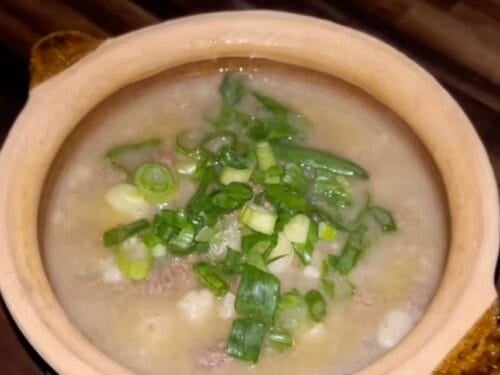
Bantan

Don’t lose this one.
I’ll email it to you so it’s waiting when you’re ready to cook.
Ingredients
Instructions
Notes
- Crumbled Flour Technique:
Traditional Bantan calls for the flour to be crumbled by hand and dropped directly into the broth—do not form dumplings or mix into a roux. This gives the soup its signature texture with soft, irregular flour bits suspended in the broth.
- Use Animal Fat for Authenticity:
If you want a more traditional Mongolian flavor, replace sesame oil with rendered tail fat (uuz) or lamb drippings. This adds a deeper, gamey richness to the broth that reflects the original herder’s diet.
- Make It a Recovery Meal:
To turn this into a full post-feast recovery dish, serve Bantan alongside salted tea or a light fermented dairy like airag or kefir. The added hydration and probiotics pair beautifully with the soup’s warming effect.

easy filling and delicious.
i have 5 kids and my husband made this for me. a life saviour