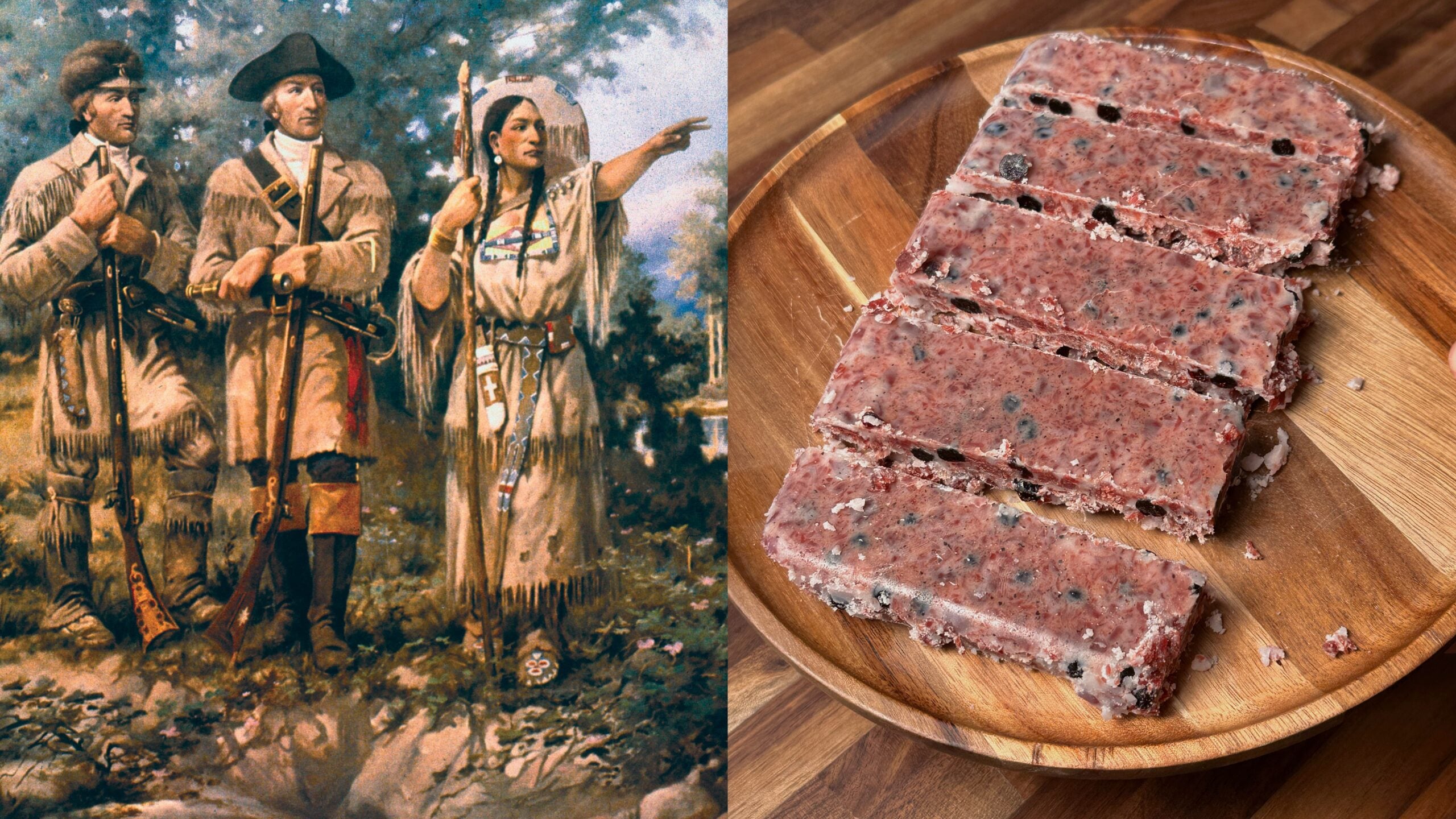
There is a category of food that exists outside the normal framework of culinary evaluation. You cannot judge it on flavour complexity or presentation or technique. You have to judge it on what it actually is, which is the most calorie-dense, most shelf-stable, most portable survival food ever devised by human ingenuity. Pemmican is that food. It kept Indigenous nations alive through brutal winters for centuries before European contact. It fuelled the Hudson’s Bay Company’s fur trade across thousands of miles of Canadian wilderness. It went to the Arctic with explorers who had no other options. And it travelled with the Corps of Discovery on the Lewis and Clark Expedition of 1804 to 1806, the most documented food journey in American exploration history.
I made a small batch using bison jerky and blueberries, the closest accessible approximation of the Plains tribes’ original preparation. It is not delicious in any conventional sense. It is extraordinary in every other sense. Here is the full story.
The Lewis and Clark Journals: America’s Most Documented Food Journey
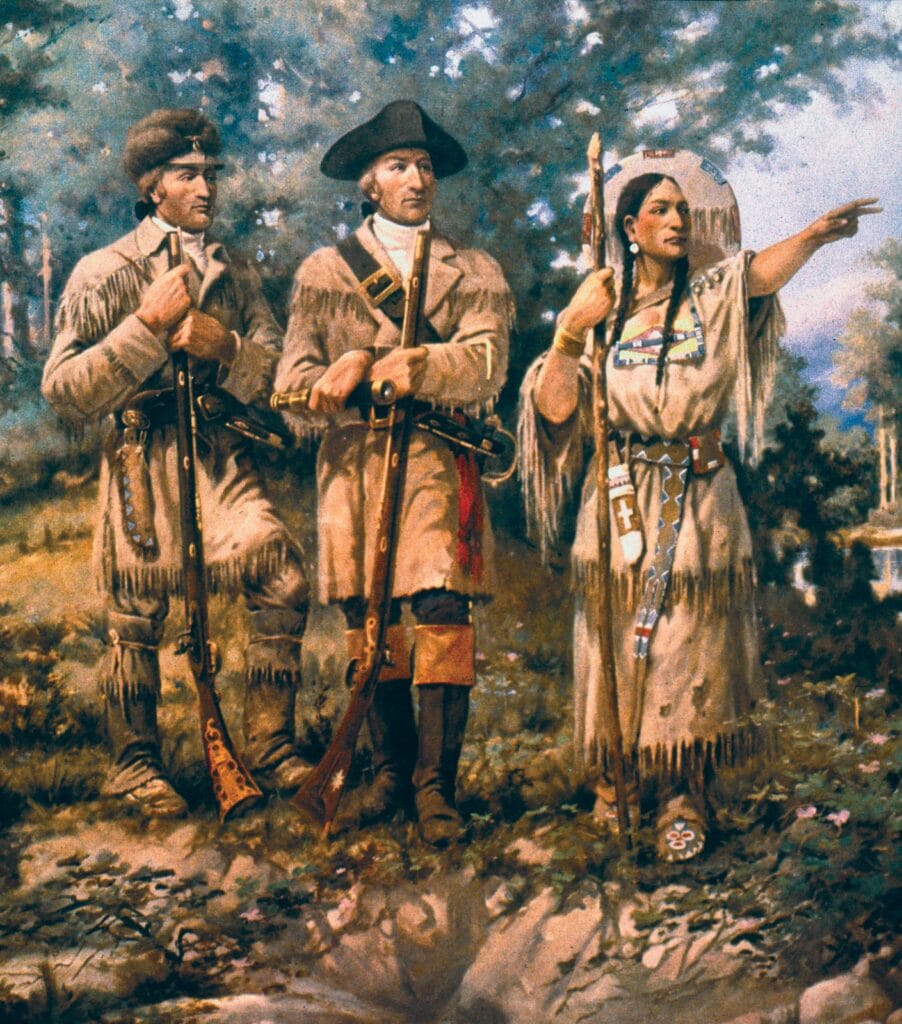
The primary source for everything on this channel related to the Lewis and Clark Expedition is the Gary E. Moulton edition of The Journals of the Lewis and Clark Expedition, published by the University of Nebraska Press in 13 volumes between 1983 and 2001. This is the gold standard academic edition of the complete journal record, containing every surviving entry written by Meriwether Lewis, William Clark and the other members of the Corps of Discovery across the entire 8,000 mile round trip journey from St Louis to the Pacific Ocean and back between 1804 and 1806.
The journals document food in remarkable and sometimes extraordinary detail. Clark noted that the expedition consumed up to nine pounds of meat per man per day on good days, a figure that reflects the extraordinary caloric demands of hauling boats upriver, crossing mountain ranges on foot and covering terrain no American had ever mapped. The naturalist Raymond Darwin Burroughs later tallied the complete list of animals killed and consumed across the expedition: 1,001 deer, 375 elk, 227 bison, 62 antelope, 43 grizzly bears, 113 beaver, 190 dogs purchased from Native tribes and eaten, and 12 horses. The horses were eaten when nothing else was available. The journals document starvation stretches in the Bitterroot Mountains where the men boiled and ate candles and rendered tallow. They document the emergency ration of portable soup, 193 pounds of it purchased in Philadelphia before departure, which the men universally despised and ate anyway when they had nothing else.
Next week
I cook these before I write them. Some of it never makes the post.
The failures, the source documents, the version that actually tasted good. That part goes out by email, and next week’s is already on the stove.
 Written and cooked by Donnie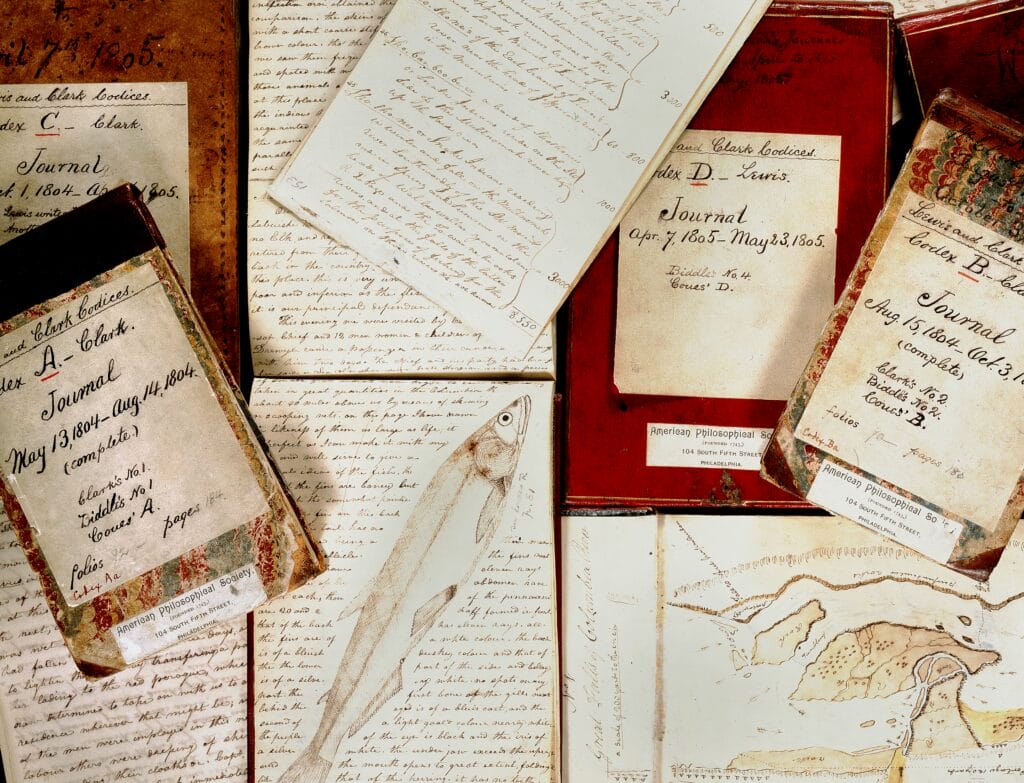
And they document pemmican. William Clark wrote near what is now Great Falls, Montana: the Hunters killed 3 buffaloe, the most of all the meat I had dried for to make Pemitigon. The spelling is characteristically Clark, creative and phonetic, but the reference is unambiguous. The Corps of Discovery made pemmican from bison, drying and pounding the meat before combining it with rendered fat for preservation and transport. They also first encountered it as a prepared food at the feast hosted by the Lakota Sioux early in the journey, where it was served alongside other provisions as part of a formal diplomatic meal.
What Pemmican Is and Where It Came From
Pemmican is a preparation developed independently by multiple Indigenous nations of the Great Plains and Subarctic regions of North America over centuries of practical necessity. The Cree, Ojibwe, Lakota, Blackfoot, Métis and many other nations all made versions of it, adapted to the animals available in their specific territories and the seasonal patterns of the land they lived on. The word pemmican itself comes from the Cree word pimîhkân, derived from the word for fat or grease.
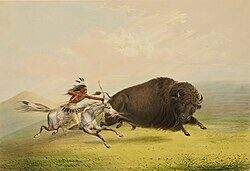
The preparation follows the same basic logic across every documented version. Lean meat, typically bison on the Plains but also caribou, elk, moose or deer depending on the region, is sliced very thin and dried completely, either in the sun on elevated racks or over a slow smoky fire maintained low enough to desiccate rather than cook the meat. The dried meat, stripped of every trace of moisture, is then pounded between stones on a hide until it becomes a rough fibrous powder. Rendered fat, specifically bone marrow fat or organ fat rather than the surface fat of the animal, is melted and poured over the powdered meat in approximately equal proportions by weight. The mixture is combined thoroughly, sometimes with dried berries, and pressed into cakes or packed into bags made from the animal’s own hide. It sets solid as the fat cools and congeals around the powdered meat.
The berries are documented specifically in Plains tribe preparations and serve multiple purposes simultaneously. Saskatoon berries, chokecherries and wild blueberries add a small amount of sweetness that makes the pemmican more palatable. They contribute vitamin C, which the meat and fat alone do not provide and which matters enormously for long winter periods without fresh plant food. And the acidity of the dried fruit helps inhibit spoilage. The berry addition is not decoration. It is functional nutritional engineering developed through generations of practical necessity.
The Science of Survival: Why the Fat to Meat Ratio Matters
The one to one ratio of dried meat to rendered fat by weight is not an arbitrary cultural choice. It is the result of centuries of empirical observation about what combination of ingredients produces the most durable, most calorie-dense, most nutritionally complete portable food possible without refrigeration or any other preservation technology.
The drying process removes virtually all moisture from the meat, which eliminates the primary mechanism by which bacteria and mould cause food to spoil. Dried meat with no residual moisture is shelf stable for weeks to months on its own. When that dried meat is combined with rendered fat, which coats every particle of powdered meat and seals it from contact with air and moisture, the resulting product has a shelf life measured in months to years under appropriate storage conditions. Historical accounts from fur traders and Arctic explorers document pemmican remaining edible after two to three years of storage. Some accounts describe it keeping for decades under ideal cold dry conditions, though the palatability at that point is not documented enthusiastically.
The caloric density is the other extraordinary property. One pound of pemmican delivers approximately 3,000 to 3,500 calories, the full daily caloric requirement of an active adult, in a package that weighs one pound and requires no cooking, no water and no fire to consume. A soldier, explorer or hunter carrying ten pounds of pemmican was carrying ten days of full caloric sustenance in a package smaller than a shoebox. This is the calculation that made pemmican the foundation of every major North American overland expedition from the early fur trade era through the Arctic and Antarctic exploration of the late 19th and early 20th century. Robert Falcon Scott took it to Antarctica. The Hudson’s Bay Company built an entire industrial supply chain around its production and distribution. Ernest Shackleton’s men ate it on the ice floes after the Endurance was crushed.
The specific combination of protein from the dried meat, fat from the tallow, and carbohydrates and micronutrients from the dried berries produces a nutritional profile that is remarkably complete for a food with only three ingredients. The fat provides sustained energy that metabolises slowly and keeps hunger at bay for hours. The protein supports muscle maintenance under extreme physical demands. The berries provide antioxidants and vitamin C that prevent the deficiency diseases that plagued long expeditions relying on preserved meat alone. Indigenous nations had solved the fundamental problem of long-distance food preservation centuries before any European had thought seriously about the question.
My Rating
Pemmican is not a food you eat for pleasure. I want to be completely transparent about that before the recipe. The texture is dense, slightly waxy and requires genuine effort to chew. The flavour without the berries is essentially concentrated dried meat coated in congealed animal fat, which is a description that tells you exactly what to expect. The blueberries I added help significantly, providing a faint fruity sweetness that cuts through the heaviness and makes each bite marginally more approachable. The honey I added in the optional quantity also helped considerably.
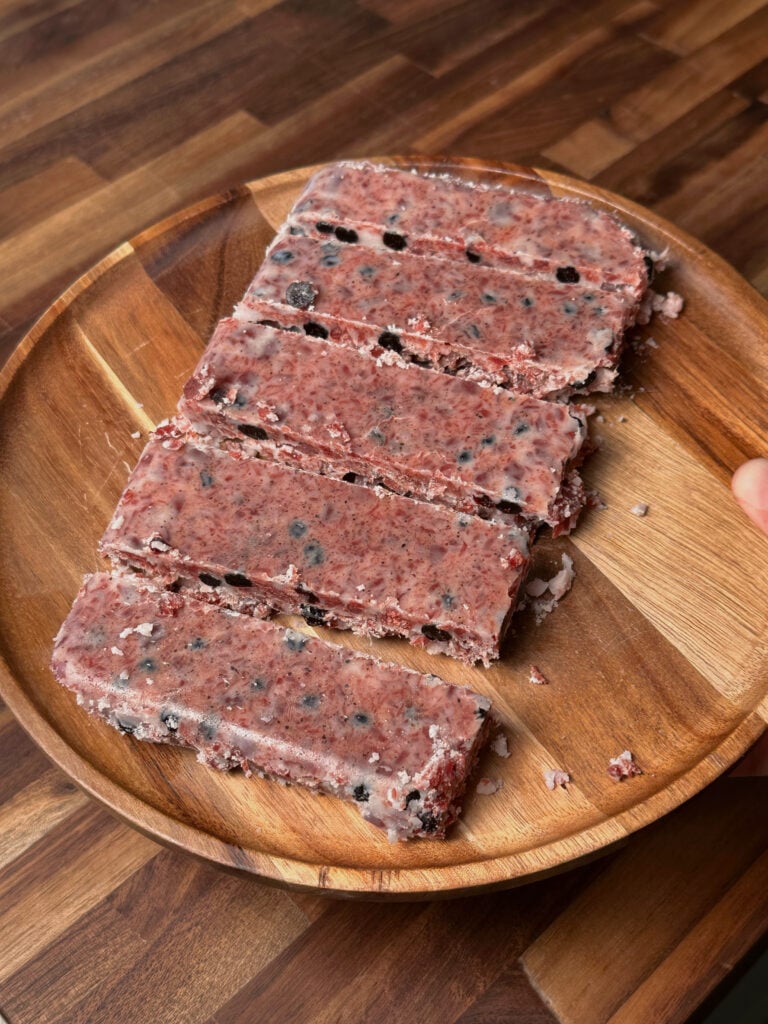
What I found more interesting than the eating was the making. The process of pounding dried jerky into powder and then watching rendered tallow bind it into something solid and shelf stable is genuinely fascinating as a food science exercise. You can feel the logic of the thing as you make it. Every step has a purpose. Nothing is wasted. The finished product, pressed into a small dish and refrigerated until firm, looks exactly like what it is: concentrated survival in a portable brick.
As a food evaluated purely on its historical significance, its nutritional engineering and its extraordinary role in North American exploration and Indigenous food culture, pemmican scores extremely highly. As a food to eat voluntarily on a Tuesday, it scores considerably lower. The 6.8 out of 10 reflects that honest tension and represents the rating of a deeply respectful person who finished their portion and immediately thought about what else was in the kitchen.
Rating: 6.8 / 10
The Recipe: Bison Blueberry Pemmican
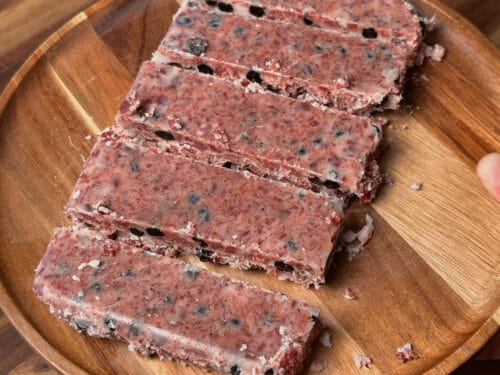
Bison Blueberry Pemmican

Don’t lose this one.
I’ll email it to you so it’s waiting when you’re ready to cook.
Ingredients
Instructions
Notes
- Do not reduce the fat. Every instinct will tell you that 4 oz of rendered fat to 4 oz of dried meat is excessive. It is not. It is the minimum ratio required for the pemmican to hold together and to be genuinely shelf stable. Less fat produces a crumbly, dry product that falls apart and spoils faster. The one to one ratio is not a preference. It is the engineering specification.
- Bison jerky produces a significantly more authentic flavour than beef jerky. Bison is leaner, slightly sweeter and more gamey than beef in a way that is immediately apparent in the finished pemmican. It is worth sourcing if the channel is using this for a video recreation. Several online retailers including North Star Bison and various Etsy suppliers ship bison jerky nationally.
- The honey addition is documented in some historical preparations and makes a noticeable difference to the palatability of the finished product. A small drizzle, no more than a teaspoon for this batch size, is enough to take the edge off the fat heaviness without compromising the historical integrity of the recipe.