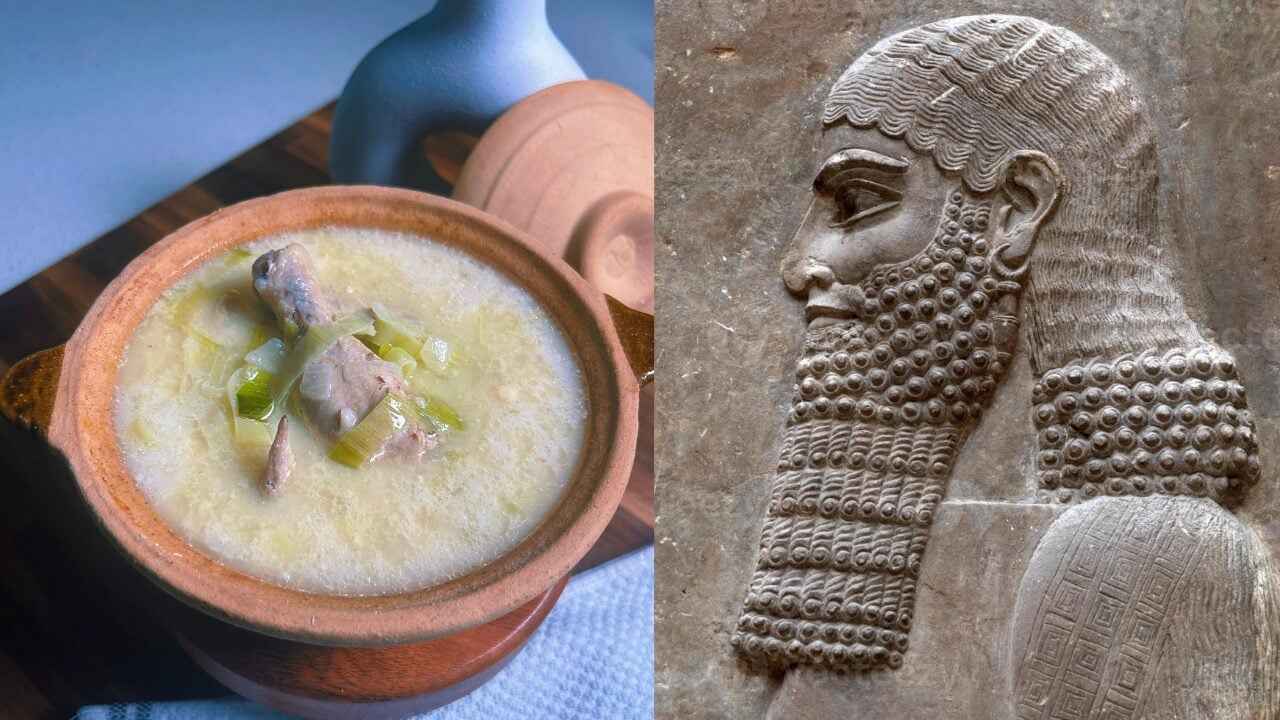
Some recipes connect us directly to the beginnings of civilization, and this one might just be the oldest soup you’ll ever make. The Babylonian Pigeon Soup comes from the Yale Babylonian Collection, one of three culinary tablets discovered in the early 20th century.
If you’re enjoying my recipes, all of my e-cookbooks are currently 40% Off!

Written in cuneiform around 1750 BCE, these tablets give us a rare look at how people cooked in the ancient world — and prove that comfort food has existed for over four millennia.
The Oldest Recorded Soup Recipe
The translation for this recipe is surprisingly straightforward, and that simplicity is what makes it so fascinating. It reads: “Take a bird; prepare it; add water, salt, fat, onion, samīdu (flour or semolina), milk, leek, and garlic. Cook and serve.” Historians believe the bird in question was a pigeon, a common source of meat in Mesopotamia, prized for its tenderness and flavor.
Next week
I cook these before I write them. Some of it never makes the post.
The failures, the source documents, the version that actually tasted good. That part goes out by email, and next week’s is already on the stove.
 Written and cooked by Donnie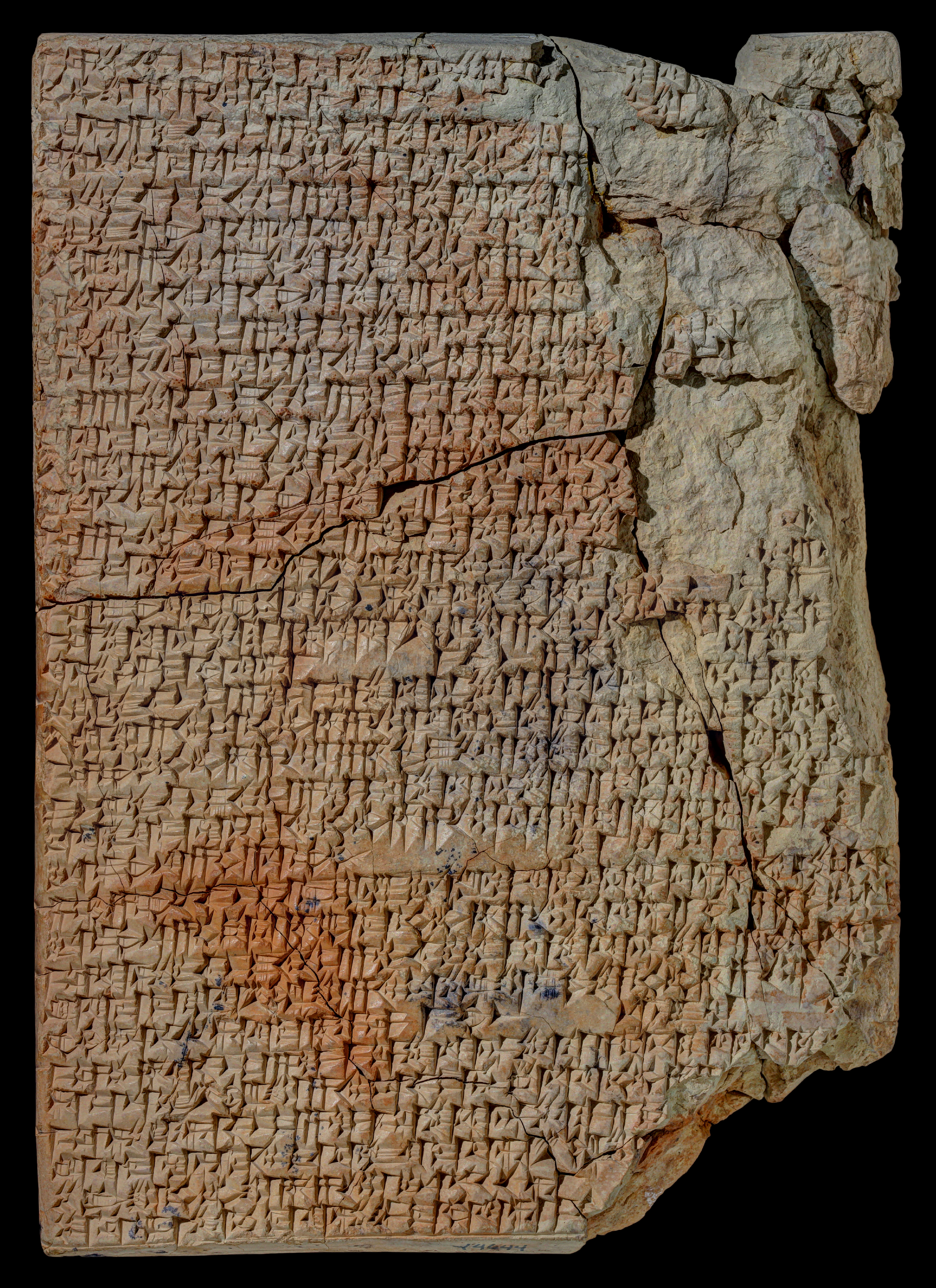
It’s not an elaborate list of ingredients, but rather a foundational structure — the earliest form of what we’d now call a chicken soup or stew. You can see the bones of modern cooking in it: fat for flavor, aromatics for depth, and starch to thicken the broth. The Babylonians may not have had recipe books as we do, but they clearly understood balance.
Cooking Like a Babylonian
Unfortunately, butchered pigeons are a bit harder to find today than they were in 1750 BCE, so I substituted with a Cornish hen. It’s nearly identical in size, texture, and flavor — just slightly less gamey. From there, I had to fill in the gaps, since the clay tablet didn’t exactly come with cooking instructions.
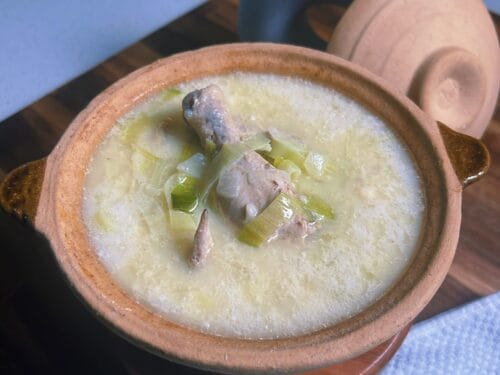
I started by pan-frying the hen in clarified butter, known historically as ghee or rendered fat. This helps develop a rich base of flavor and echoes the “fat” mentioned in the original text. Once browned, I removed the bird and sautéed onions and garlic until soft and fragrant. This combination, simple as it is, might be the oldest flavor foundation in the world.
Building the Stew
Next, I returned the browned bird to the pot and added leeks and water, letting everything simmer gently to build flavor. After about 10 minutes, I poured in a cup of milk to bring that subtle creaminess the Babylonian text hints at. A pinch of salt brightened everything up, and once it began to thicken, I whisked in a small amount of flour to create a smooth, velvety broth.
That was it — no spices, no complicated steps, just a stew born from the earliest days of recorded cooking. It’s hearty, wholesome, and incredibly straightforward. The milk softens the edges of the garlic and leek, creating a soup that feels both ancient and familiar.
A Taste of Ancient Comfort
When I took the first spoonful, I couldn’t help but smile. The flavor is delicate but satisfying — a gentle balance of savory broth, creamy texture, and tender meat. It reminded me of a rustic chicken and leek soup you might find in any kitchen today. The fact that this recipe was written over 4,000 years ago makes it even more remarkable.

The Babylonians may not have had cast-iron pans or copper cookware, but they clearly knew how to make something comforting and nourishing. The combination of milk, leeks, and meat gives this dish an earthy richness that feels timeless.
Final Thoughts
This recipe is a reminder that the foundations of cooking haven’t changed much in four thousand years. We still crave warmth, balance, and nourishment — the same things ancient cooks sought when they first scratched this recipe into clay. For something so old, it’s shockingly good. I think I’d be willing to trade some of my high-quality copper for a bowl of this.
Simple, creamy, and full of history, this stew deserves a place in your modern kitchen. Whether you’re a fan of historical recipes or just looking for a new winter soup, this one delivers on all fronts.
My Rating: 8.8/10
Verdict: Ancient, hearty, and surprisingly deliciou
Recipe: Babylonian Pigeon Stew
Babylonian Pigeon Stew (c. 1750 BCE)

Don’t lose this one.
I’ll email it to you so it’s waiting when you’re ready to cook.
Ingredients
Instructions
Notes
- Cornish hen makes the perfect substitute: While the original recipe calls for pigeon, Cornish hen mimics its size and tenderness almost exactly, with only a slightly milder flavor. You can also use quail or small chicken pieces if Cornish hen isn’t available.
- Use clarified butter for authenticity: The Babylonians cooked with rendered animal fat, so using ghee or clarified butter adds a nutty richness that brings the dish closer to its ancient roots. It also helps create that golden sear on the meat before stewing.
- Don’t overcomplicate it: This is one of the world’s oldest recipes, and its beauty lies in its simplicity. Avoid modern seasoning blends or extra vegetables — the mild creaminess of milk, the sweetness of onions and leeks, and the savoriness of the broth are exactly what make it timeless.