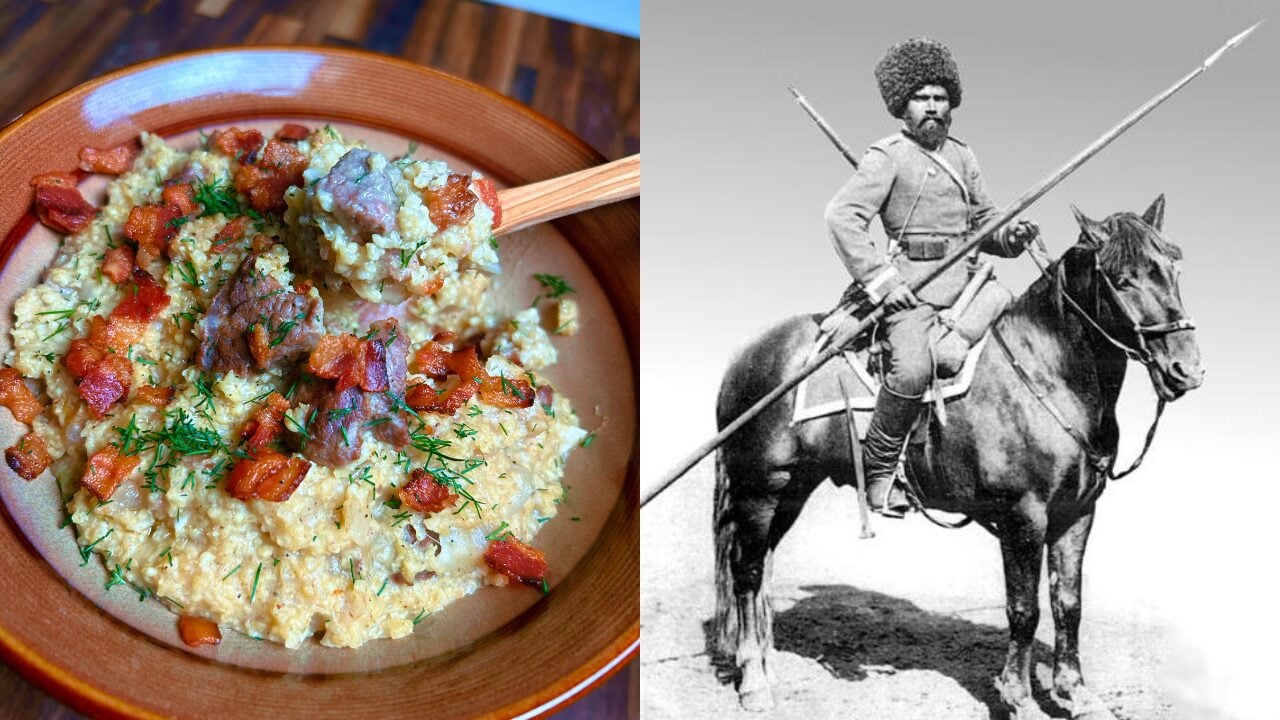
Today’s dish is more than just a hearty bowl of porridge. It is a window into the lives of one of the most fascinating and feared warrior cultures in early modern Europe. Kulish was not a luxury meal, nor was it ceremonial food meant for kings. It was survival cuisine, designed to fuel men who lived on horseback, fought across vast open steppe, and answered to no single empire for long.
If you’re enjoying my recipes, all of my e-cookbooks are currently 40% Off!
Kulish appears again and again in historical accounts of Cossack life. It was cooked in massive shared pots over open fires, eaten with wooden spoons, and stretched to feed entire detachments of men. Simple, filling, and endlessly adaptable, kulish reflects everything about the Cossack way of life. It is practical, communal, and unapologetically rustic.
Who the Cossacks Were
The Cossacks emerged between the fifteenth and eighteenth centuries in the borderlands of Eastern Europe, particularly along the Dnieper and Don rivers. These were regions constantly contested by the Ottoman Empire, the Polish Lithuanian Commonwealth, and the expanding Russian state. In these unstable frontier zones, the Cossacks formed as semi independent warrior communities.
Next week
I cook these before I write them. Some of it never makes the post.
The failures, the source documents, the version that actually tasted good. That part goes out by email, and next week’s is already on the stove.
 Written and cooked by Donnie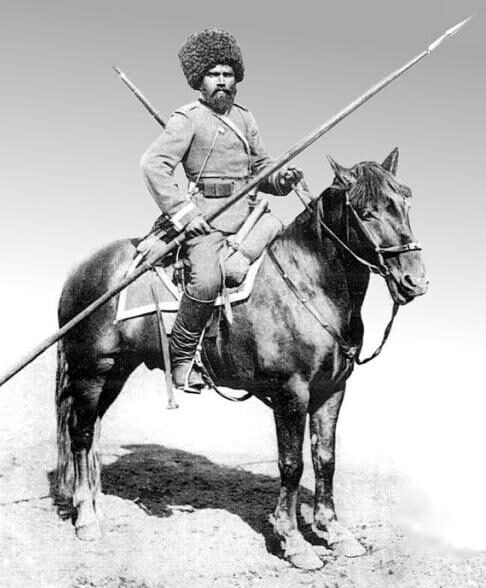
The word Cossack itself comes from the Turkic term qazaq, meaning a free man or wanderer. That name perfectly captures their identity. Cossacks were often runaway peasants, exiles, adventurers, and mercenaries. They rejected rigid feudal hierarchies and instead organized themselves into brotherhoods bound by loyalty, shared danger, and martial skill.
Elite Cavalry and Frontier Mercenaries
Cossacks earned their reputation as some of the most effective light cavalry in Europe. They were masters of fast raids, ambushes, and irregular warfare. European states that could afford them eagerly hired Cossack units, knowing they brought both ferocity and flexibility to the battlefield.
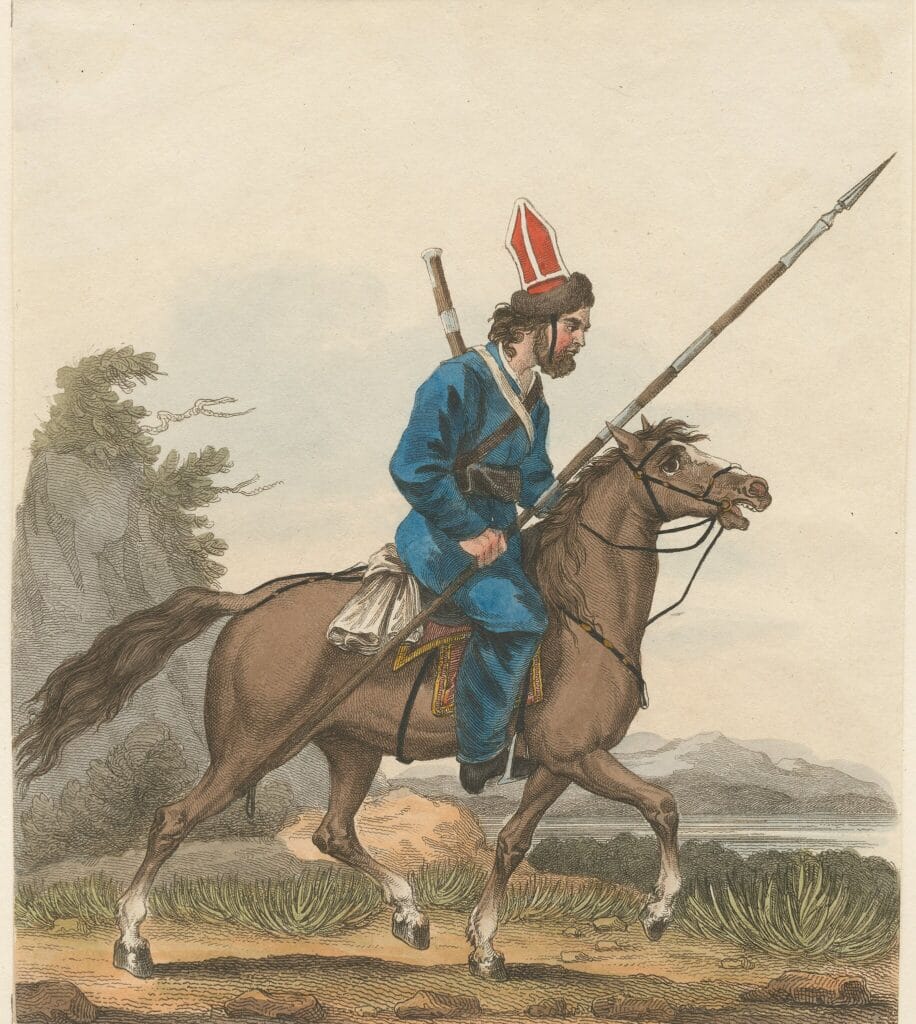
They were also famously unpredictable. Cossacks frequently switched allegiances depending on political shifts and pay. This was not treachery in their worldview, but survival. They were frontier men first, loyal to their hosts and communities before any distant ruler. Their food culture reflects this same independence and adaptability.
Daily Life and Camp Cooking
Cossack camps were mobile and temporary. Cooking needed to be fast, efficient, and scalable. Kulish met all of those needs. Millet was cheap, widely available, and easy to store. Pork fat, bacon, or salt pork provided calories and flavor. Onions and garlic added depth and were believed to ward off illness. When available, meat was added, but kulish could be made without it during lean times.
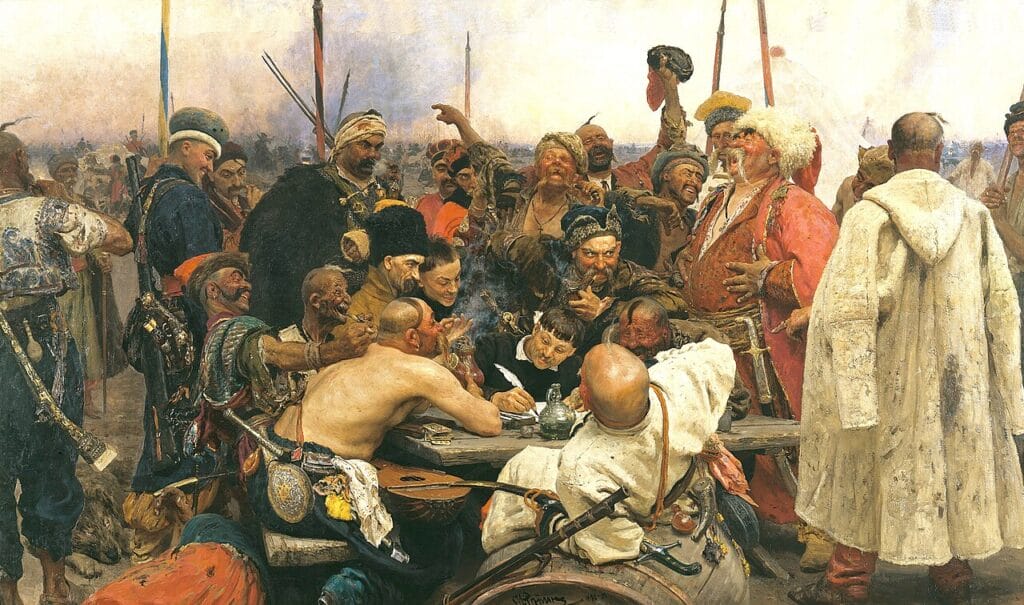
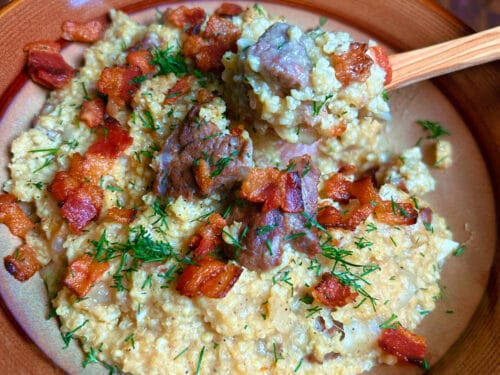
Everything went into one pot. The goal was nourishment, not refinement. Yet when prepared well, kulish becomes deeply satisfying. The rendered fat coats the millet, the broth thickens into a creamy porridge, and the flavors meld into something far greater than the sum of its parts.
Why Kulish Became So Central
Kulish was so closely associated with Cossack identity that the dish survived long after their military dominance faded. In Ukraine today, kulish remains a symbol of Cossack heritage, often prepared at festivals, reenactments, and communal gatherings. Some modern surnames even trace back to the dish itself, a testament to how deeply it was woven into daily life.
This was food meant to sustain men through cold winters, long rides, and brutal campaigns. It required no specialized equipment, no rare ingredients, and no precise measurements. That simplicity is exactly why it endured.
Recreating Kulish Today
For this recreation, I stayed true to the historical structure of the dish while adding stew meat to reflect times when protein was available. Bacon provides the foundational fat, while beef or pork adds body and richness. The result is still unmistakably kulish, just slightly more generous, and perfect for a modern winter table.
Served with thick slices of dark rye bread, this meal feels timeless. It is filling without being heavy, rustic without being bland, and deeply comforting. It tastes like something meant to be eaten outdoors after a long day, which is exactly what it was.
I give this dish a 9.2 out of 10.
Cossack Kulish Recipe:
Kulish

Don’t lose this one.
I’ll email it to you so it’s waiting when you’re ready to cook.
Ingredients
Instructions
Notes
- Millet matters: Rinsing the millet thoroughly is not optional. Historical accounts mention washing grains repeatedly, and skipping this step will result in bitterness that overwhelms the dish.
- Texture over thickness: Kulish should never be stiff or dry. If it thickens too much, add a splash of hot broth or water and stir gently to restore its porridge-like consistency.
- Fat is the flavor: This dish relies on animal fat for richness. Lard or bacon fat is historically accurate and essential to achieving the proper depth and mouthfeel.