During the height of the Mongol Empire, one of the largest and most powerful empires the world has ever seen, food was not just sustenance—it was a strategy for survival and conquest.
The nomadic Mongols needed simple, nourishing meals that could be prepared quickly and efficiently, even during their vast campaigns. Guriltai Shul, a comforting mutton soup with noodles, became a staple of Mongol sustenance and a reflection of their way of life.
This dish, recorded in Yinshan Zhengyao (Essential Principles of Food and Drink), offers us a rare glimpse into the culinary practices of the Mongol court. Written by Hu Sihui, a court physician, the text blends Chinese, Central Asian, and Middle Eastern influences, showcasing the rich cultural exchange that defined the Mongol Empire. Let’s explore the history, practicality, and recipe of Guriltai Shul, a dish that embodies the Mongols’ resilience and resourcefulness.
If you’re enjoying my work, consider checking out the Eats History Store!
Next week
I cook these before I write them. Some of it never makes the post.
The failures, the source documents, the version that actually tasted good. That part goes out by email, and next week’s is already on the stove.
 Written and cooked by Donnie
The Source: Soup for the Qan and Hu Sihui
The recipe for Guriltai Shul comes to us through Yinshan Zhengyao, a 14th-century dietary and medicinal manual compiled by Hu Sihui, a physician at the Yuan dynasty court. The Yuan dynasty, established by Kublai Khan, was the Mongol-led dynasty that ruled China.
Hu Sihui’s work aimed to promote health and longevity for the Mongol rulers by blending the culinary knowledge of the cultures under their rule.
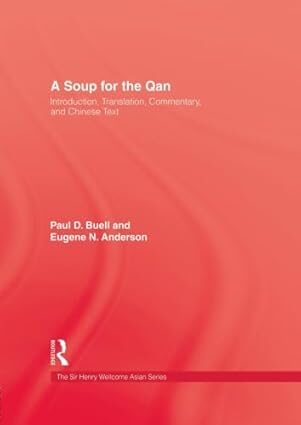
The text contains recipes and guidelines for nourishing meals, with an emphasis on balanced nutrition and practicality. A significant portion of the recipes in Yinshan Zhengyao are variations of sulen, or boiled mutton broth. Mutton was a cornerstone of the Mongol diet, valued for its high protein content and availability. These recipes reflect the Mongols’ preference for simple, hearty dishes that could sustain them during their nomadic journeys and conquests.
The Mongol Empire: Tolerance and Ferocity
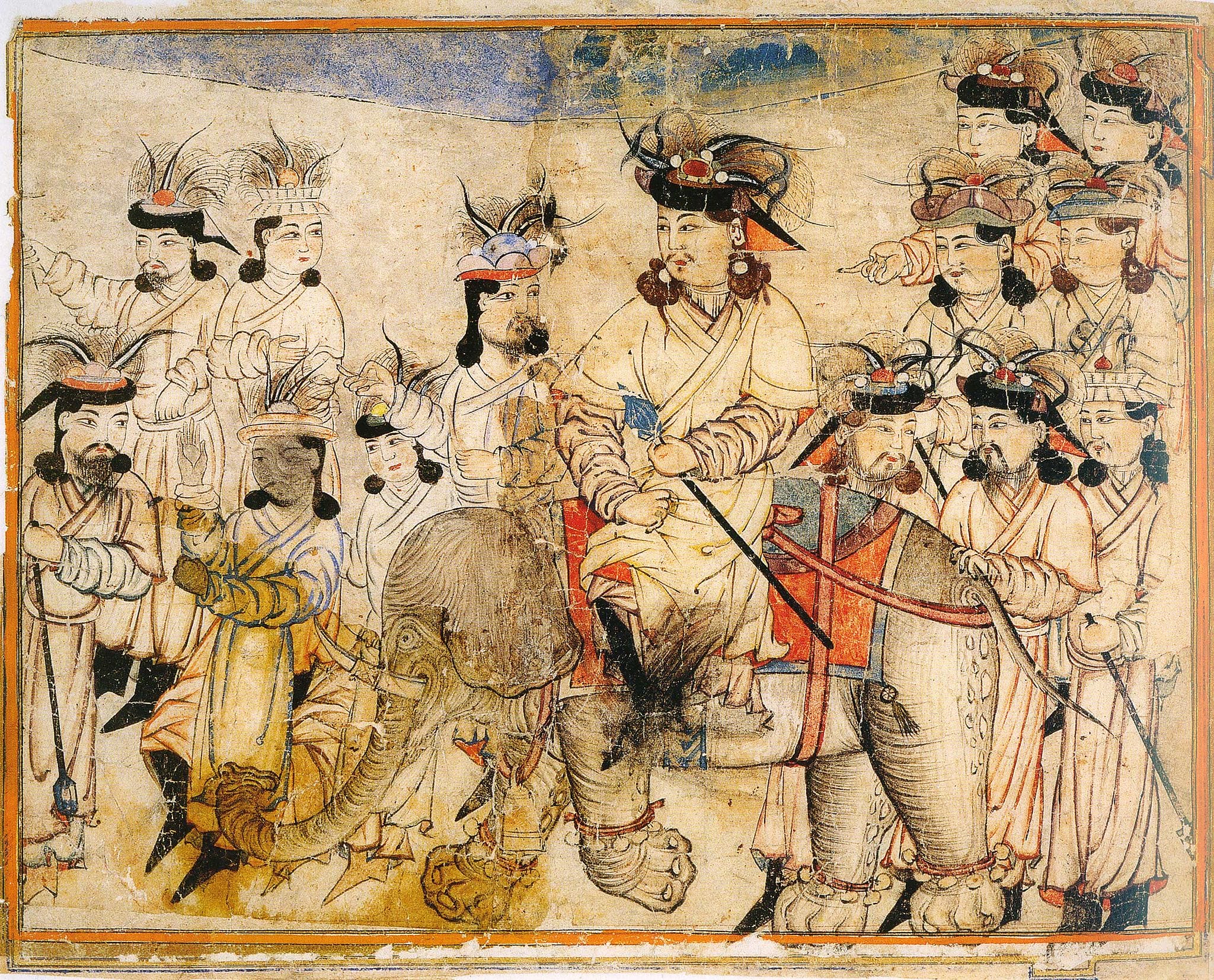
The Mongol Empire (1206–1368) was built on a paradox of strict governance and remarkable tolerance. Under the leadership of Genghis Khan and his successors, the Mongols conquered vast territories across Asia, the Middle East, and Eastern Europe, becoming one of the largest contiguous empires in history.
The Mongols were ferocious in battle, employing swift and devastating tactics to subdue enemies. Cities that resisted their rule often faced annihilation, while those that submitted were allowed to retain their culture, religion, and administrative systems. This balance of terror and tolerance created a unique environment for cultural exchange, fostering innovations in trade, art, and cuisine.
Food, like Guriltai Shul, symbolizes this fusion of practicality and diversity. The dish reflects the nomadic roots of the Mongols while incorporating ingredients and techniques from the lands they governed.
Shulen: Practicality on the Move
For a nomadic empire constantly on the move, practicality was key. Guriltai Shul, like other forms of sulen, was an ideal dish for the Mongols. Mutton, onions, and simple spices were readily available, and the recipe required minimal preparation. The inclusion of egg noodles toward the end of cooking added substance to the meal, making it both hearty and efficient.
This soup could be prepared quickly in a single pot, a necessity for the mobile lifestyle of the Mongol army. It was also highly adaptable; spices and garnishes could be adjusted based on what was available. Whether consumed by the common soldier or the ruling elite, Guriltai Shul provided the nourishment needed to sustain long campaigns across the harsh landscapes of the steppe and beyond.
Recipe: Guriltai Shul (Mongolian Noodle Soup)
Guriltai Shul (Mongolian Noodle Soup)

Don’t lose this one.
I’ll email it to you so it’s waiting when you’re ready to cook.
Ingredients
Instructions
Video
Notes
- Mutton Alternatives: While mutton is the traditional choice, lamb works just as well. Beef can also be used as a substitute for a milder flavor.
- Broth Depth: For a richer broth, use a mix of mutton bones and meat. The bones will add a deep, savory flavor to the soup.
- Noodle Options: Egg noodles are traditional, but any sturdy noodle, like hand-cut or ramen-style noodles, can be substituted for convenience.
Appreciate your support, here is a link to buy me a coffee :).