
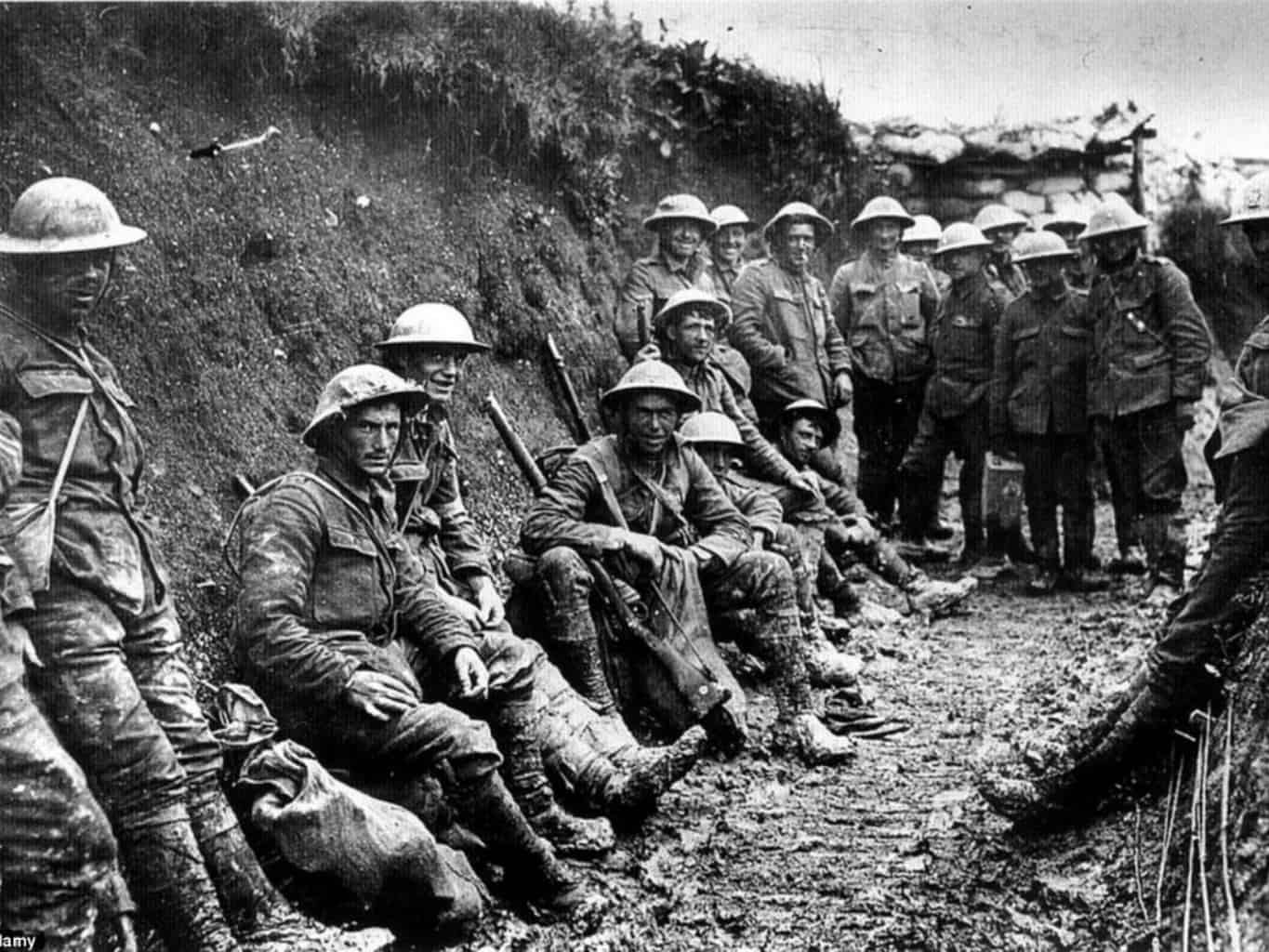
In the muddy, chaotic expanse of World War I, soldiers faced a multitude of challenges that extended far beyond the battlefield.
One of these daily trials was the struggle to find nourishment in the unforgiving conditions of trench life.
Meals were often basic, repetitive, and designed for practicality over flavor. Yet, despite these harsh realities, certain foods became staples and symbols of resilience for the men and women enduring the war.
A Brief Summary of World War I
World War I, also known as the Great War, raged from 1914 to 1918, engulfing much of Europe and drawing in global powers.
Next week
I cook these before I write them. Some of it never makes the post.
The failures, the source documents, the version that actually tasted good. That part goes out by email, and next week’s is already on the stove.
 Written and cooked by Donnie
The war was marked by unprecedented brutality, introducing trench warfare as a dominant strategy. These trenches stretched for miles, turning once-pastoral landscapes into battle-scarred wastelands.
Millions of soldiers fought, suffered, and perished in battles that moved mere yards over weeks and months.
The Brutality of Trench Life
Life in the trenches was as grim as it sounds. Soldiers dealt with persistent threats—artillery fire, gas attacks, and sudden enemy raids—alongside more mundane miseries like trench foot, lice, and rats. Food was a rare comfort and was often prepared in less-than-ideal conditions.
What was available was rationed and often lacked the taste and nutrition to sustain hard-working soldiers. Among the most common rations were “bully beef” (tinned corned beef), hardtack biscuits, and anything that could be preserved and distributed in bulk.
Bully Beef Stew
To make the most of their limited provisions, soldiers would often improvise by combining rations to create somewhat more palatable meals.
Bully beef stew was one such dish, made by mixing tinned corned beef with available root vegetables, water, and seasonings when they could be found. While simple, this stew provided essential calories and a semblance of a home-cooked meal, boosting morale.
ANZAC Biscuits
Far from the battlefields of Europe, another war effort was underway, with families and communities doing their part to support their loved ones. In Australia and New Zealand, women sent care packages that included ANZAC biscuits.
These simple, long-lasting treats were made without eggs—which were scarce—and relied on ingredients that preserved well over long shipments.
The biscuits were not only a source of sustenance but also a reminder of home and the warmth of family. They were made primarily of oats, flour, sugar, golden syrup, and butter, which created a sturdy, sweet biscuit that could withstand the journey to the front lines.
Bully Beef Stew & ANZAC Biscuits Recipe:
If you’re enjoying my work consider buying me a coffee :).

WW1 Bully Beef Stew & ANZAC Biscuits

Don’t lose this one.
I’ll email it to you so it’s waiting when you’re ready to cook.
Ingredients
Instructions
Video
Notes
- Stew Flavor Enhancement: Add a splash of Worcestershire sauce or a pinch of paprika to deepen the flavor of the stew.
- Adjust Stew Consistency: For a thicker stew, let it simmer uncovered for the last 10 minutes or mash a few potato pieces.
- ANZAC Golden Syrup Substitute: If golden syrup isn’t available, honey or light corn syrup can be used as a replacement.

This history-rich winter meal is becoming a favorite, and the ANZAC biscuits are welcome at potlucks and camp outs. The biscuits are very sturdy, and I dump any leftover veggies in my Bully Stew. And I always share the background to anyone new. 😜 Thank you!