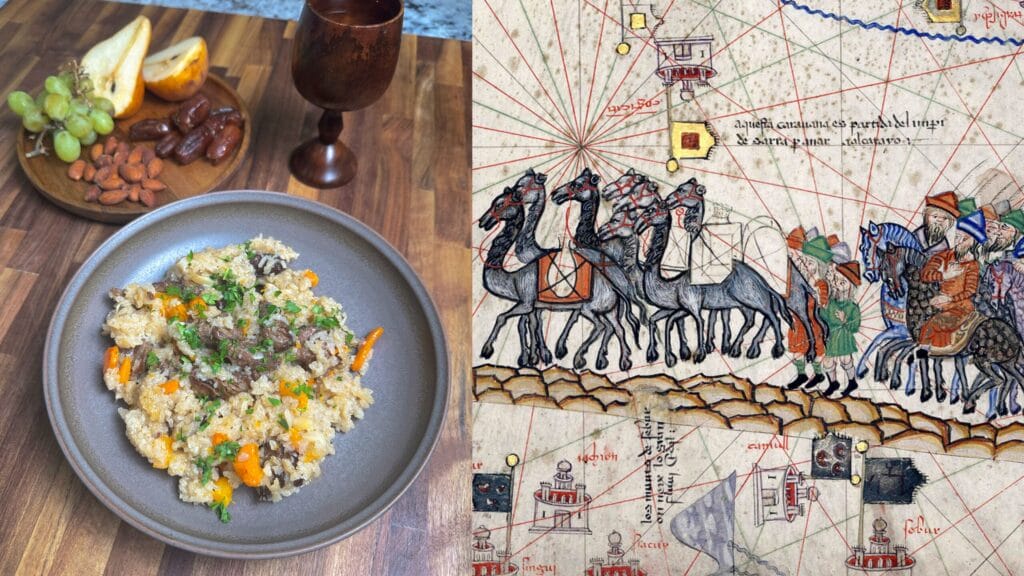
The Aperol Spritz is one of the most ordered cocktails in the world right now. Orange, fizzy, served in a large wine glass with ice and an orange slice, it has become the universal signal of a warm evening, a good mood and someone who wants something refreshing without committing to a full cocktail. It is on every menu from Vienna to Sydney. Campari Group, which now owns Aperol, reports it as one of the best-selling aperitifs globally. In Italy alone more than 3.4 million people drink it regularly.
Almost none of them know that the original version did not contain prosecco. That the drink was invented not as a sparkling cocktail but as a still wine aperitif. That the prosecco version most people drink today was a 1950s marketing decision rather than the original recipe. And that the entire concept of the spritz started not with an Italian liqueur company but with Austrian soldiers who found the local wine too strong and started adding water to it.
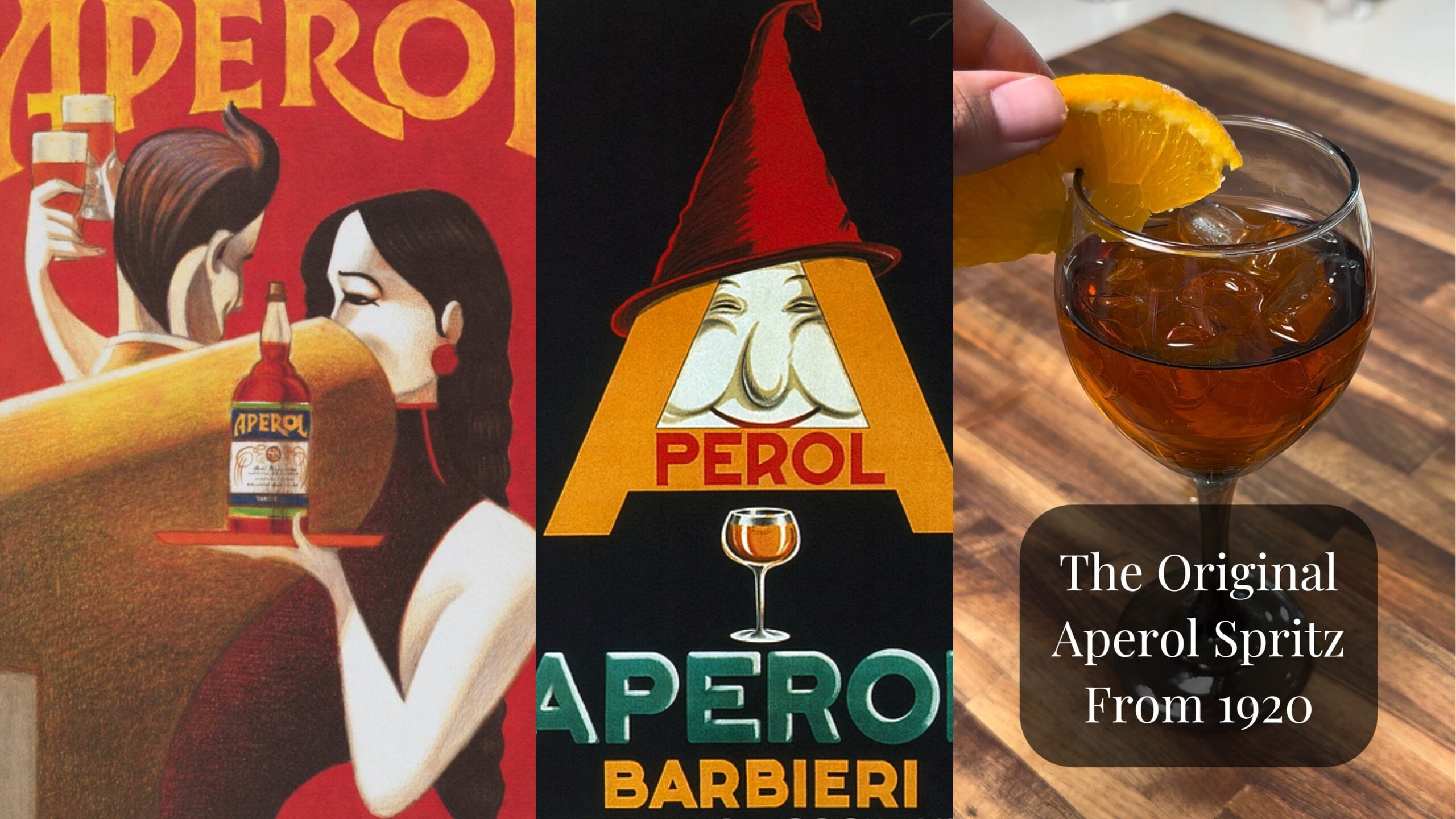
I made the original 1920s version. Still Venetian white wine, Aperol, a splash of soda. It is genuinely extraordinary and it tastes meaningfully different from the modern prosecco version. It is an 8.8 out of 10. Here is the full story.
The Austrian Origins: Where the Spritz Actually Comes From
The story of the Aperol Spritz begins not in Padua in 1919 but in the Veneto region of northern Italy in the early 19th century, and it begins with an army of Austrian soldiers who could not handle their wine.
Next week
I cook these before I write them. Some of it never makes the post.
The failures, the source documents, the version that actually tasted good. That part goes out by email, and next week’s is already on the stove.
 Written and cooked by Donnie
After the collapse of Napoleon’s empire in 1815, the northern Italian regions of Lombardy and Venetia came under the control of the Austrian Habsburg Empire. Austrian soldiers and civil servants arrived in the Veneto in large numbers and found themselves confronted with the local wine, which was significantly stronger and more intensely flavoured than what they were accustomed to drinking north of the Alps. Their solution was practical and entirely sensible: they asked bar owners to add a splash of water to their wine to dilute it to something more manageable.
The German word for this splash was spritz, from the verb spritzen, meaning to spray or to splash. The word entered the Venetian vocabulary and stayed there. When the Austrians eventually departed after Italian unification in the latter half of the 19th century, they left behind their drinking habit. The locals had adopted it, refined it and made it their own. The still water splash evolved into soda water for a more pleasant texture. And in the early 20th century, as the Venetian and Paduan bar culture developed, bartenders began adding bitter liqueurs and aperitifs to the wine and soda combination, creating something considerably more interesting than diluted wine. That is the direct ancestor of what you are drinking today when you order an Aperol Spritz.
The Invention of Aperol: Padua, 1919
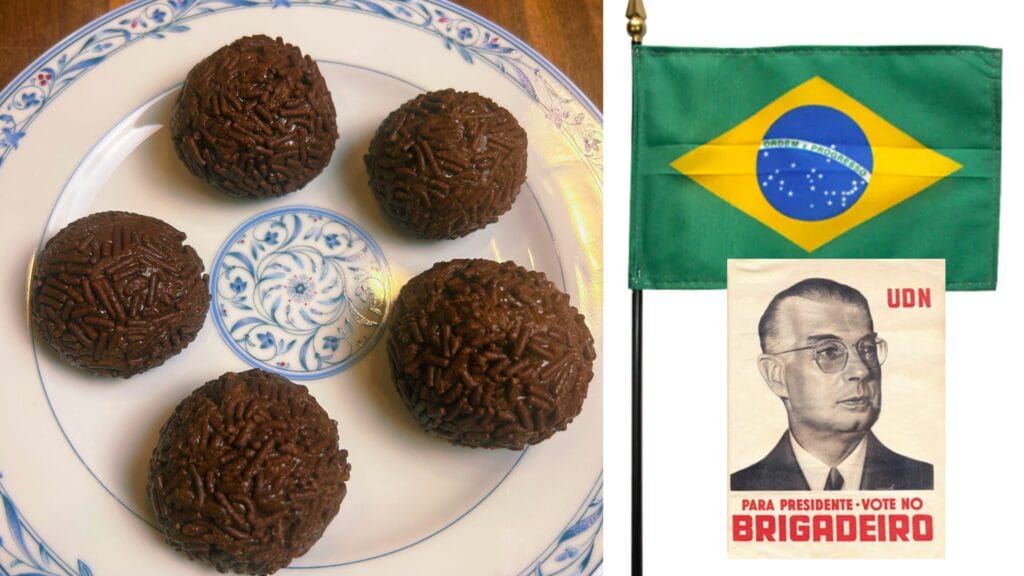
Luigi and Silvio Barbieri inherited their father Giuseppe’s distillery in Padua, established in 1891, and spent seven years developing a new liqueur that would capture the local aperitivo culture they saw developing around them. They debuted the result at the Padua International Fair in July 1919, an event that attracted international visitors and was specifically designed to showcase Italian food, travel and lifestyle innovation.
The liqueur they presented was genuinely unlike anything else available at the time. Its colour was a vivid, almost luminous orange. Its alcohol content was only 11 percent, dramatically lower than most spirits and liqueurs of the era, which made it the first genuinely low-alcohol aperitif on the Italian market. Its flavour came from a secret blend of 16 ingredients including bitter orange essence, gentian root, cinchona bark, the same quinine-containing bark that gives tonic water its distinctive bitterness, and Chinese rhubarb, with the majority of herbs and roots sourced from the Piedmont region.
Silvio Barbieri named it Aperol after the French word apéro, which he had encountered on a trip to France and considered the perfect name for a pre-dinner drink designed to stimulate the appetite. The name and the concept were right. The timing was slightly premature. Aperol was a genuine novelty in 1919 and found a loyal following in the cafés of Padua and the traditional bars of Venice, but it did not become a mass-market success immediately. Roberto Pasini, who wrote A Guide to Spritz in 2013, documented that in the early decades Aperol was somewhat affectionately known as the drink of the old salts and the old drunks, a neighbourhood aperitif rather than a fashionable one. The fashionable part came later.
The Original 1920s Spritz: Still Wine, Not Prosecco
In the cafés and bars of Venice and Padua in the 1920s, bartenders were combining the new Aperol with the Venetian spritz tradition in the way that made most sense to them locally. The Veneto is one of the great white wine regions of Italy, producing Soave, Pinot Grigio delle Venezie and other dry, crisp, unoaked wines that were the everyday drinking wines of the region. These were the wines available at every bar. These were the wines Venetian drinkers understood.
The early Aperol spritz in those Venetian and Paduan bars was therefore built on still white wine rather than sparkling wine. A measure of Aperol over ice, a larger measure of local still white wine, a splash of soda water for the essential fizz that gave the drink its name. The result is not what most people expect when they think of an Aperol Spritz. It is drier, more wine-forward, more complex and considerably less sweet than the prosecco version. The carbonation is subtle rather than dominant. The bitterness of the Aperol comes through more clearly because it is not being competed with by the sweetness and the bubbles of prosecco. It tastes like a proper aperitif rather than a refreshing summer cocktail, which is what it was designed to be.
The Web Food Culture archive, which has documented the history of the spritz in detail, confirms that the modern spritz with Aperol most probably dates to the early 1900s, specifically 1920 to 1930, when the original wine and water drink was enriched by the addition of Aperol bitter in the cities of Venice and Padua. The 1950s Aperol Spritz recipe with prosecco, the version that most people drink today, was a commercial formulation that reflected changing tastes and the growing availability of prosecco as a mass-market product.
The 1950s Transformation and the Road to Global Domination
The pivotal moment for Aperol came in the 1950s when two things happened simultaneously. The first Aperol television commercial aired on Italian television, giving the brand a mass-market presence it had never had before. And the recipe for what would become the modern Aperol Spritz was formalised, substituting prosecco for the still white wine of the original Venetian version and standardising the proportions into the formula that is now known globally.
The new recipe, three parts prosecco, two parts Aperol, one part soda water with ice and an orange slice, was more approachable to a broader audience than the still wine version. Prosecco was sweeter, bubblier and more immediately appealing than a dry Pinot Grigio. The drink became more festive, more visually striking with the bubbles rising through the vivid orange liquid, and easier to drink for people who did not grow up with the bitter aperitivo culture of the Veneto.
The International Bartenders Association formalised the recipe in 2003 under the name Spritz Veneziano, and again revised the official recognition in 2011. Campari Group, which had acquired Aperol in 2003, invested substantially in international marketing built around the tagline Together We Joy and a visual identity of vivid orange and golden summer light. The result was one of the most successful brand-building exercises in the history of the drinks industry. By the 2010s Aperol Spritz had moved from being a regional Italian aperitif to the defining cocktail of summer across Europe and increasingly globally. In 2012 thousands of Aperol fans gathered in Venice’s Piazza San Marco to set a Guinness World Record for the largest Aperol Spritz toast ever attempted.
The drink that Roberto Pasini called the drink of the old salts and the old drunks in the 1920s had become a global lifestyle symbol in less than a century. The story of how that happened is as interesting as the drink itself.
My Rating and Honest Assessment
The original still wine version is a revelation for anyone who has only ever drunk the prosecco version. The differences are immediate and significant. The prosecco version is sweeter, more effervescent and more immediately refreshing in a way that makes it easy to drink quickly and enjoy casually. The still wine version is drier, more bitter, more complex and more demanding in the sense that it asks you to pay attention to it rather than simply enjoy it.
The bitterness of the Aperol comes through much more clearly in the still wine version because the dry Soave or Pinot Grigio does not compete with it or soften it the way prosecco does. The result tastes authentically like what it was designed to be: an aperitif that stimulates the appetite and prepares the palate for a meal rather than a refreshing drink that exists independently of food. That distinction is the difference between the 1920s Venetian bar culture that produced this drink and the 2010s global marketing campaign that made it famous.
Both versions are good. The modern prosecco version is good in the way that something perfectly calibrated for maximum approachability is good. The original still wine version is good in the way that something that genuinely understands what it is trying to do is good. If you have only ever tried the prosecco version I would strongly encourage making this.
Rating: 8.9 / 10
The Recipe: The Original Paduan Aperol Spritz
The Original Paduan Aperol Spritz

Don’t lose this one.
I’ll email it to you so it’s waiting when you’re ready to cook.
Ingredients
Instructions
Notes
- Soave is available at most wine shops and many supermarkets. Look for a young, unoaked Soave Classico from the Verona hills. Avoid any Soave described as aged or barrel-fermented, which produces a richer, heavier style not suited to this preparation.
- The ratio of Aperol to wine is intentionally wine-forward in this version. The wine should be the dominant component with the Aperol adding bitterness and colour rather than sweetness and flavour. Adjust the ratio to taste but resist the temptation to add more Aperol than the recipe specifies. The original Venetian version was light and aperitif-appropriate, not a heavily Aperol-forward drink.
- Serve this before dinner, not instead of dinner. The still wine version is a genuine aperitif that will make whatever you eat afterward taste better. That is what it was designed to do and it does it very well.