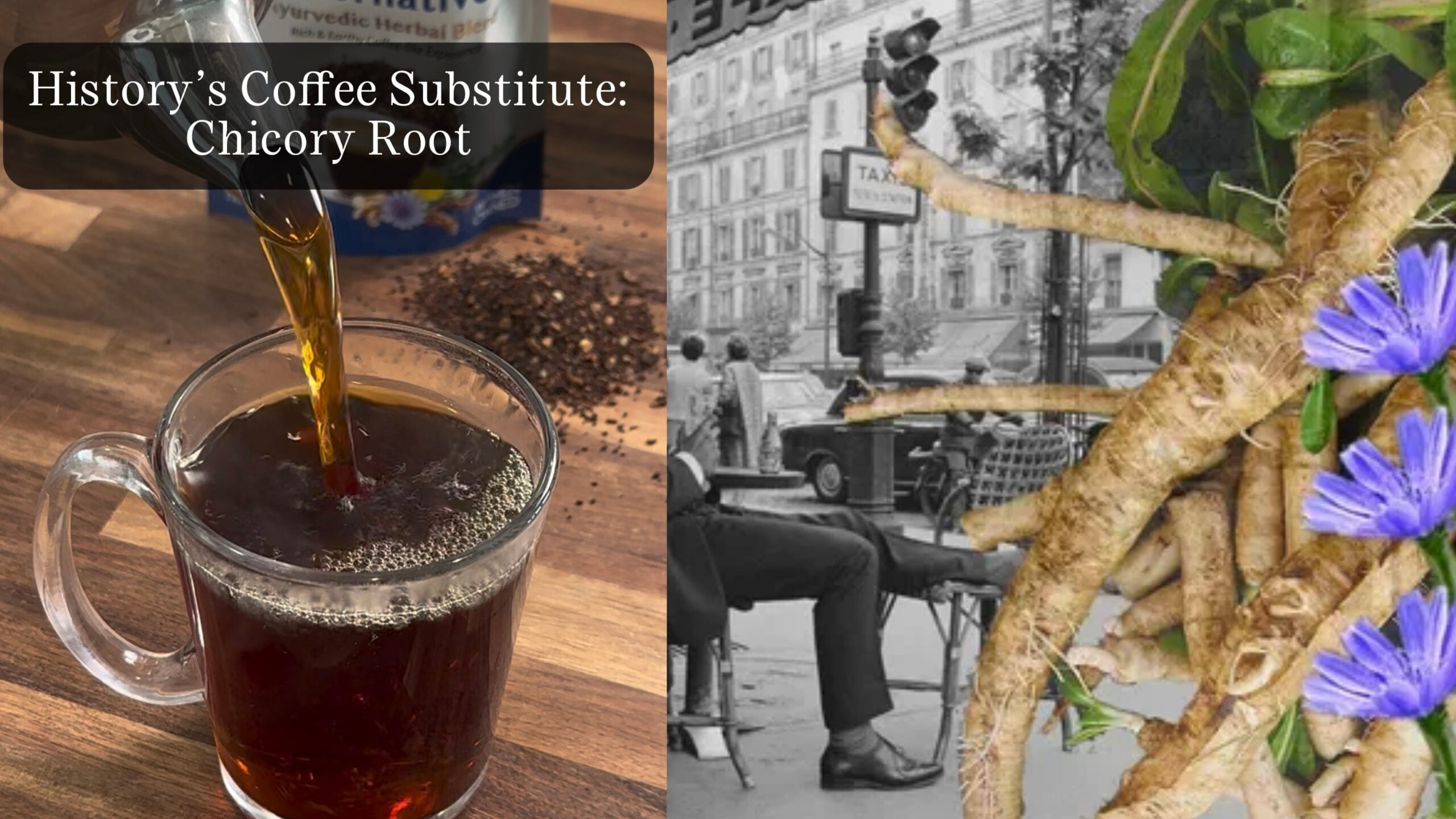
It was never meant to be a beverage anyone chose. It was meant to be the thing you drank when the real thing was unavailable, blockaded, rationed or simply gone. And yet here I am in 2026, having bought a chicory-dandelion blend on Amazon out of pure curiosity after using it for a German WWII ration episode, telling you that I genuinely enjoyed it. I rated it 8.2 out of 10. That is not a sentence I expected to write about a coffee substitute invented out of desperation.
If you want to try it yourself, this is the brand I used (not sponsored):
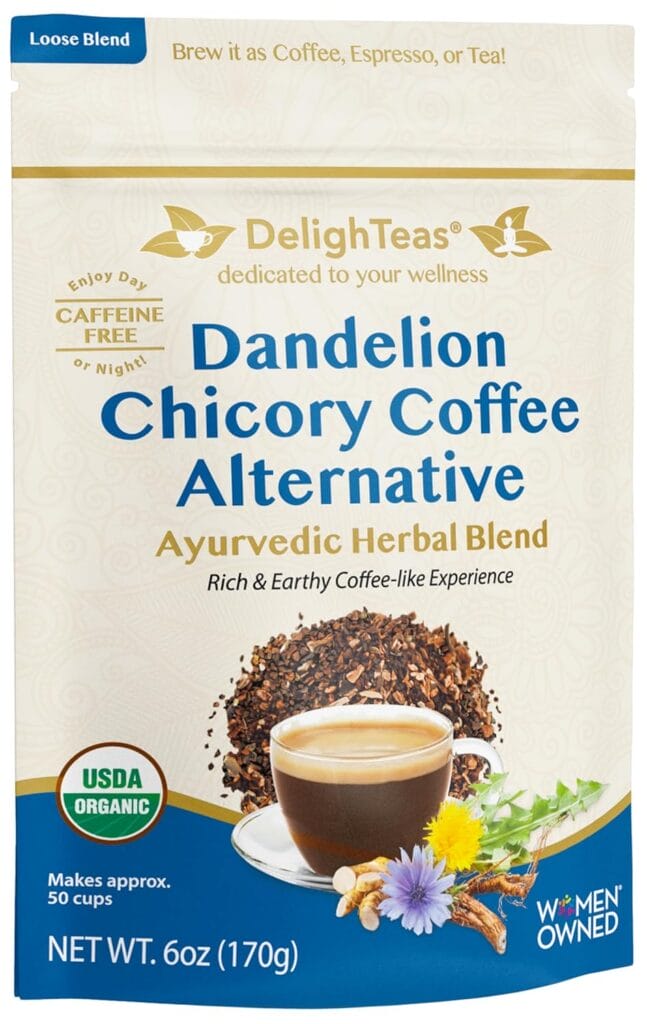
The history of chicory as a coffee replacement spans Napoleonic France, the American Civil War, both World Wars, and the entire institutional memory of New Orleans coffee culture. It is one of the most consistently re-invented food history objects across the last two and a half centuries. Here is the full story, followed by what it actually tastes like.
Napoleon’s Continental Blockade: Where Chicory Coffee Begins
During the Napoleonic Wars, the British naval blockade of continental Europe from 1806 onward drastically curtailed coffee imports to France, necessitating the use of roasted chicory root as a primary substitute to mimic the beverage’s flavour and appearance. This practice became institutionalised, with chicory production scaling up to meet demand amid the economic isolation enforced by the Continental System.
Next week
I cook these before I write them. Some of it never makes the post.
The failures, the source documents, the version that actually tasted good. That part goes out by email, and next week’s is already on the stove.
 Written and cooked by Donnie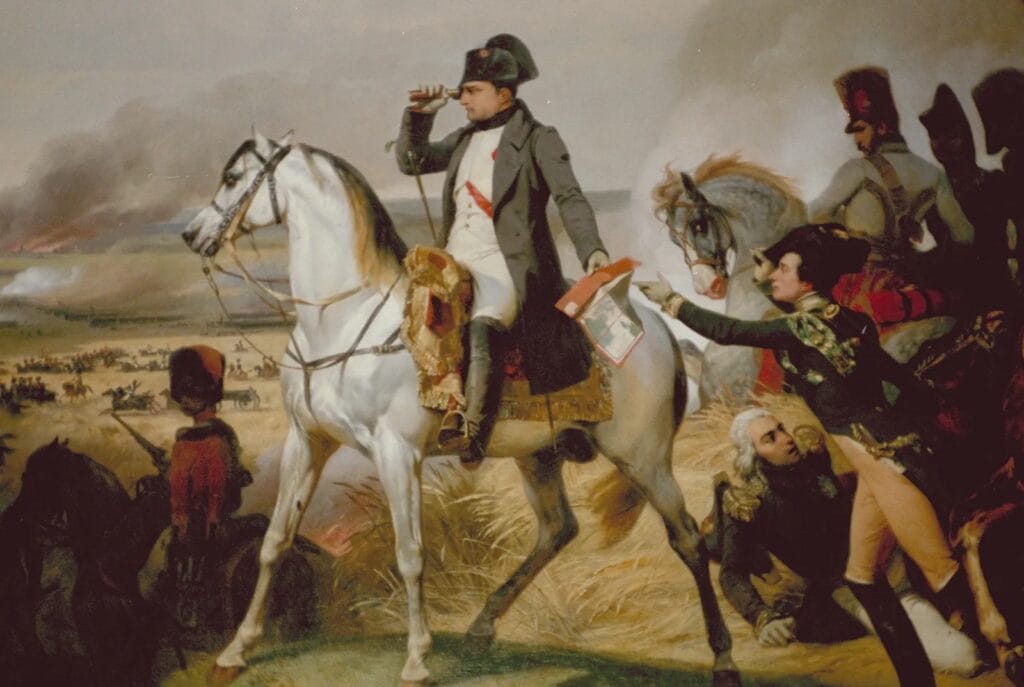
This is the documented origin point of chicory as a mass coffee substitute in European history. Napoleon’s own blockade strategy against Britain backfired in the form of a British counter-blockade that cut off French access to coffee, sugar and other colonial imports almost entirely. The French response was not to go without. It was to industrialise a substitute. Chicory root, cheap, easy to grow across the French countryside, and possessing a roasted bitterness that could approximate coffee’s flavour profile when prepared correctly, became a state-scale agricultural product almost overnight. Frederick the Great of Prussia had already been vehemently opposed to coffee consumption and instituted a state monopoly on coffee imports in 1766, which meant that by the time Napoleon’s blockade hit decades later, continental Europe already had some institutional memory of managing coffee scarcity through state intervention. Chicory simply became the most successful and most permanent solution to a problem that French and German authorities had been wrestling with for generations.
The American Civil War: “No Coffee” Becomes a Documented Crisis
The richest documented record of chicory coffee in wartime comes from the American Civil War, and the sourcing here is extraordinary. One Civil War historian noted that the word coffee was used more often in Civil War soldiers’ diaries and letters home than words like war, slavery, or Lincoln. Coffee was not a minor comfort. It was close to the central preoccupation of the average soldier’s daily existence on both sides.
Union soldiers remarked on how often they made coffee, and Confederate soldiers commented on the lack of coffee, discussing and inventing recipes with odd substitutions in order to simulate the taste. Insipid substitutions included whatever could be found and roasted in the field, including chicory, acorns, dandelions, rye, peanuts, and peas. Trade continued throughout the North, with the allotted rations including 36 pounds of coffee a year for every Union soldier. The Union had coffee in genuine abundance. Confederate rations often omitted coffee entirely after 1862, with soldiers reporting desperation for the stimulant. One documented account reads: We are reduced to quarter rations and no coffee.

Civil War historians document that some of the most common substitutes were acorns, sweet potatoes, okra seeds, persimmon seeds, barley, rye, wheat, corn meal, field peas, cotton seeds, chicory, garden peas, and beets, with these ingredients first boiled, dried, and roasted or charred over an open flame. Chicory specifically became the substitute that outlasted all the others in cultural memory because of one specific city. Chicory became popular in New Orleans during and following the Civil War when supply shortages forced the Confederate Army to ration coffee. Before the war, New Orleans was the second-largest importer of coffee in the United States. When the Union blockaded Southern ports the city immediately turned to roasted chicory, a substance that had already been used as a coffee substitute in Europe for 200 years before it ever reached Louisiana.
After the blockade was lifted and the Union restored, most places went back to using pure coffee in their morning cup. One notable exception is of course New Orleans, where people continued to doctor their coffee with chicory along with cream and sugar. Coffee drinking became embedded in the culture of that city, and the coffee break was an essential part of all business affairs. What was invented purely out of wartime desperation became, in one American city, a permanent and beloved culinary tradition that exists entirely independently of the scarcity that produced it.
World War II: The Same Crisis, A New Continent
By the time the Second World War created another global coffee supply crisis, the chicory solution was already a documented, century-old playbook. As Confederate troops had once done, Americans pursued alternatives like brewed chicory or soybeans during WWII rationing, though most Americans were turning to commercially available products like Postum, a grain-based coffee-like beverage developed by C.W. Post. The American military itself prioritised real coffee for its troops wherever possible, but the home front, facing rationing and supply prioritisation toward the war effort, turned back to the same Civil War-era substitutes their great-grandparents had relied upon eighty years earlier.

In occupied and wartime Europe, the situation was considerably more severe and chicory coffee was not a curiosity but a daily necessity for entire populations cut off from coffee imports by blockade, occupation and total war economics. This is the exact context I encountered while researching the German WWII ration episode that led me to this chicory-dandelion blend in the first place. Ersatzkaffee, literally substitute coffee, made from roasted chicory, acorns, barley and other roasted roots and grains, became the default daily drink for millions of German civilians and soldiers throughout the war.
Tasting and Review: A Genuinely Pleasant Surprise
I assumed, based on the consistent historical framing of chicory as a desperate, inferior substitute that people drank because they had no other choice, that I would find it unpleasant or at best tolerable. That was not my experience at all.
The caffeine content is the first and most important practical difference to understand. Chicory root contains no caffeine whatsoever. A pure chicory brew, or a chicory-dandelion blend like the one I used, will give you none of the stimulant effect that coffee is consumed for. This is precisely why Confederate soldiers, German wartime civilians and Napoleonic-era French drinkers were disappointed by it as a genuine coffee replacement even when they appreciated the flavour.
The taste genuinely surprised me. It is noticeably smoother than regular coffee, with less of the sharp acidity that black coffee has and a deeper, more rounded roasted flavour that sits closer to a dark roasted grain or a very mild dark chocolate than to bitter coffee. The dandelion in my blend added a faint earthy, slightly vegetal note underneath the chicory’s roasted sweetness that I did not expect to enjoy as much as I did. There is none of the harsh aftertaste that a cheap or over-extracted coffee can produce. It is a genuinely comforting, smooth drink.
Rating: 8.2 / 10
How to Brew Chicory Coffee Yourself

Chicory Coffee

Don’t lose this one.
I’ll email it to you so it’s waiting when you’re ready to cook.
Ingredients
Instructions
Notes
- If you want the most historically accurate Civil War-era version, roast raw chicory root pieces in a dry pan over low heat until dark brown and fragrant, then grind coarsely before brewing.
- For the closest approximation to what was served in New Orleans during and after the Civil War, brew a 50/50 blend of real coffee and chicory rather than pure chicory. This is also the modern New Orleans café au lait standard.